Market & Legacy
The most expensive name in art — and what the money does and doesn't prove.
The auction records
Picasso’s market is a history of the art market itself:
- Boy with a Pipe (1905) — Sotheby’s, May 2004: $104.2 million, then the highest price ever paid for a painting at auction.
- Nude, Green Leaves and Bust (1932) — Christie’s, May 2010: $106.5 million, a new record.
- Les Femmes d’Alger (Version ‘O’) (1955) — Christie’s, May 2015: $179.4 million, then the highest auction price for any artwork.
Each record fell to a later one; the trajectory says as much about money’s migration into art as about Picasso. (Figures are reported hammer results; see Sources.)
The estate
He died with an enormous, un-catalogued estate — thousands of paintings, drawings, prints, and sculptures. The French state accepted works in lieu of inheritance tax (the dation), forming the core of the Musée national Picasso-Paris (opened 1985 in the Hôtel Salé). The family — children, grandchildren, Jacqueline’s heirs — divided the rest over years of negotiation.
The museums
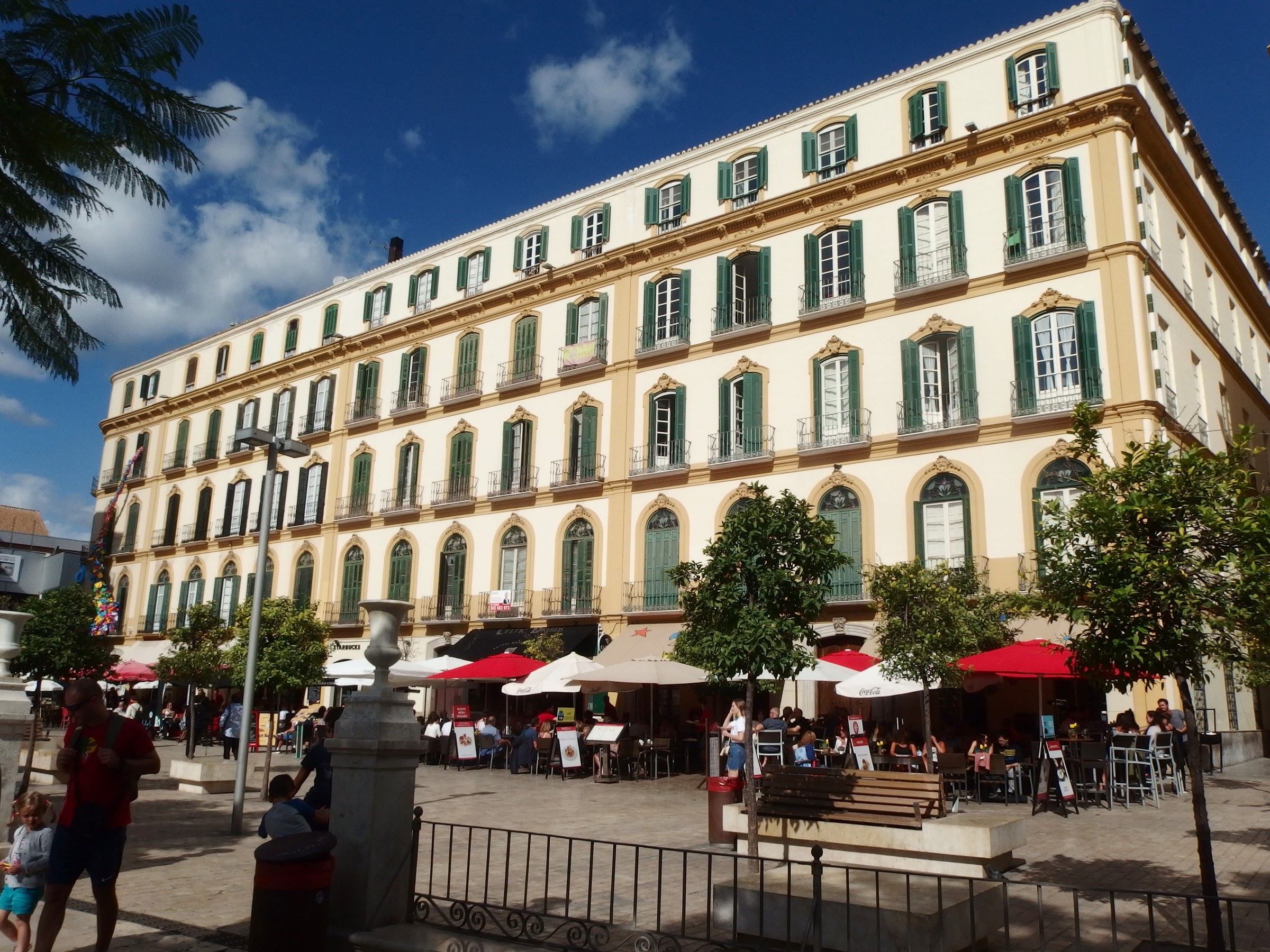
The Musée Picasso-Paris holds the world’s largest public collection. The Museu Picasso in Barcelona (opened 1963, largely from Jaime Sabartés’s donation) owns the great early holdings — the juvenilia, the Blue Period roots. Málaga’s Casa Natal and Museo Picasso Málaga anchor the birthplace. And Guernica presides over the Reina Sofía in Madrid.
The legacy, honestly
“Most famous artist of the twentieth century” is a defensible claim and an unprovable one. What’s provable: no artist of the century changed the medium’s possibilities more often, or left a larger body of work, or remains more argued about. The market prices are the froth; the legacy is the water underneath — every art student still learns to see through eyes he opened.
Source notes
Auction figures are reported results from Sotheby’s and Christie’s (May 2004, May 2010, May 2015). Museum facts follow the institutions’ own records. See Sources.