Guernica
May–June 1937 — painted in fury, in black and white, at the scale of a wall.
The bombing
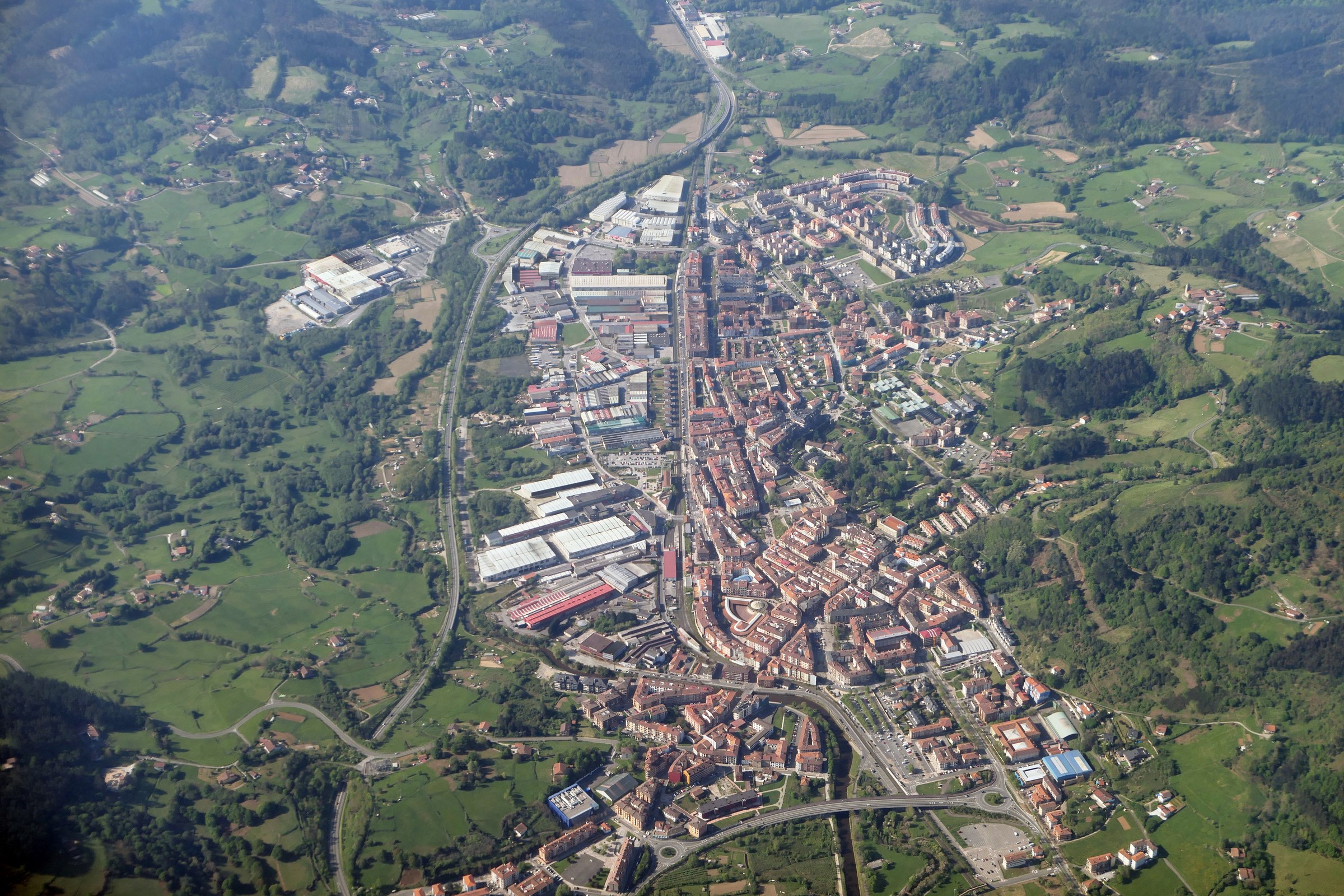
On Monday, 26 April 1937 — market day — aircraft of the German Condor Legion and the Italian Aviazione Legionaria, acting in support of Franco’s Nationalists in the Spanish Civil War, bombed the Basque town of Guernica for over three hours. The town had no military significance; it had symbolic weight as the historic seat of Basque liberties. Hundreds of civilians were killed — the exact number remains disputed; Franco’s regime suppressed reporting for decades.
Picasso, in Paris, read the reports and saw the photographs. He was already commissioned to make a mural for the Spanish Republic’s pavilion at the Paris Exposition Internationale. He had his subject.
The painting
Working in his studio at 7 rue des Grands-Augustins through May and into early June 1937, Picasso painted at mural scale — 349.3 × 776.6 cm — in stark black, white, and gray, like newsprint, like a photograph of a crime. The photographer Dora Maar documented the painting’s progress in a famous series of photographs, stage by stage.
The imagery is a lexicon of suffering, drawn from Picasso’s private mythology and the Spanish tradition:
- The bull — Spain itself, or brute force; Picasso never fixed its meaning, and said so.
- The horse — the suffering people, screaming, pierced.
- The fallen warrior — a dismembered soldier clutching a broken sword from which a flower grows.
- The mother with her dead child — the pietà motif, lifted from religious art into a secular scream.
- The lamp / the eye — witness, exposure, the electric glare of modern war.
- The burning figure — arms raised, trapped in a burning building.
Picasso refused single interpretations. The painting’s power is that it does not explain the bombing — it refuses to let you look away from it.
“No, you did.”
A story, widely reported by witnesses: during the Occupation, a German officer visiting Picasso’s studio saw a photograph of Guernica and asked, “Did you do that?” Picasso replied: “No, you did.” It is reported speech from the 1940s, not a documented transcript — but it is consistent with everything documented about the man.
After 1937
Guernica toured internationally to raise funds for the Spanish Republic, then was entrusted to New York’s Museum of Modern Art in 1939. Picasso stipulated it should return to Spain only under democratic rule; it was transferred to Madrid in September 1981 and now hangs in the Museo Reina Sofía. Its full journey — tour, exile, homecoming — is traced on Guernica’s Journey.
Source notes
The bombing date (26 April 1937) and the perpetrators are the documented historical record. Dimensions and provenance follow the Museo Reina Sofía. The “No, you did” anecdote is reported speech — see Myth vs. Record. See Sources.