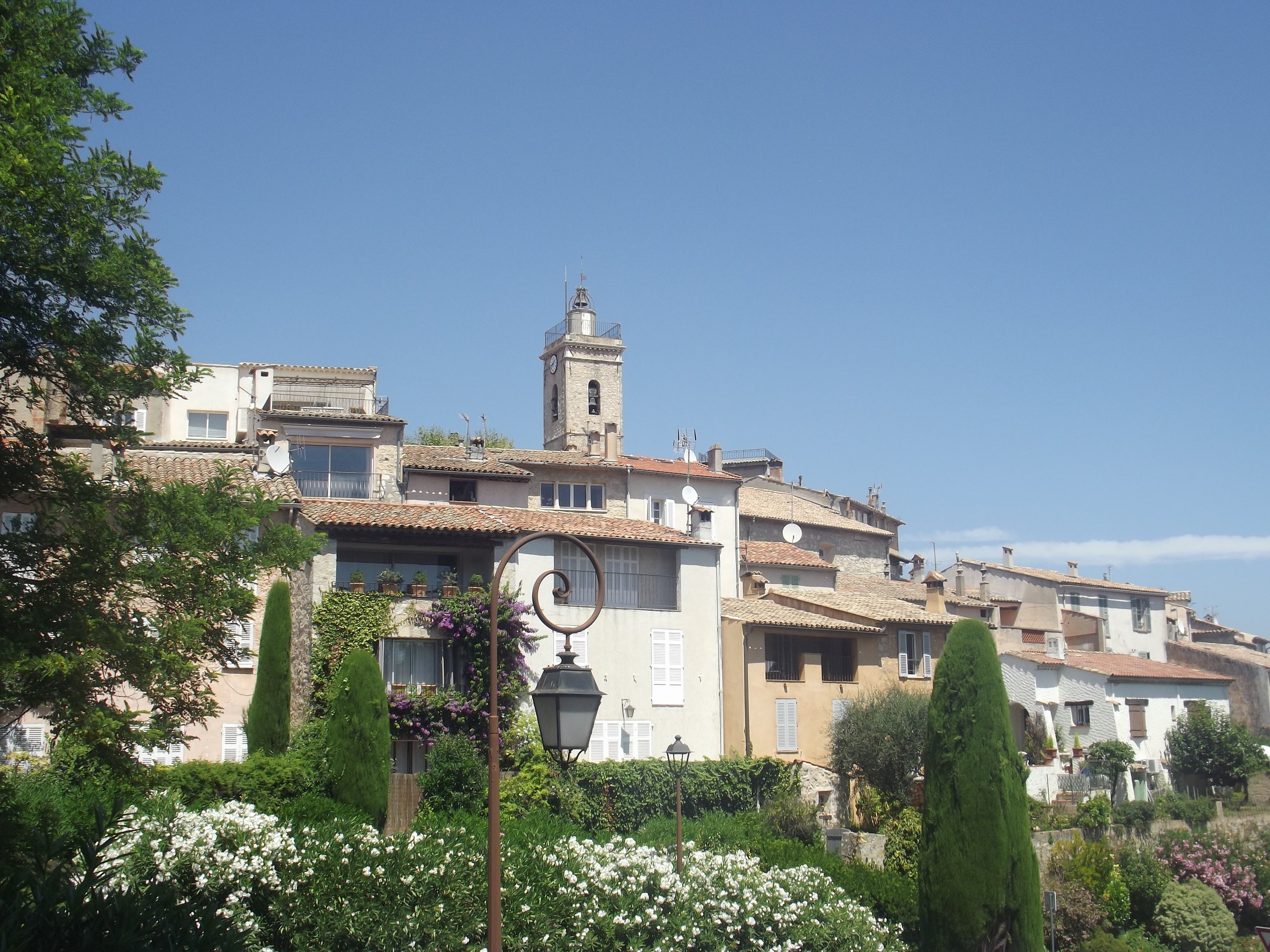
Late Years — Mougins
1961–1973 — an old man painting like the building was on fire.
Notre-Dame-de-Vie
In 1961 Picasso married Jacqueline Roque and withdrew to Notre-Dame-de-Vie, a farmhouse above Mougins in the Alpes-Maritimes. The world came to him or didn’t come at all; Jacqueline managed the seclusion with formidable efficiency. The studio became the whole world.
The dialogue with the dead
The last decade’s great project was repainting the masters: dozens of variations on Velázquez’s Las Meninas (1957, just before the move, but the spirit of the project), Manet’s Déjeuner sur l’herbe, Delacroix’s Women of Algiers, Cranach’s Venus. Erotic, grotesque, virtuosic — an old lion wrestling the ancestors to prove he was still stronger. Critics who had filed him under “late Picasso, sad decline” were forced, painting by painting, to retract.
The pace
Hundreds of paintings, drawings, and prints a year, into his nineties. The work of 1970–72 — the musketeers, the couples, the self-portraits staring down death — has the urgency of a man who knew the clock and refused to negotiate with it.
8 April 1973
Picasso died at Mougins on 8 April 1973, aged 91, of a heart attack — reportedly after hosting friends for dinner the night before, still working, still planning. He was buried at the Château de Vauvenargues, beneath a sculpture garden of his own bronzes.
Source notes
Dates follow the standard biographical record. See Sources.