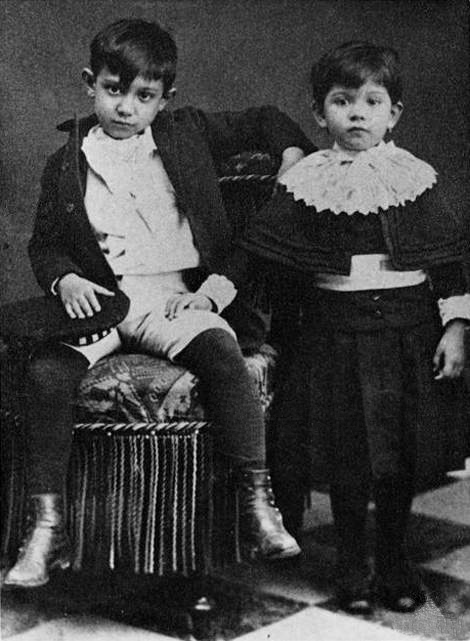
Málaga Childhood
1881–1891 — where the hand was trained before the eye learned to disobey.
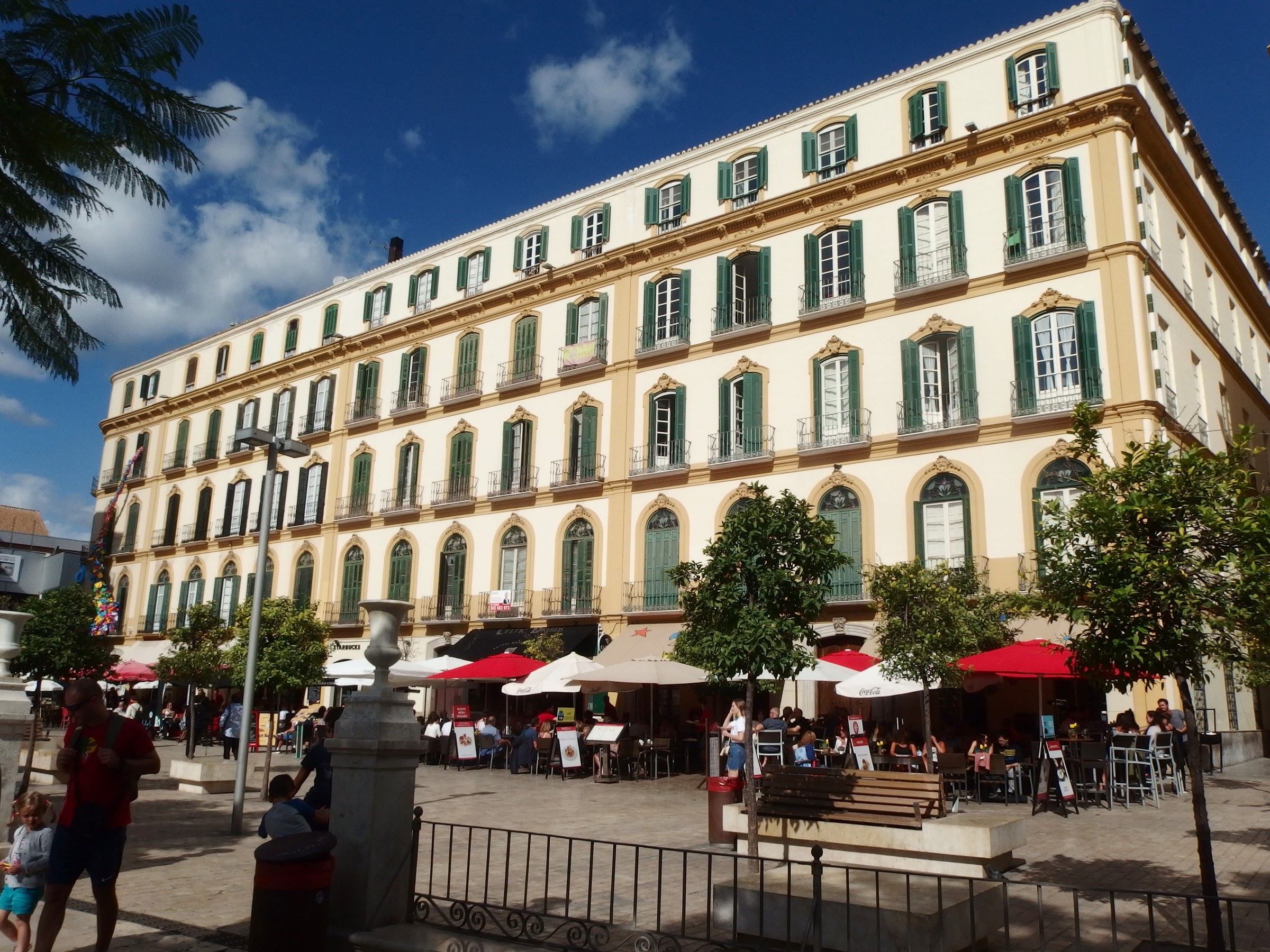
The house on the Plaza de la Merced
Picasso was born at 36 Plaza de la Merced, Málaga — today the Casa Natal, his birthplace museum. His father José Ruiz y Blasco taught drawing at the local art school; his mother María Picasso y López kept the house. Two sisters followed: Dolores (“Lola”), born 1884, and Concepción (“Conchita”), born 1887.
A father’s curriculum
José Ruiz recognized the boy’s gift almost immediately and trained him the academic way: hours of drawing from plaster casts, copying engravings, rendering pigeons — the father’s specialty, and the son’s first obsession. Family legend says the elder Ruiz handed the boy his brushes and never painted again; like most family legends, it’s unverifiable (see Myth vs. Record). What’s documented is the rigor: by ten, Picasso drew with a discipline most adults never reach.
The name
He was baptized Pablo Diego José Francisco de Paula… Ruiz y Picasso — and early works are signed “Ruiz.” The switch to his mother’s surname, Picasso — rarer, stranger, more memorable — was a young man’s branding decision and a quiet declaration of independence from his father.
A Coruña and the move east
In 1891 José took a post in A Coruña, Galicia, and the family followed. The grey northern light, the art school classes, the teenage sketchbooks full of caricatures and copies — Málaga was behind him by age ten. But the Andalusian imprint stayed: the bullfights he watched as a boy would return as the Minotaur, as Guernica’s bull, as a lifelong iconography.
Source notes
Birth date, address, and family details follow the standard biographical record (Richardson; Musée Picasso-Paris). See Sources.