People
The family, the marshals, the ministers, and the enemies — the people around Napoleon.
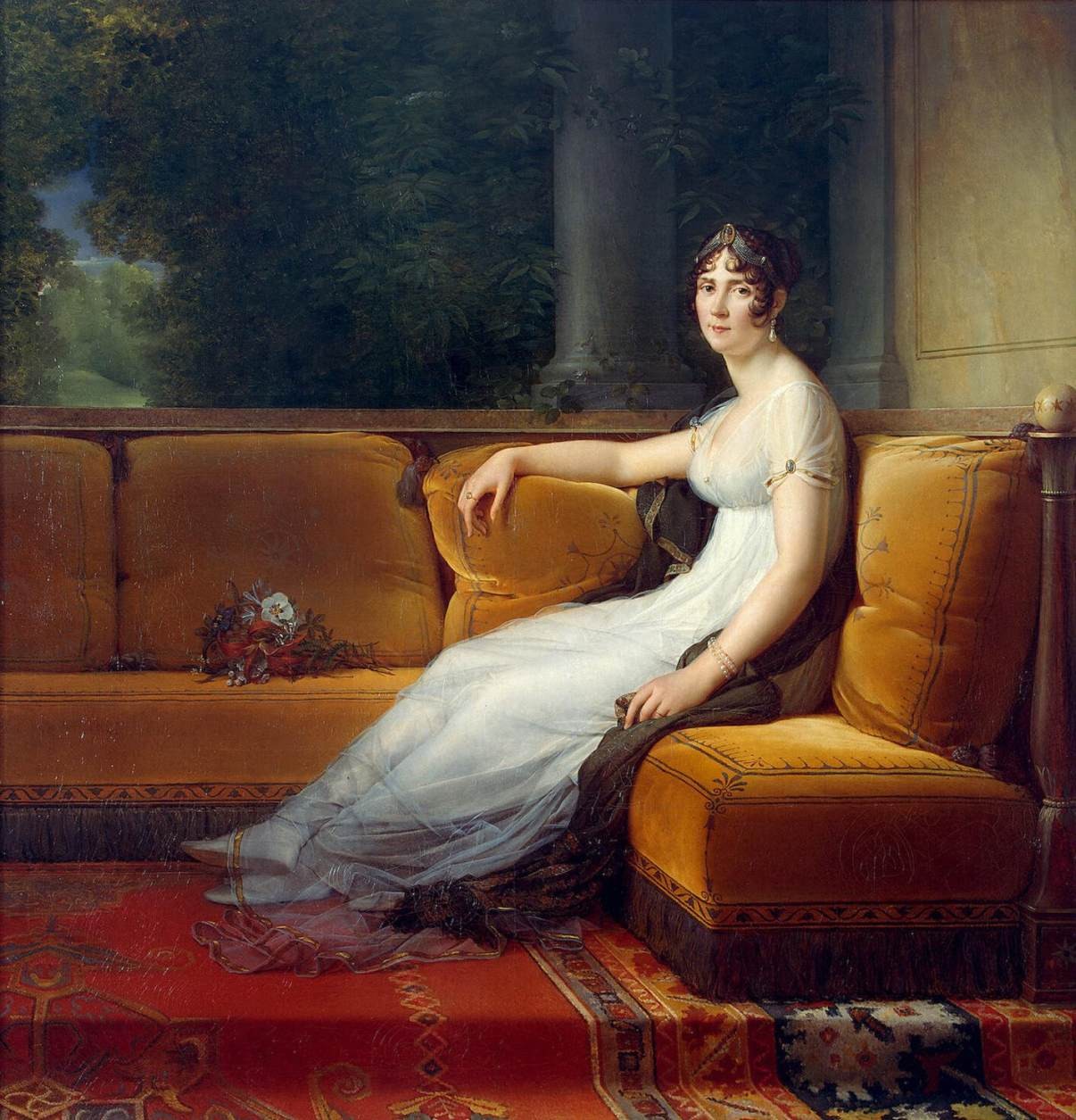
Joséphine de Beauharnais (1763–1814)
His first wife and the great love of his early life — unreciprocated in the measure he wanted. Born Marie-Josèphe-Rose Tascher in Martinique, widowed by the guillotine in 1794 (her first husband, Alexandre de Beauharnais, was executed during the Terror), she married the unknown General Bonaparte on 9 March 1796. Her infidelities during the Italian campaign tormented him; his letters from 1796 are the most revealing documents he ever wrote. She became Empress in 1804 and was the polished social center of the new court. Unable to give him an heir, she accepted the annulment in January 1810 with dignity. She died at Malmaison in 1814, weeks before his first abdication; he was reportedly devastated by the news on Elba.
Marie Louise of Austria (1791–1847)
His second wife — an 18-year-old Habsburg archduchess married by proxy in 1810 to seal the Franco-Austrian alliance. The marriage was, by the standards of dynastic politics, a success: she bore him a son, the King of Rome, on 20 March 1811. She did not follow him into exile — after 1814 she ruled the Duchy of Parma and never saw him again. Their son died young in Vienna in 1832.
Letizia Bonaparte (1750–1836)
His mother — “Madame Mère.” Formidable, frugal, and disapproving; she reportedly set aside money against the day her son’s fortunes collapsed, and she was proved right twice. She survived him by fifteen years, dying in Rome.
Joseph Bonaparte (1768–1844)
The elder brother — the one Napoleon was supposed to defer to and never did. Made King of Naples (1806) and then King of Spain (1808), where the Peninsular War made his throne a fiction maintained by French bayonets. After 1815 he lived in America as the Count de Survilliers. Their correspondence is one of the richest sources on Napoleon’s private thinking.
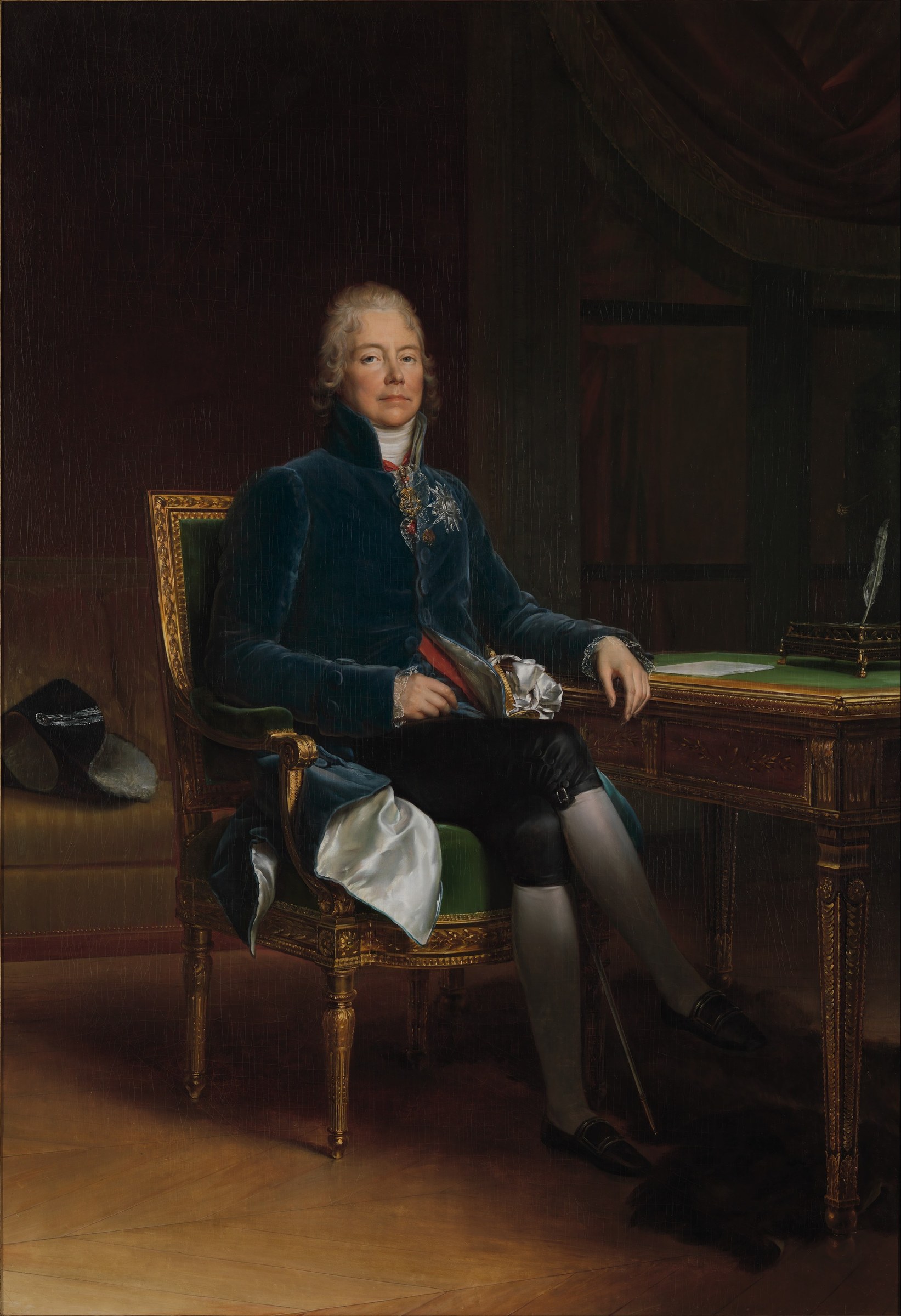
Charles-Maurice de Talleyrand (1754–1838)
The foreign minister who served — and betrayed — every regime from the Revolution to the Restoration. A bishop turned revolutionary turned Napoleon’s diplomat, he negotiated the treaties that built the Empire and then, from about 1807, worked quietly against it, taking bribes from Napoleon’s enemies while drawing his salary. At the Congress of Vienna (1814–15) he secured France a surprisingly lenient peace. Napoleon called him “a shit in a silk stocking” — reported, not documented. The judgment of history is less colorful: the most talented diplomat of the age, and the least loyal man in it.
Joseph Fouché (1759–1820)
The police minister — Talleyrand’s dark twin. A former Terrorist who voted for the king’s death, he built Napoleon’s surveillance state and then intrigued against Napoleon with Talleyrand, with the royalists, and with anyone else useful. Napoleon kept him because he was effective and dismissed him when he became dangerous, twice. The archetype of the survivor.
Louis-Alexandre Berthier (1753–1815)
The chief of staff — the indispensable, unglamorous genius of the Napoleonic staff system. Berthier turned Napoleon’s often scribbled, contradictory orders into precise movements for hundreds of thousands of men; without him the Grande Armée’s famous marches would have been impossible. Made Prince of Neuchâtel and Wagram. He died in 1815, falling from a window in Bamberg — accident, suicide, or murder are all alleged; the circumstances were never clarified.
Louis-Nicolas Davout (1770–1823)
The best of the marshals — cold, exact, undefeated. At Auerstedt in 1806 his single corps of 26,000 destroyed the main Prussian army of 63,000 while Napoleon, miles away, was winning the lesser battle of Jena and initially refused to believe it. Minister of War during the Hundred Days. He never intrigued, never failed, and was never quite forgiven for being right.
Michel Ney (1769–1815)
“The bravest of the brave” — the marshal of the rearguard in Russia, reportedly the last Frenchman to leave Russian soil, and the commander of the doomed cavalry charges at Waterloo. He rallied to Napoleon in 1815 after promising Louis XVIII to bring him back “in an iron cage.” After Waterloo the Bourbons had him shot for treason, despite Wellington’s intercession. His execution made him the martyr of the Napoleonic legend.
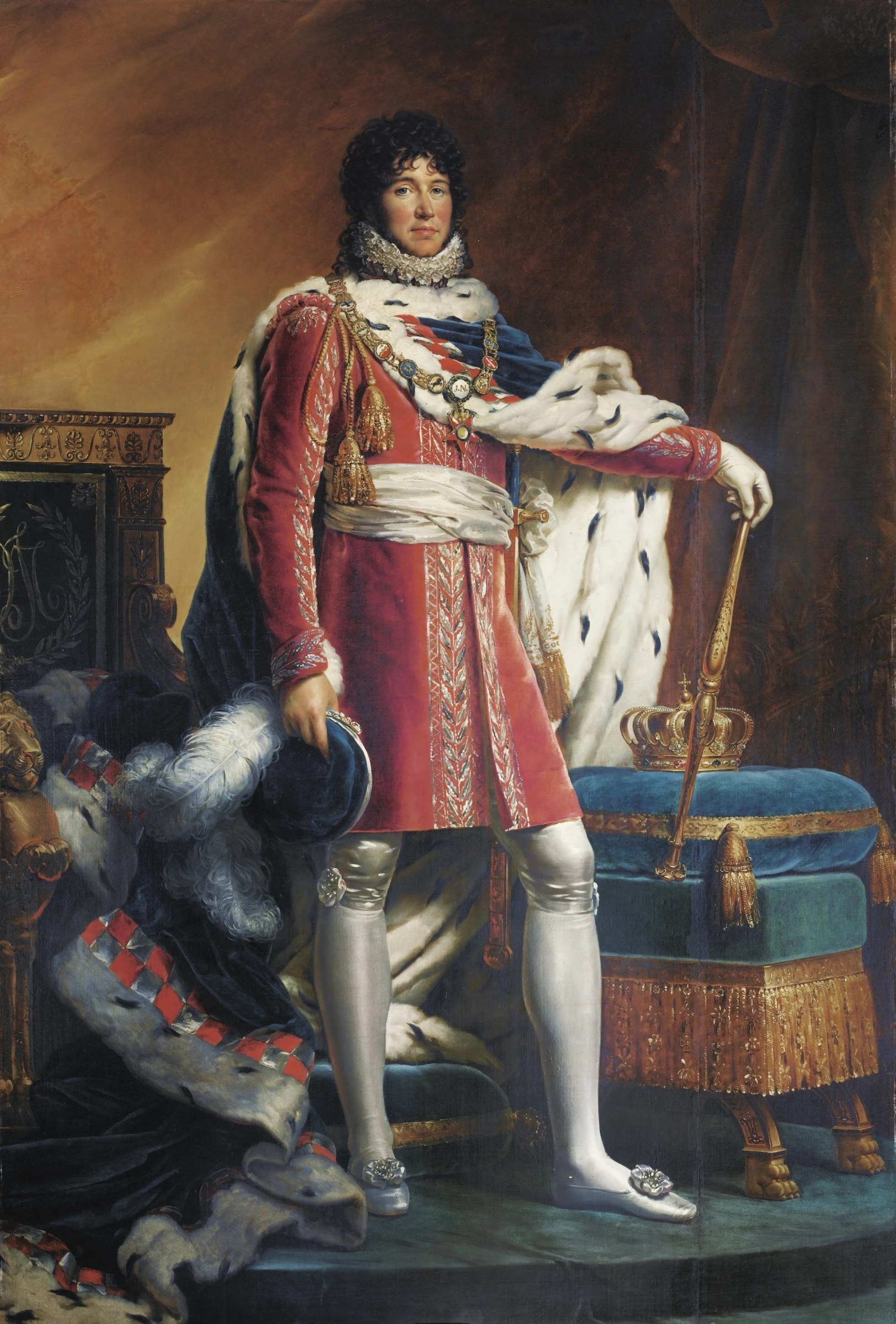
Joachim Murat (1767–1815)
The cavalry commander — flamboyant, fearless, magnificent in uniforms of his own design. Brother-in-law (he married Caroline Bonaparte) and King of Naples from 1808. He abandoned Napoleon in 1813–14 to save his throne, then tried to retake it after Waterloo with a quixotic landing in Calabria; he was captured and shot by firing squad in October 1815.
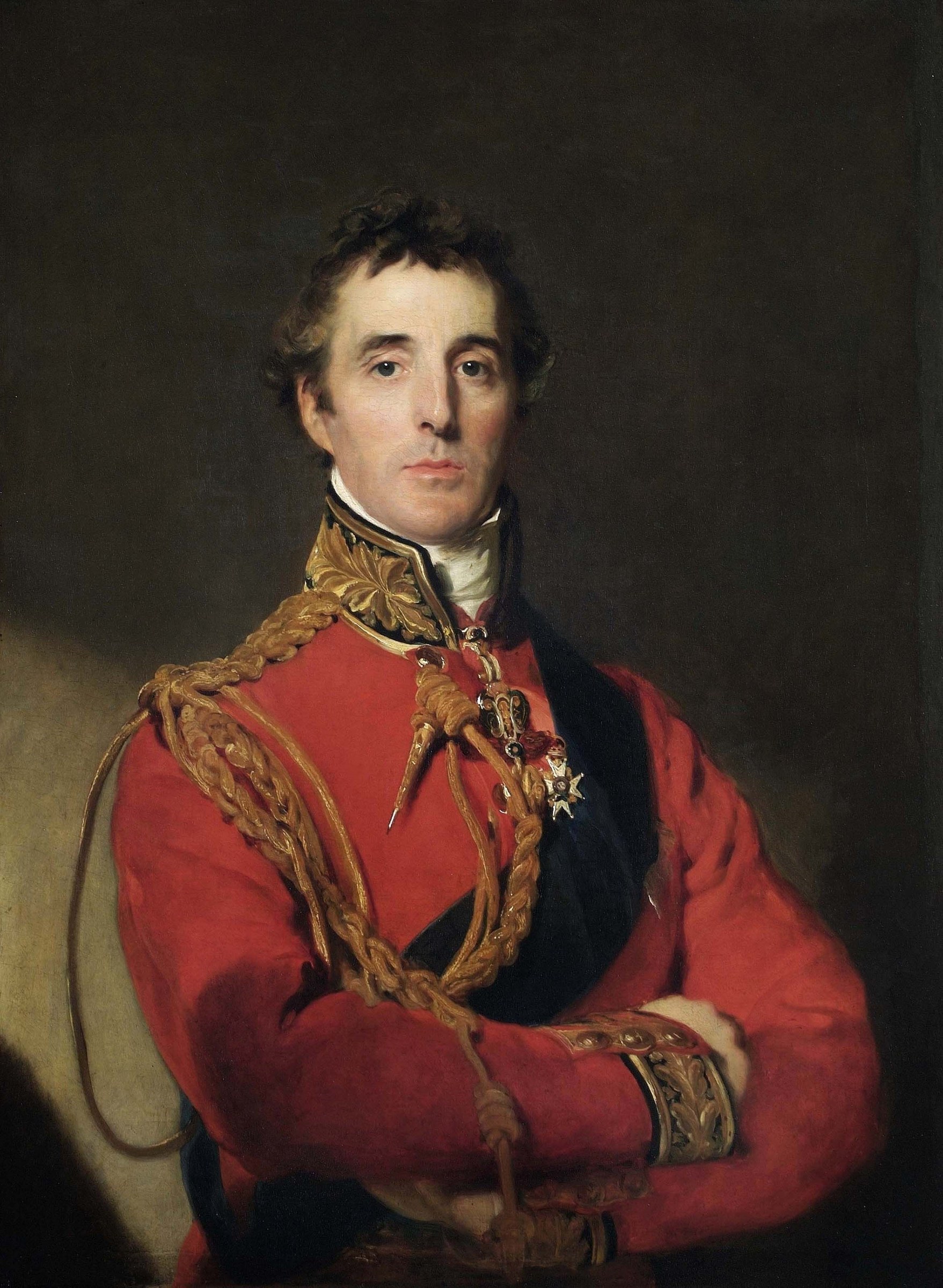
Arthur Wellesley, Duke of Wellington (1769–1869)
The adversary — born the same year as Napoleon, the man who ended him. A methodical, defensive commander who had learned his trade in India and the Peninsula, Wellington never lost a major battle. In the Peninsular War he drove the French out of Spain; at Waterloo, with Blücher’s Prussians arriving on the French flank, he broke the Armée du Nord. He later called Waterloo “the nearest-run thing you ever saw” — reported. He lived to 83, became prime minister, and spent his old age as the living embodiment of the victors’ verdict.
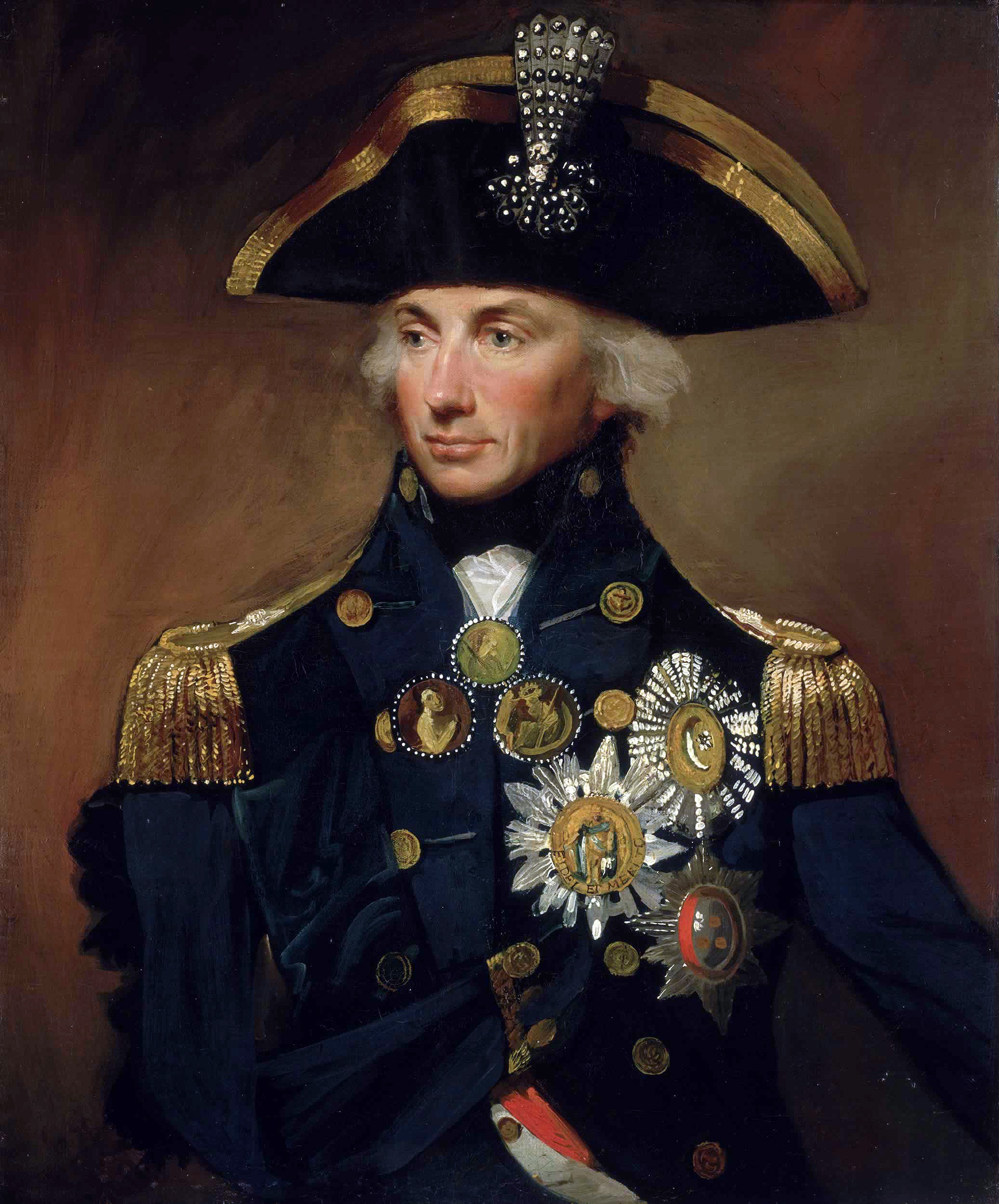
Horatio Nelson (1758–1805)
The other adversary — the admiral who made Napoleon’s empire a continental one. Nelson destroyed the French fleet at the Nile (1798), stranding the Army of Egypt, and then destroyed the Franco-Spanish fleet at Trafalgar (1805), where he was killed. He and Napoleon never met; between them they divided the world into sea and land. Napoleon’s invasion plans for Britain died with the French fleet at Trafalgar.
Alexander I of Russia (1777–1825)
The tsar — Napoleon’s admirer, ally, and nemesis. At Tilsit (1807) the two emperors embraced on a raft in the Niemen and divided Europe between them; Alexander was genuinely fascinated by Napoleon. But the Continental System strangled Russia’s economy, and in 1812 Alexander refused to yield — retreating, burning Moscow, and letting winter and distance destroy the Grande Armée. In 1814 he entered Paris at the head of the coalition. The relationship is the tragedy of the Napoleonic age in miniature: admiration curdling into annihilation.
Klemens von Metternich (1773–1859)
The Austrian foreign minister who outlasted Napoleon and designed the peace that followed him. Metternich negotiated Austria’s marriage alliance with Napoleon (Marie Louise was his emperor’s daughter) while preparing Austria’s defection; in 1813 he brought Austria into the coalition that destroyed the Empire. At the Congress of Vienna he built the conservative order that kept Europe’s peace — and suppressed its liberties — for a generation. Napoleon’s most patient enemy.
Source notes
- Portraits: Gérard’s Joséphine (1801), Talleyrand (1808), and Murat; Lawrence’s Wellington; Abbott’s Nelson — all contemporary images, captioned as official or commercial portraits rather than neutral records. Provenance: the image credits on this page.
- Biographical facts (dates, offices, marriages) are documented from standard references; character judgments follow the modern biographical consensus (see Sources) and are phrased as judgments, not facts.
- Anecdotes: Talleyrand’s “silk stocking” insult and Wellington’s “nearest-run thing” are reported remarks, labeled as such inline. Berthier’s death is genuinely unexplained — the page does not pick a theory.
- Family details (Letizia’s frugality, Joseph’s American exile) are reported in the standard biographies; where memoirs are the only source, the text says so.