Reconstruction — What Lincoln Actually Planned
He planned the peace for four years and lived eleven days into it. What the record shows — and where honest history stops.
What he did
Lincoln thought about Reconstruction from the war’s first year, and his record is concrete:
- December 8, 1863 — the Proclamation of Amnesty and Reconstruction (“Ten Percent Plan”). A seceded state could form a loyal government when 10% of its 1860 voters swore allegiance and accepted emancipation. Full pardon for most Confederates (excluding high officials and war criminals). Louisiana, Arkansas, and Tennessee formed such governments under it.
- July 1864 — the Wade-Davis pocket veto. Congress’s Wade-Davis Bill demanded harsher terms: a majority (not 10%) must swear an “ironclad oath” of past loyalty, and slavery’s abolition entrenched before readmission. Lincoln pocket-vetoed it — refusing to be “inflexibly committed to any single plan,” as he put it — infuriating the Radicals.
- January 1865 — the Thirteenth Amendment. Lincoln lobbied Congress personally for the votes to pass abolition (the subject of endless retellings; the vote-buying details are debated, the lobbying is not).
- March 1865 — the Freedmen’s Bureau. He signed the bill creating the agency for formerly enslaved people, weeks before his death.
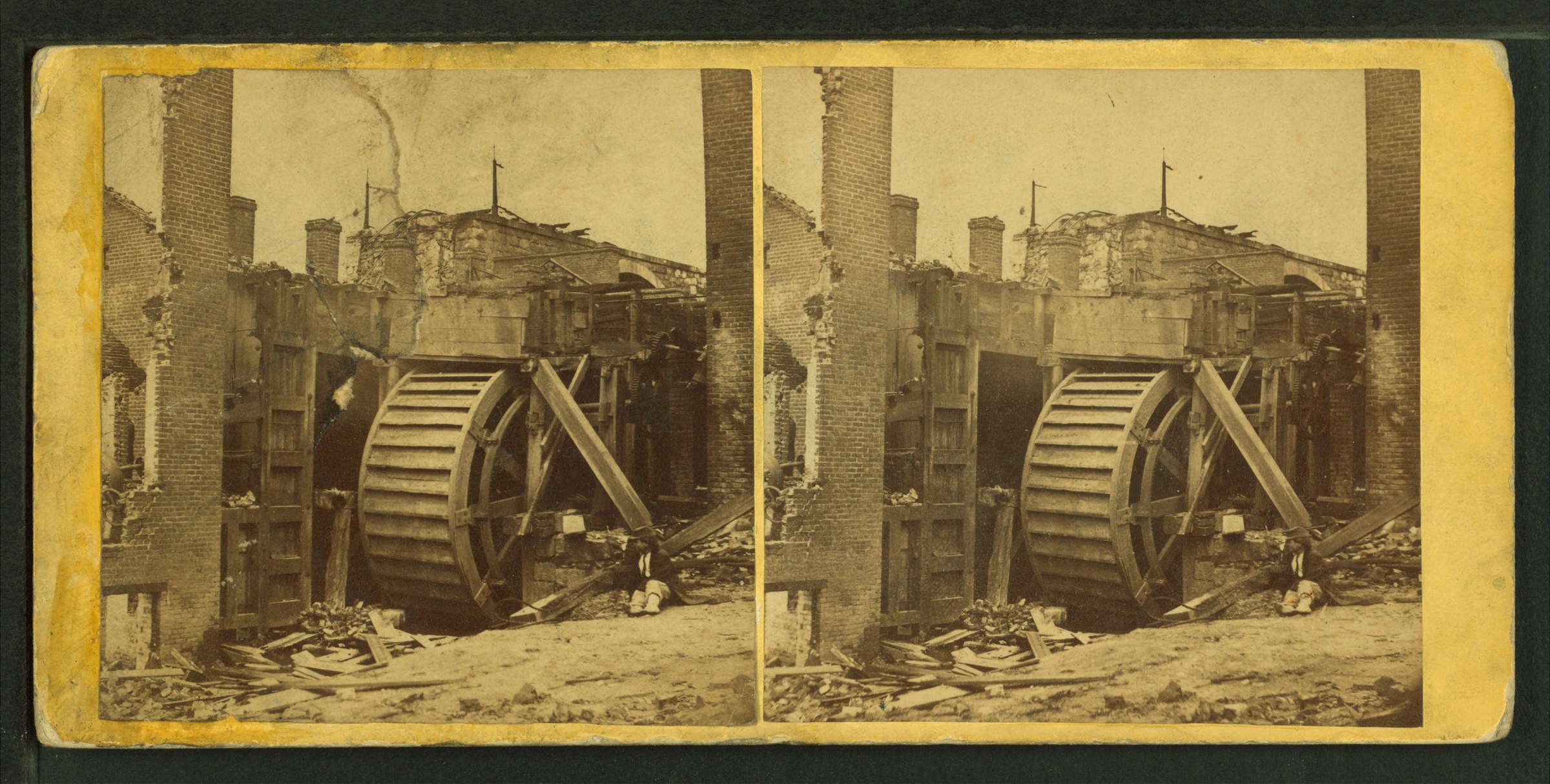
- April 4, 1865 — Richmond. He walked the fallen Confederate capital with his son Tad, guarded by a handful of sailors — an act of conspicuous magnanimity. (The Richmond ruins photograph on this page was taken two days later.)
What he said — the last speech
On April 11, 1865 — three days before his death — Lincoln spoke from a White House window about Louisiana’s new government under the Ten Percent Plan. The key passage, his first public suggestion of Black suffrage:
“It is also unsatisfactory to some that the elective franchise is not given to the colored man. I would myself prefer that it were now conferred on the very intelligent, and on those who serve our cause as soldiers.”
John Wilkes Booth stood in the crowd. According to witnesses, Booth said afterward that this meant “nigger citizenship” and that it would be the last speech Lincoln ever made. The remark is reported, not verbatim — but Booth’s fury at the speech is consistent with everything else about his motives.
Where honest history stops
The great counterfactual — “what would Lincoln have done about Reconstruction?” — is unanswerable, and this site will not answer it. What can be said from evidence:
- His trajectory was toward leniency with conditions: amnesty, quick restoration, emancipation as the non-negotiable floor, Black suffrage as a stated preference but not (yet) a demand.
- He was moving, not fixed. The man of the 1858 Ottawa debate and the man of the April 11, 1865, address are not the same on race — the war moved him, and the direction was consistent.
- Congress would have fought him. The Radicals who despised the Ten Percent Plan as “absurdly lenient” did not disappear with the war. Whether Lincoln could have managed them better than Andrew Johnson did is speculation — plausible, given his political skill, but speculation.
Anyone who tells you confidently how Reconstruction would have gone under Lincoln is selling something. The record gives us a direction, not a destination.
Source notes
- The Proclamation of Amnesty and Reconstruction (December 8, 1863) and the April 11, 1865, address: The Collected Works of Abraham Lincoln, vols. 7–8.
- The Wade-Davis veto and Radical reaction: the standard congressional record; see the bibliography in sources.md.
- Booth’s reported remark after the April 11 speech: witness recollections, treated here as reported rather than verbatim.
- Image: ruins of Richmond, April 6, 1865 — Alexander Gardner (see the image credits on this page). Lincoln visited the city on April 4.