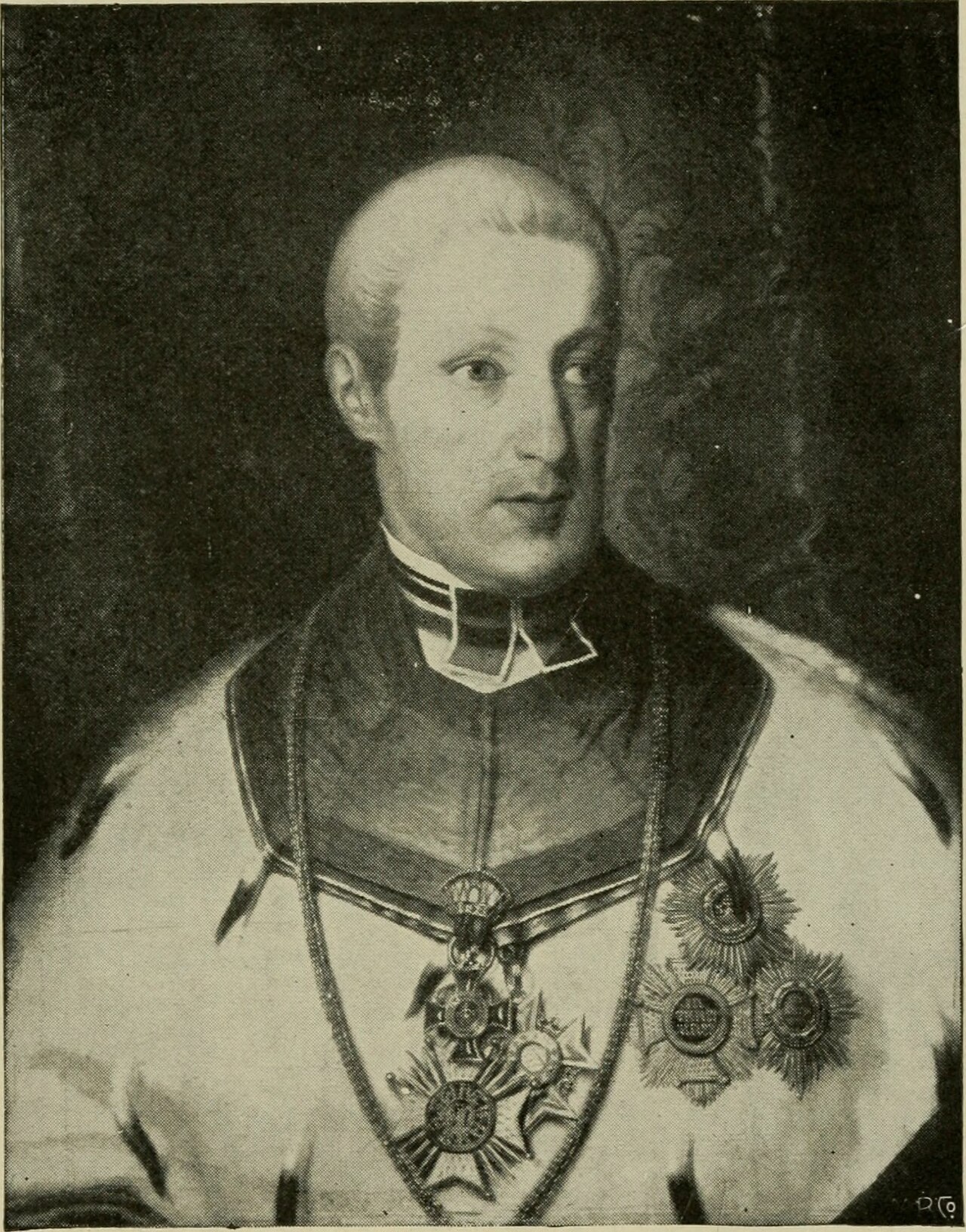
The Vienna Years
He arrived in November 1792 to study with Haydn and never left. Thirty-five years in the imperial capital: triumph, patronage, war, and slow isolation.
Arrival
Vienna in 1792 was Europe’s music capital — Haydn, Mozart’s recent memory (he had died in 1791), a dense network of aristocratic salons with private orchestras. Beethoven arrived as a provincial with letters of introduction and formidable keyboard skills. Haydn, inconveniently, was in London; lessons began on his return and fizzled within two years, but Beethoven had already found better teachers for his needs: Albrechtsberger for counterpoint, Salieri for Italian vocal style.
The pianist
Before Vienna knew him as a composer, it knew him as a pianist — above all as an improviser. Contemporary accounts describe improvisations that left audiences stunned: stormy, inexhaustible, structuring whole fantasies on a theme tossed from the crowd. Piano duels with visiting virtuosos (notably Daniel Steibelt in 1800) became legend — reported, but consistent across witnesses.
The patrons’ republic
Vienna’s aristocracy sustained him: Lichnowsky (annuity, lodgings, a quartet of players), Lobkowitz (palace premieres, dedications), Razumovsky (the quartets, a private orchestra to try them), and above all Archduke Rudolph (pupil, friend, dedicatee of a dozen major works). In 1809, when Beethoven considered a Kapellmeister post elsewhere, Rudolph, Lobkowitz, and Kinsky guaranteed 4,000 florins annually — the first arrangement of its kind, essentially a salary for being Beethoven. Wartime inflation and Kinsky’s death eroded it, but it kept him in Vienna.
The city changes around him
The Napoleonic wars battered Vienna: French occupations (1805, 1809), the Congress of Vienna (1814–15) with its flood of royalty and commissions (including the patriotic potboiler Wellington’s Victory), postwar economic chaos. Beethoven’s 1809 Les Adieux sonata was written as Rudolph fled the French bombardment — cannons audible in the slow movement’s grief.
Withdrawal
As deafness deepened, the social Beethoven faded: fewer salon appearances, the conversation books, the messy apartments, the legendary rudeness to servants and waiters. But the withdrawal was never complete — a tight circle (Breuning, Schindler, Holz, the nephew Karl) stayed, and the late works were written for a public he could no longer hear.
Source notes
- Arrival November 1792; Haydn in London: documented chronology (Beethoven-Haus Bonn).
- The 1809 annuity (Rudolph, Lobkowitz, Kinsky; 4,000 florins): surviving agreement; erosion by inflation and Kinsky’s 1812 death documented in correspondence.
- Steibelt duel (1800): reported in memoirs — treated as reported.
- Wellington’s Victory (1813) and the Congress of Vienna commissions: documented; Beethoven’s own ambivalence about the piece is on record.