People
The king at the center, and the constellation around him: the regent, the cardinal, the ministers, the generals, the women, and the artists.
Family
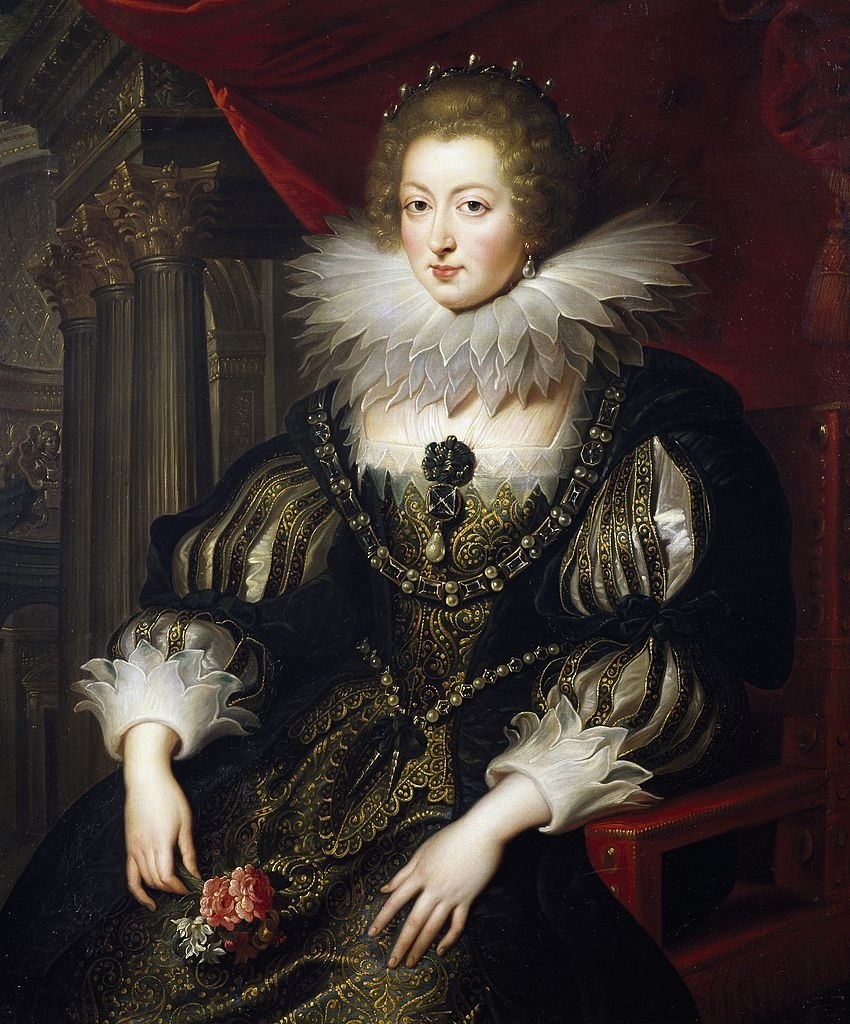
Anne of Austria (1601–1666)
The queen mother and regent (1643–1651). Daughter of Philip III of Spain, widow of Louis XIII, she overturned her husband’s will to rule alone, governed with Mazarin through the Fronde, and kept the throne for her son. She died in 1666, still the court’s moral center.
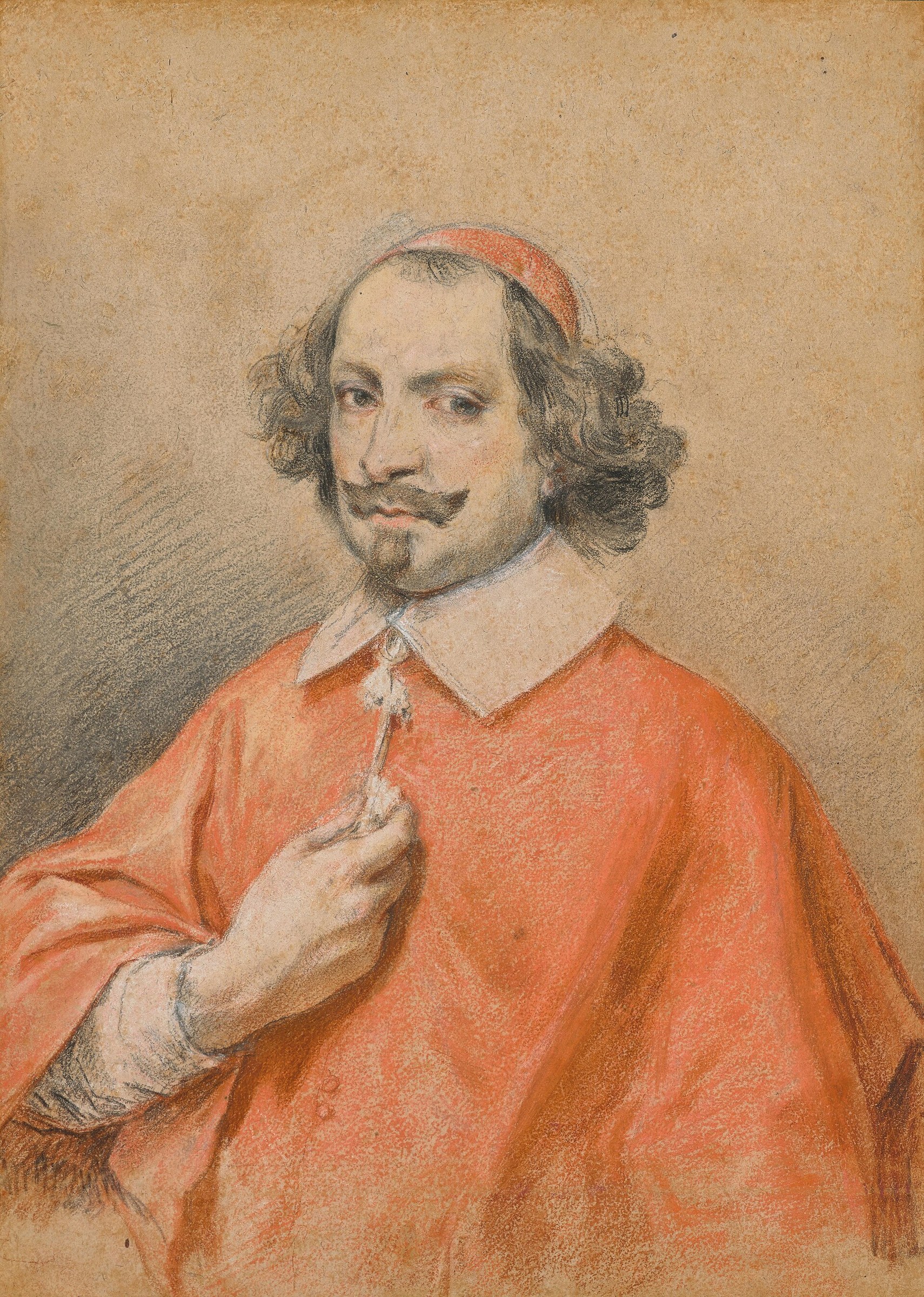
Cardinal Jules Mazarin (1602–1661)
Giulio Mazzarino, the Sicilian-born diplomat who succeeded Richelieu as chief minister. He won the Peace of Westphalia (1648) and the Pyrenees (1659), survived the Fronde’s hatred, and educated the young king in raison d’état. His death on 9 March 1661 opened the personal reign.
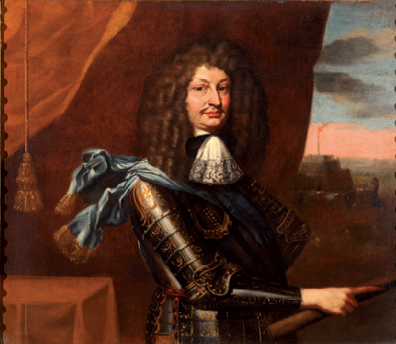
Philippe, Duke of Orléans — “Monsieur” (1640–1701)
Louis’s younger brother: flamboyant, brave (he won at Cassel in 1677), and kept deliberately far from power. His son Philippe would become Regent for Louis XV.
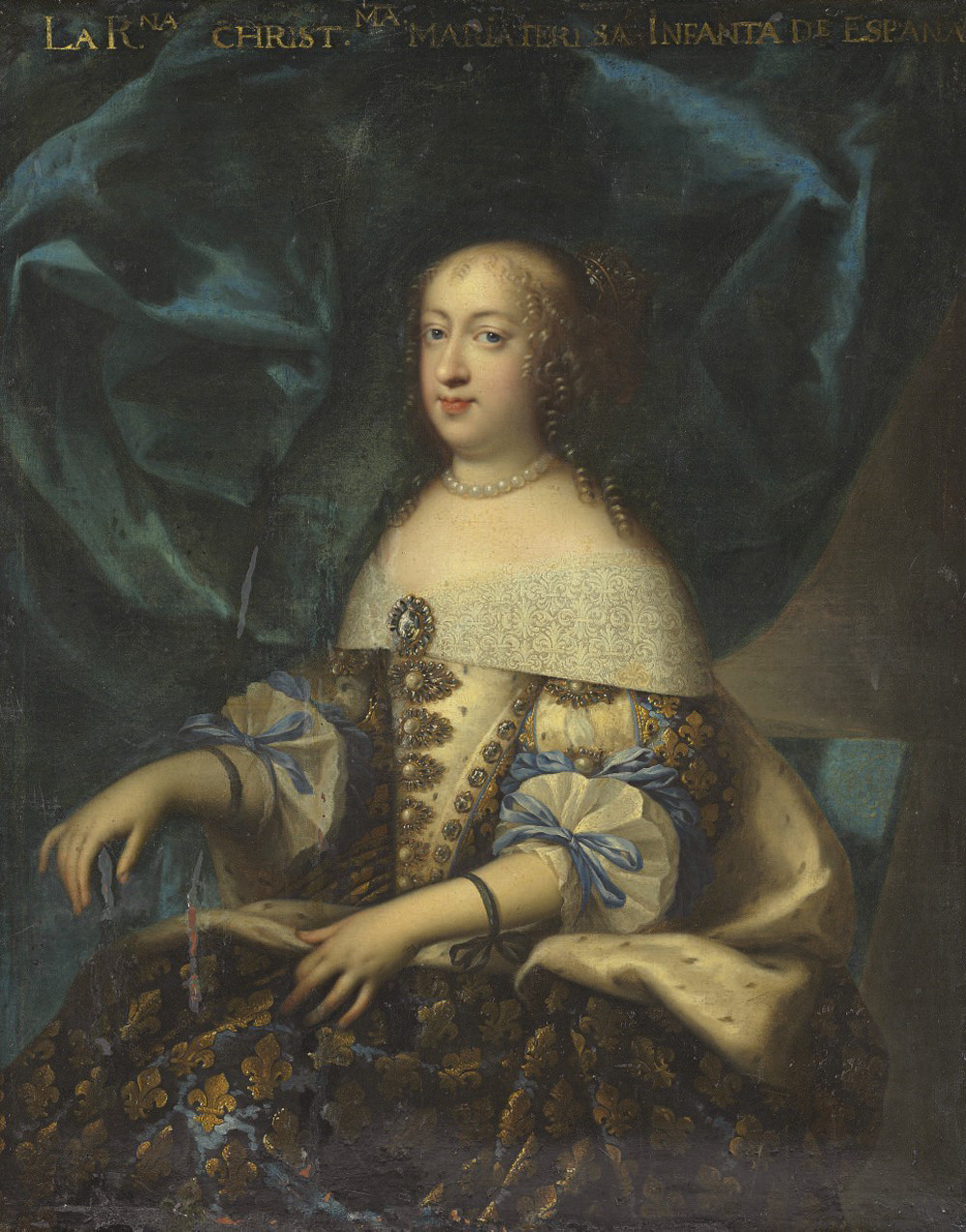
Maria Theresa of Austria (1638–1683)
The Spanish infanta Louis married on 9 June 1660 at Saint-Jean-de-Luz to seal the Treaty of the Pyrenees. She bore six children, of whom only the Grand Dauphin survived to adulthood, and died on 30 July 1683. The king respected her and neglected her.
Louis, the Grand Dauphin (1661–1711)
Monseigneur. The only surviving legitimate child: heir for fifty years, soldier at Philippsburg (1688), patron of the arts, and a man his father kept from real power. He died of smallpox on 14 April 1711 — four years before his father — which threw the succession into crisis. See the death of 1715.
The ministers
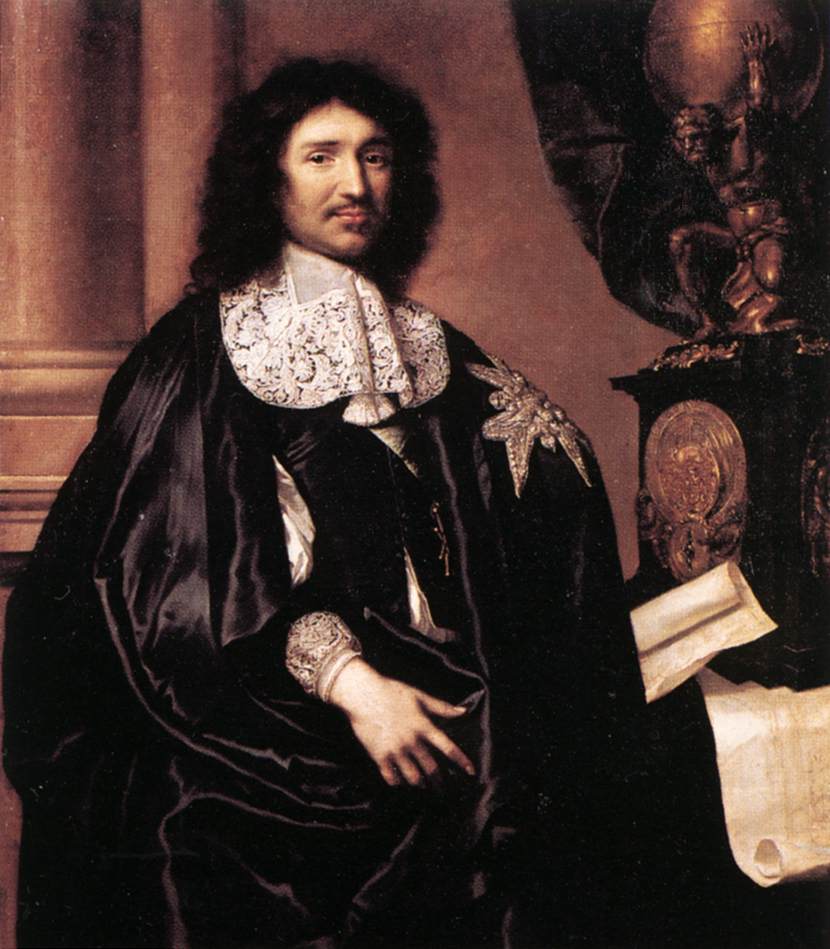
Jean-Baptiste Colbert (1619–1683)
Controller-general of finances from 1665: he rebuilt the treasury, the navy, and French industry, and directed the cultural program — academies, the Gobelins, the Observatory. He died exhausted in 1683, the same year as the queen. See Colbert and the finances.
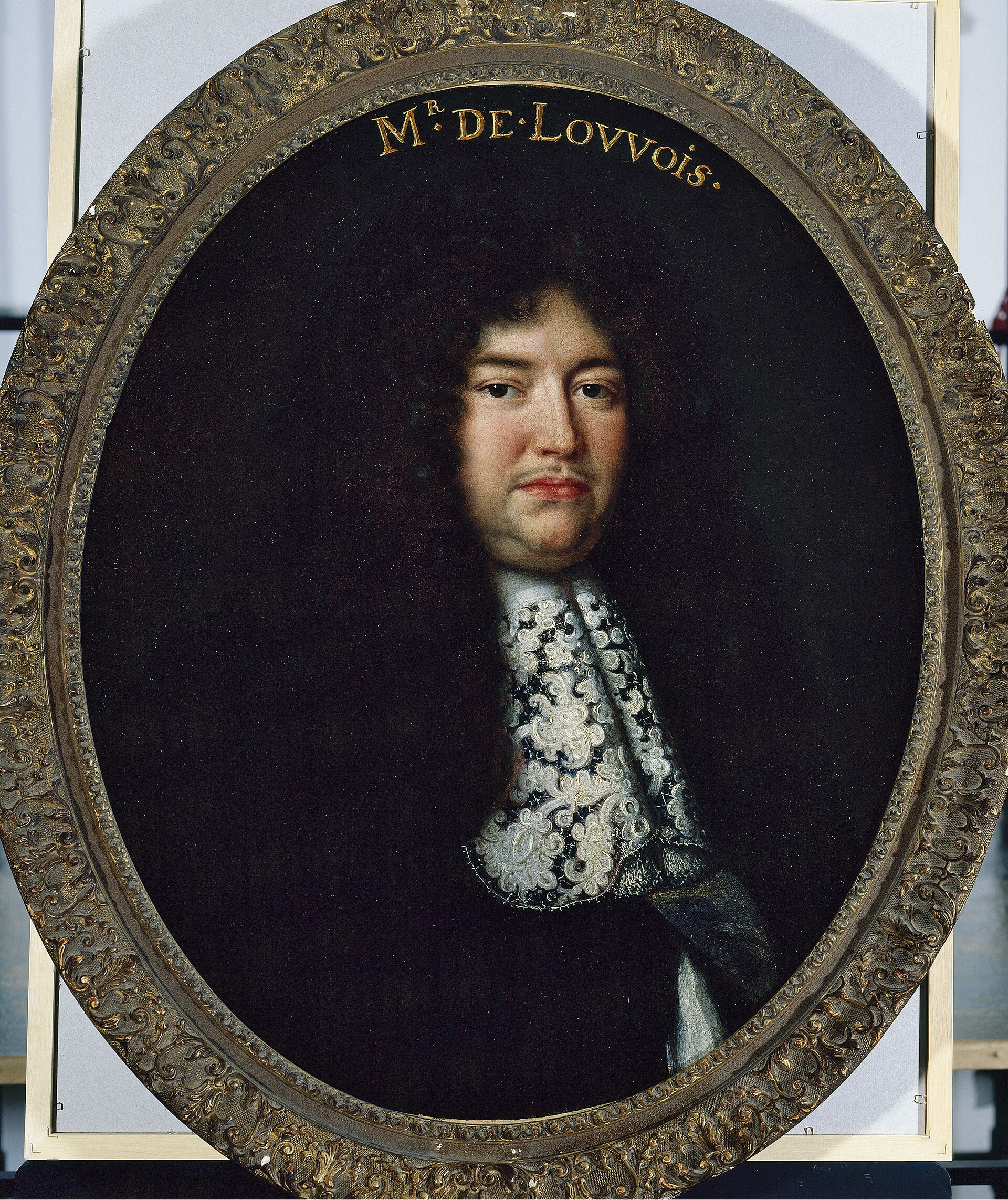
François-Michel Le Tellier, Marquis de Louvois (1641–1691)
Secretary of state for war from 1666: the organizer of the great standing army, the intendants’ military counterpart, and the enforcer of the dragonnades. Brilliant administrator, feared and hated; he died suddenly in 1691, to the king’s barely-concealed relief.
Michel Le Tellier (1603–1686)
Louvois’s father and predecessor at the war ministry; the architect of the army’s administrative reform. On his deathbed in 1685 he is said to have exulted at the Revocation of the Edict of Nantes — reported, not verified verbatim.
The generals
Louis II de Bourbon, Prince de Condé — “le Grand Condé” (1621–1686)
The victor of Rocroi (1643), then the Fronde’s great rebel, then — pardoned — the king’s general again: Seneffe (1674), the crossing into the Empire. The century’s most brilliant tactician, and proof that Louis could forgive usefulness.
Henri de La Tour d’Auvergne, Vicomte de Turenne (1611–1675)
Marshal-general of the camps and armies (1660): the patient strategist of the Dutch War, killed by a cannonball at Sasbach in 1675. Louis wept at the news, contemporaries report.
Claude Louis Hector, Duke of Villars (1653–1734)
The reign’s last great general: his victory at Denain (24 July 1712) saved France in the War of the Spanish Succession and made the peace of Utrecht possible. Made marshal on the battlefield’s news.
The women
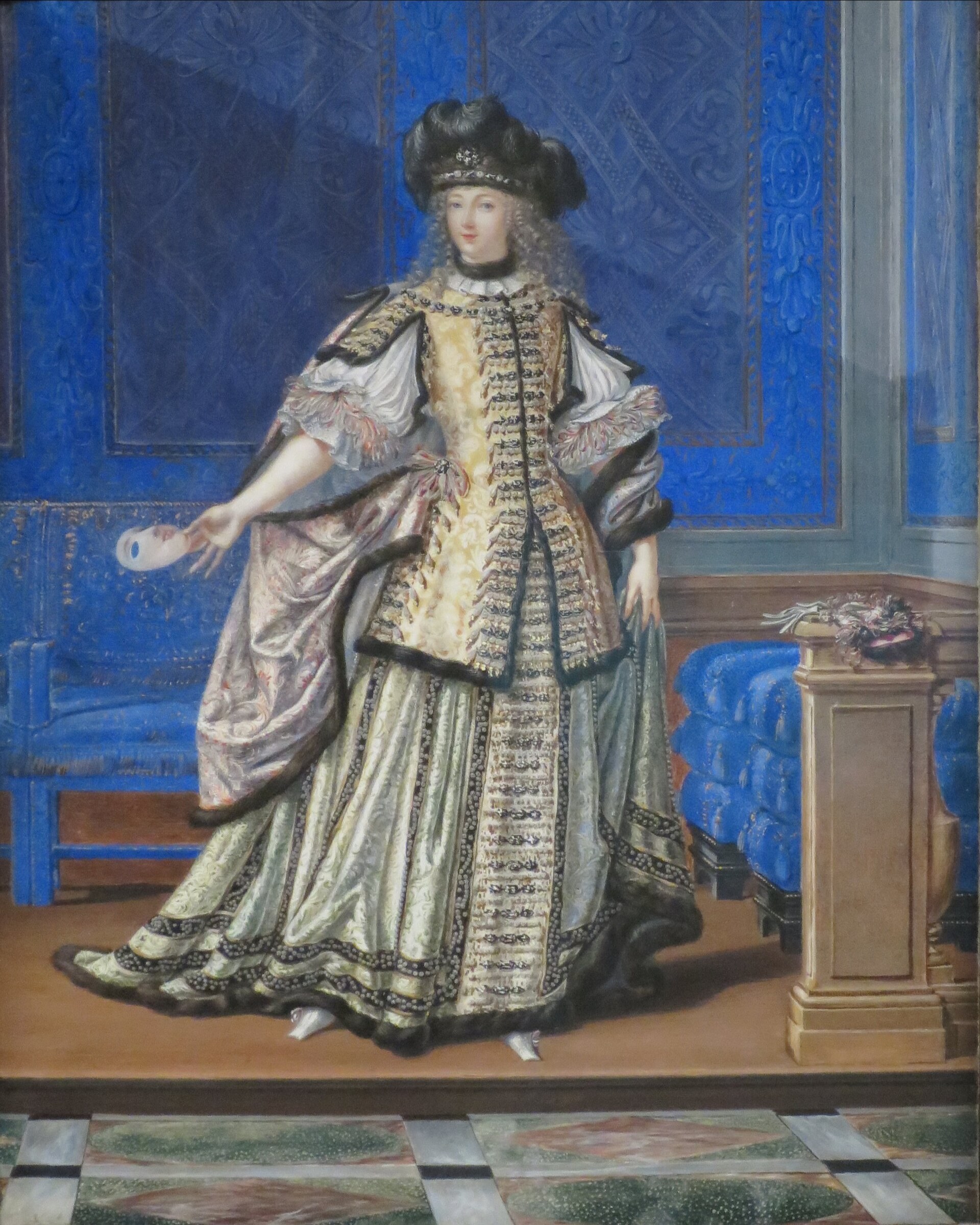
Louise de La Vallière (1644–1710)
The king’s first maîtresse-en-titre (1661–1667): gentle, genuinely loved, and eventually displaced. She bore four of his children (two survived) and retired to the Carmel in 1674, taking the veil as Sister Louise of Mercy.
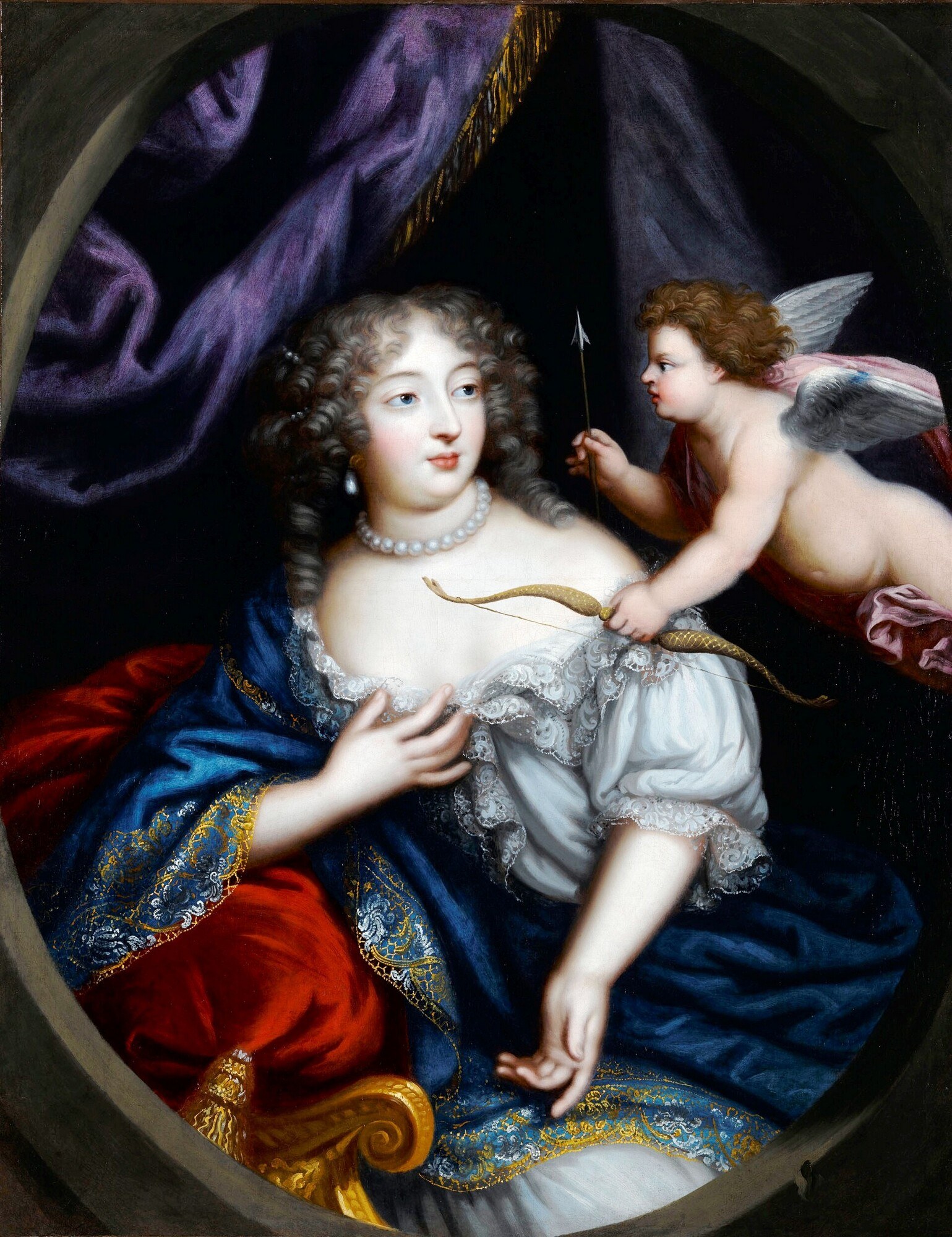
Françoise-Athénaïs de Rochechouart, Marquise de Montespan (1640–1707)
The dazzling, imperious mistress of the 1670s: seven children with the king, the court’s sun — until the Affair of the Poisons (1679–82) touched her circle and the king’s devotion cooled. She withdrew from court in 1691.
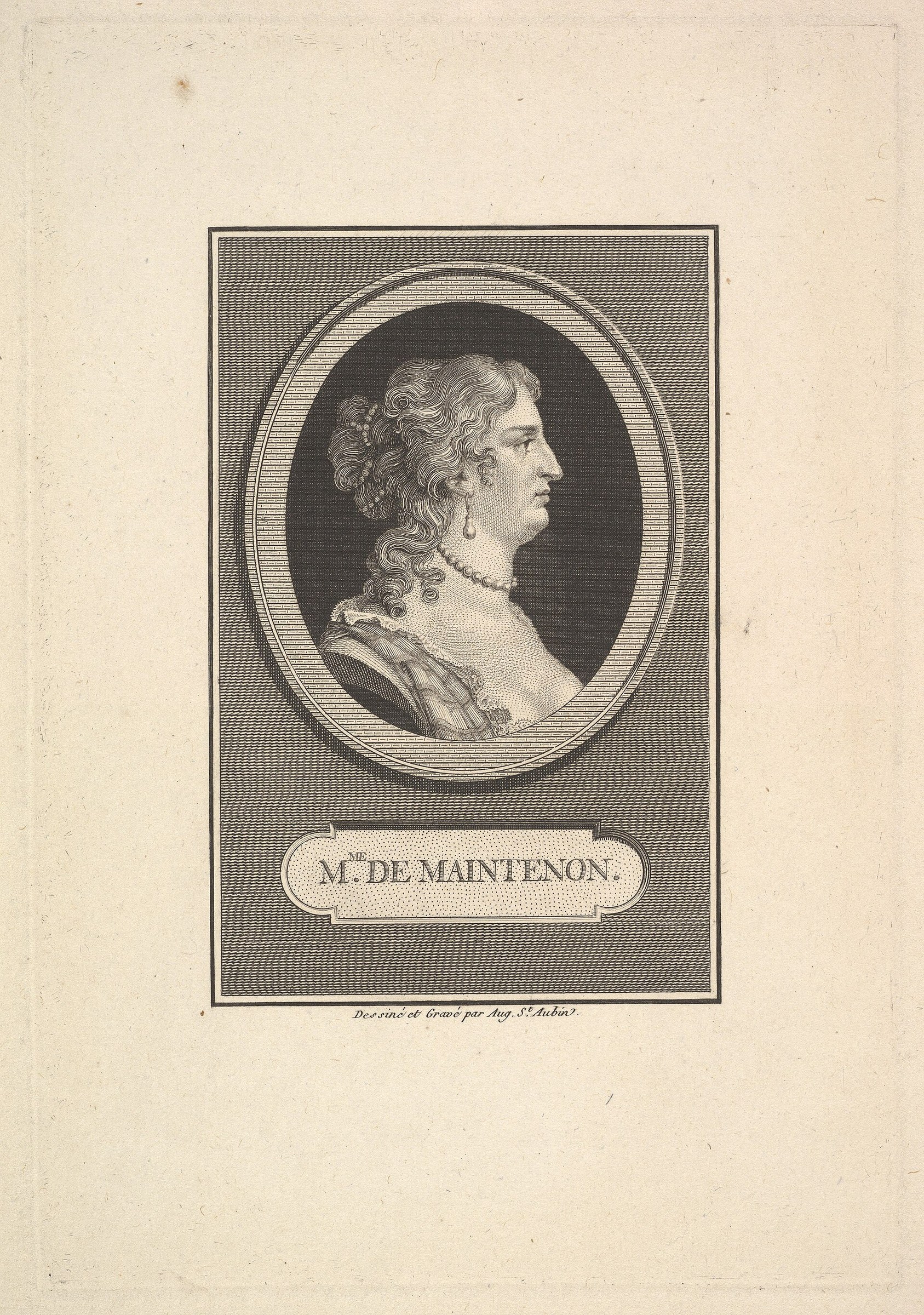
Françoise d’Aubigné, Marquise de Maintenon (1635–1719)
The governess of Montespan’s children who became the king’s confidante, then — after Maria Theresa’s death — his secret morganatic wife (conventionally dated to the winter of 1683–84; the exact date is undocumented). Pious, political, and powerful behind the scenes, she founded Saint-Cyr for impoverished noblewomen. She survived him by four years.
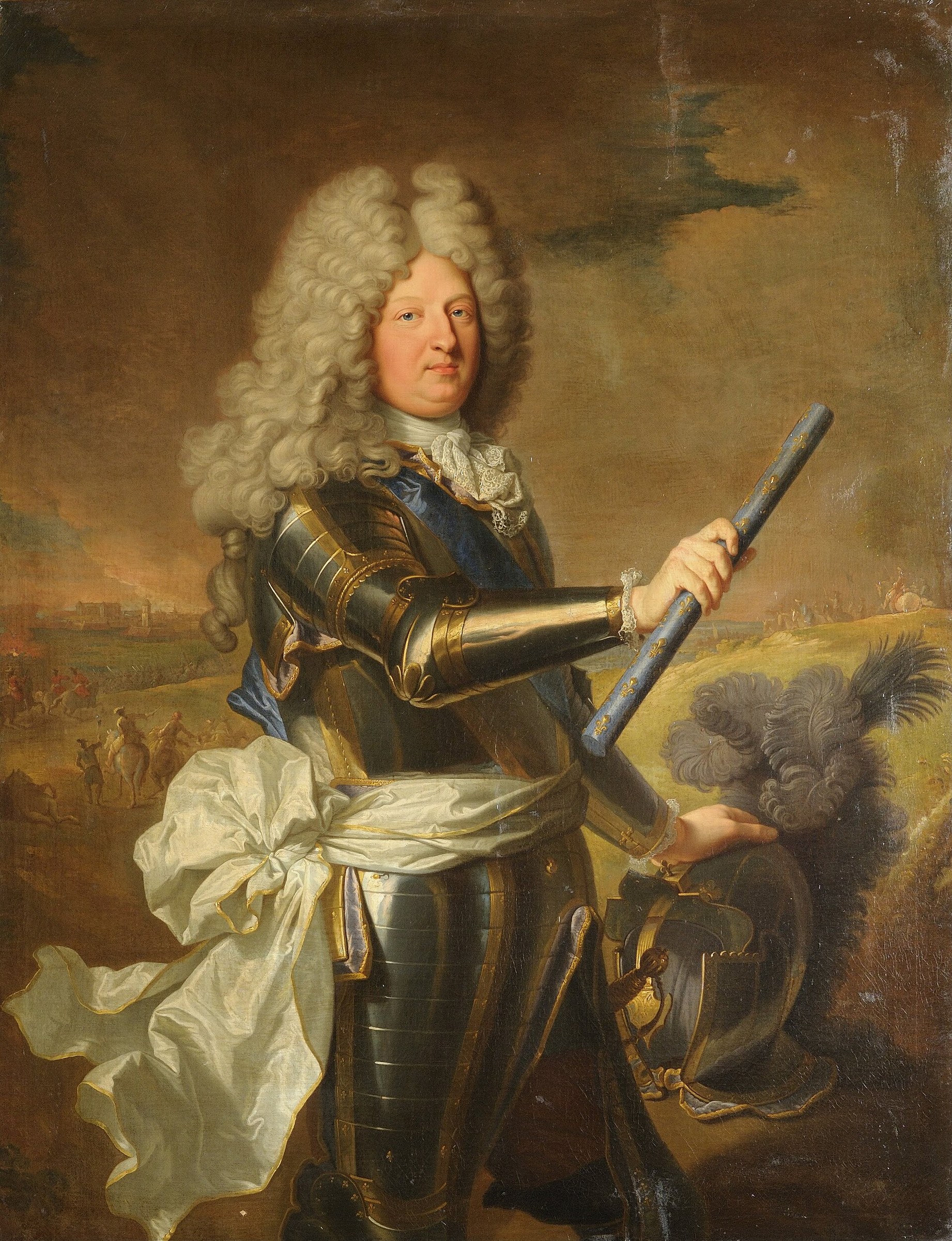
Philippe of Orléans — portrait note
The artists and witnesses
Charles Le Brun (1619–1690)
Premier peintre du roi: the dictator of the reign’s visual program — the Hall of Mirrors’ ceilings, the Gobelins, the academies. He turned the king’s image into a system. See art and propaganda.
Jacques-Bénigne Bossuet (1627–1704)
Bishop of Meaux, the Grand Dauphin’s tutor, the great orator of the reign: his funeral orations and his Politics Drawn from the Very Words of Holy Scripture gave divine-right monarchy its most eloquent defense.
Marie de Rabutin-Chantal, Marquise de Sévigné (1626–1696)
The letter-writer whose correspondence is the reign’s most vivid unofficial record: court gossip, the deaths, the wars, and the Revocation, observed with a sharp and amused eye.
Source notes
- Dates are the standard documentary record (see sources.md; 2026-09-26).
- The Maintenon marriage date is undocumented; “winter 1683–84” is the conventional scholarly placement — labeled uncertain.
- The “presumed” Philippe portrait’s sitter identification follows the Commons cataloging; labeled accordingly.
- Montespan portrait: studio of Pierre Mignard (public domain).
- Le Tellier’s reported deathbed remark on the Revocation is reported, not verified verbatim.