Methodology
This site's only real innovation is procedural: every claim carries its distance from the evidence, printed on the page.
The core problem
Alexander studies has an evidence problem most historical subjects don’t: the entire narrative tradition is late. The earliest surviving continuous account (Diodorus) was written ~300 years after Alexander’s death; the most trusted (Arrian) ~450 years after. Both worked from lost earlier works. This site therefore treats every claim as a claim by a source, not a fact about the world, unless independent evidence corroborates it.
Certainty labels
- Fixed — pinned by astronomy (the Gaugamela eclipse), contemporary cuneiform records, or inscriptions. Used sparingly.
- Traditional — the date or fact the ancient authors give, carried by modern convention (e.g., the birth date).
- Narrative — the conventional reconstruction from the source sequence; the scholarly consensus position.
- Reported anecdote — a story the sources tell, presented as a story. Plausible, unprovable, possibly invented.
- Misattributed / unverifiable — famous lines and stories with no ancient source. Quarantined, never mixed with sourced material.
- Disputed — scholars or sources actively disagree; the page presents the positions.
Quote policy
No verbatim quotation of Alexander exists, so the site never presents one. The sayings page distinguishes:
- Reported anecdotes — with the ancient author, work, and passage cited, plus the date of the author (so the reader sees the 400-year gap).
- Misattributed lines — with the earliest known source (e.g., an 1896 self-help book) and an explicit “no ancient source” label.
Translations are identified by translator (Dryden/Clough, Perrin, Chinnock). Wording differences between translations are noted where they matter.
Number policy
Ancient army sizes, casualties, and death tolls are reported as ancient claims, never as facts. Where modern historians have proposed serious alternative figures, the site gives the range. Siege-of-Tyre-style atrocity numbers get the same treatment: the event is reported, the arithmetic is flagged.
Image policy
Three labeled categories, never mixed:
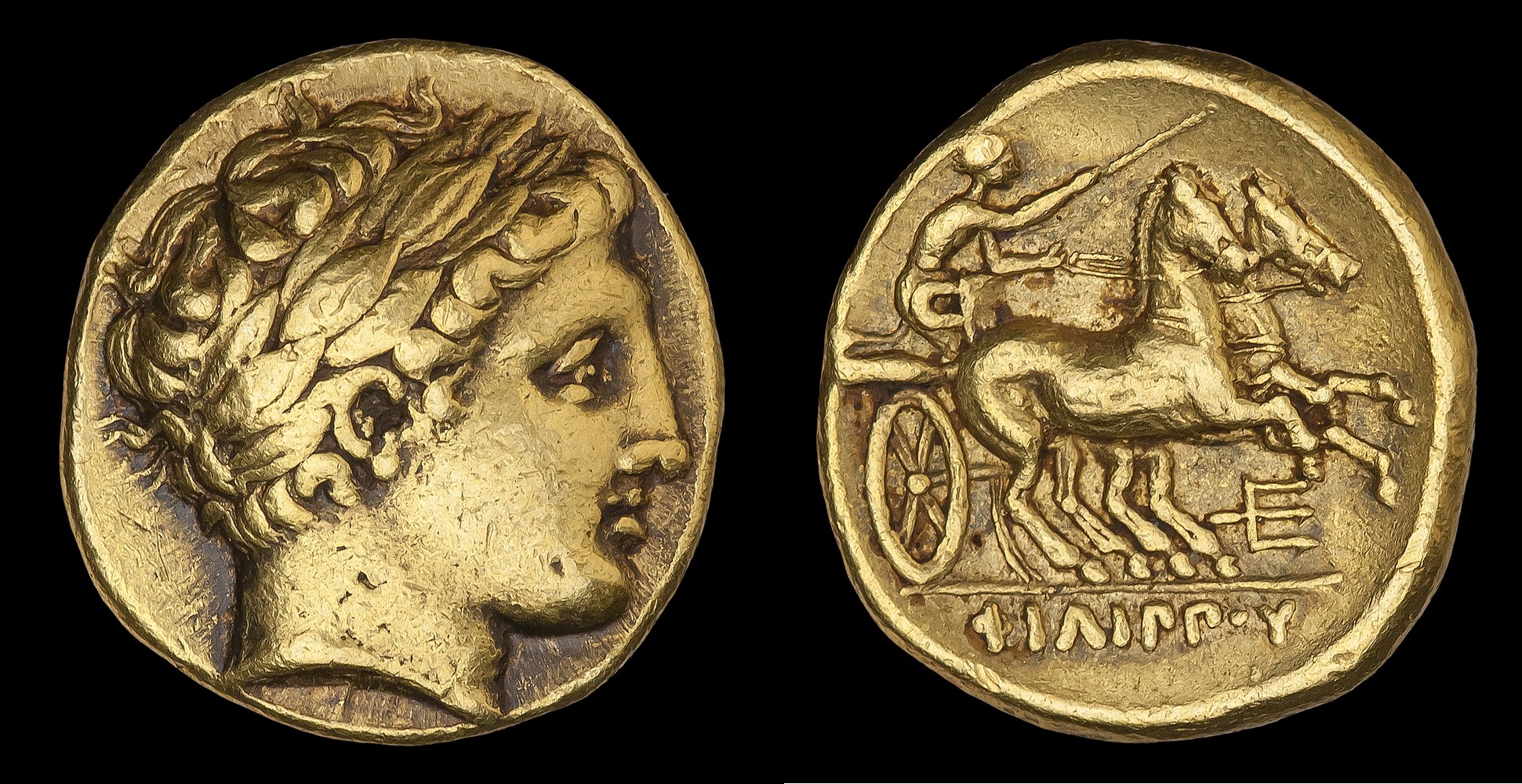
- Real artifacts — Roman mosaics, coins, ruins, later paintings. Every caption states what the object is, when it was made, and — where relevant — that no lifetime portrait of Alexander survives.
- AI-generated dramatization art — the stream character and scene illustrations, generated in the owner’s Vizlings character style. Labeled on the image caption and in the page text. Never presented as history, never depicting a real person from life.
- Owner-supplied art — the banner and character art supplied by the site owner from the Vizlings app, labeled as such. The owner’s character sheet is a style reference only and is never displayed.
See the image captions for credits and context. Illustrated character art is a dramatization.
What “we don’t know” means here
It means the evidence does not decide the question — not that the question is uninteresting. The death, the burning of Persepolis, the intentions behind the fusion policy, the exact words of the Siwa oracle: the site presents the theories with their evidence and stops there.
Source notes
- This methodology page documents editorial practice; it makes no historical claims of its own.
- The label system was designed for this site (2026-09-26); it is not a scholarly standard.
Limitations
- Labels are judgments. Reasonable historians could label some “Narrative” dates “Traditional” and vice versa; the pages explain the reasoning where it matters.
- New evidence (papyri, inscriptions, archaeology) can change labels; the site is current as of 2026-09-26.