Royal Finances
Where the money comes from, where it goes, and what "the King's money" actually means.
The Sovereign Grant
The Sovereign Grant is the annual public payment funding the monarch’s official duties — staff, travel, palace maintenance, and royal engagements. It replaced the Civil List in 2012.
How it’s calculated: the Grant is a percentage of the Crown Estate’s net revenue profit from two years earlier. The percentage was 15%, raised to 25% (2017–2027) to fund the Buckingham Palace reservicing, then cut to 12% in the July 2023 Royal Trustees review — a reduction made, the review noted, in line with the King’s own wishes, anticipating a surge in Crown Estate income from offshore wind leases.
The figures (verified):
| Year | Grant | Notes |
|---|---|---|
| 2024–25 | £86.3m (Core £51.8m, Reservicing £34.5m) | Unchanged — flat since 2021–22 |
| 2025–26 | £132.1m (Core £72.1m, Reservicing £60m) | First increase since 2021–22 |
| 2026–27 | £137.9m | Final reservicing tranche |
From 2027–28 the Grant is expected to fall to around £100m a year once the £369m Buckingham Palace reservicing completes and offshore-wind revenues normalize.
The Crown Estate
The Crown Estate — London property, farmland, and almost the entire UK seabed — is worth over £15 billion and is run as an independent commercial business. Its profits go to the Treasury; the monarch surrendered the revenues in 1760 in exchange for the annual payment. In 2024–25 it posted a record £1.15 billion net profit, driven by offshore wind leasing. The King has no say in its management and takes none of its profits directly.
The two Duchies
- Duchy of Lancaster (~£700m assets): the sovereign’s private estate, funding the Privy Purse — the King’s private income, from which he pays tax voluntarily.
- Duchy of Cornwall (~£1bn assets): the heir’s estate; passed to William on the accession. See the Duchy of Cornwall.
What the King personally owns
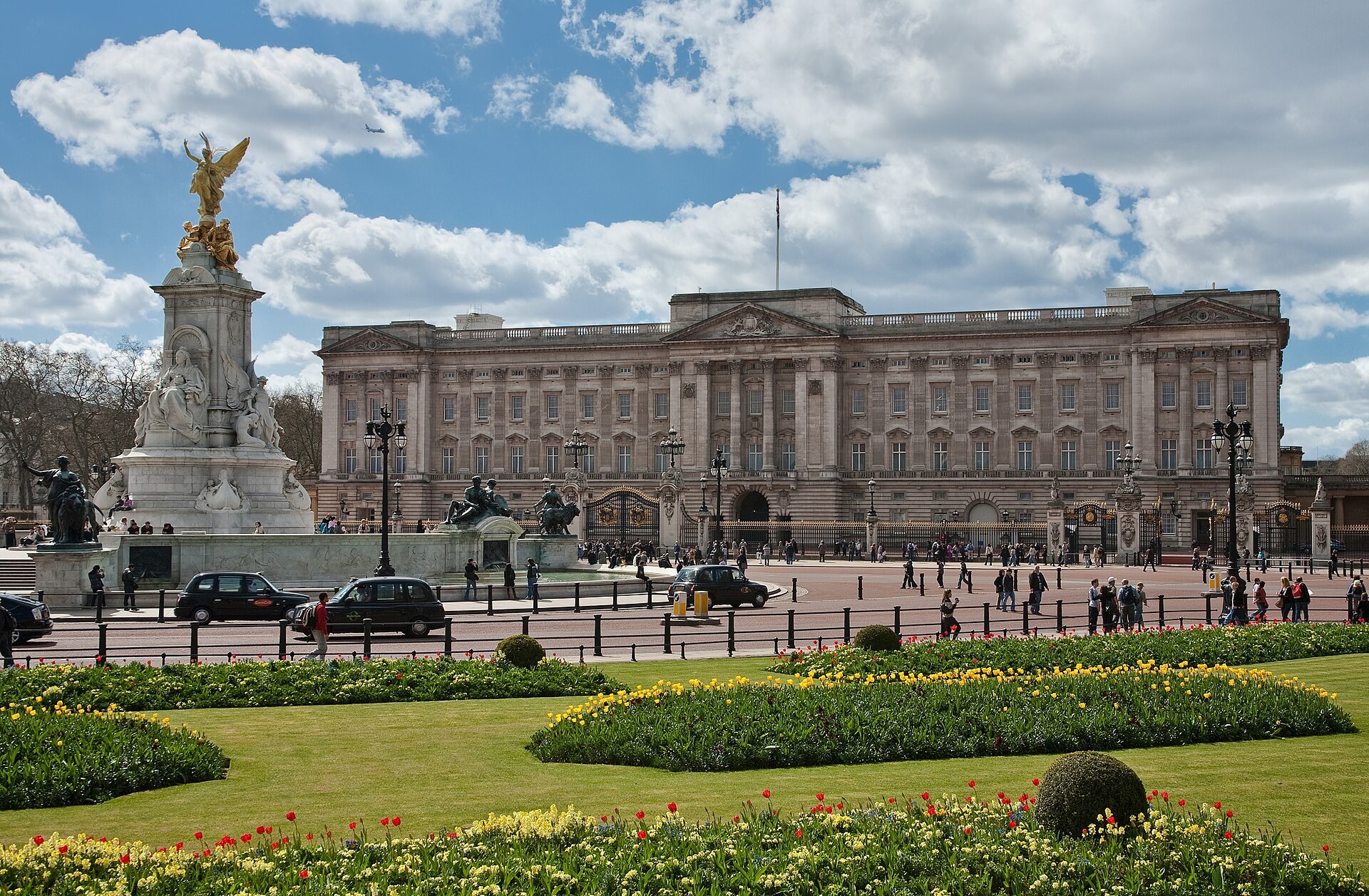
Private: Balmoral and Sandringham (inherited from Elizabeth II), plus personal investments, art, and the Duchy of Lancaster income. He pays income tax voluntarily on private income. Held in trust, not owned: Buckingham Palace, Windsor Castle, the Crown Estate, the Royal Collection, and the Crown Jewels — these belong to the institution, not the individual, and cannot be sold.
The “cost per person” framing
Republic, the campaign group, puts the monarchy’s total cost far higher (including security and lost revenue); royal supporters note the Treasury keeps the Crown Estate surplus, which dwarfs the Grant. The Sovereign Grant figures above are the audited public payment. Security costs are not published — a genuine gap in the public accounting.
Source notes
- Grant figures and the 12% rate: Report of the Royal Trustees on the Sovereign Grant 2025–26 (gov.uk); the Sovereign Grant Annual Report 2024–25 (royal.uk).
- The King’s wishes on the 2023 reduction: the Royal Trustees’ review, July 2023.
- Crown Estate profits (£1.15bn, 2024–25) and portfolio: Crown Estate annual report; Reuters reporting, July 2025.
- Buckingham Palace reservicing (£369m, ten-year programme): National Audit Office and palace publications.
- Tax arrangements: palace statements (voluntary income-tax payments since 1993 for the Duchy; the King continues the arrangement).
- Republic’s alternative costing: the group’s published estimates — included as a contested framing, not an audited figure.