The Honours System
Knights, dames, OBEs — who decides, who gets them, and what the King actually does.
The Fount of Honour
All honours flow from the sovereign. In practice the system runs on three tracks:
- The main honours lists (New Year and Birthday): nominations from the public, vetted by Whitehall committees, approved by the Prime Minister and then by the King.
- The Prime Minister’s resignation and dissolution lists: political, and periodically controversial.
- The King’s personal gift: the Order of the Garter, the Order of the Thistle, the Royal Victorian Order, and the Order of Merit are in the sovereign’s personal gift — no ministerial advice required.
The orders in brief
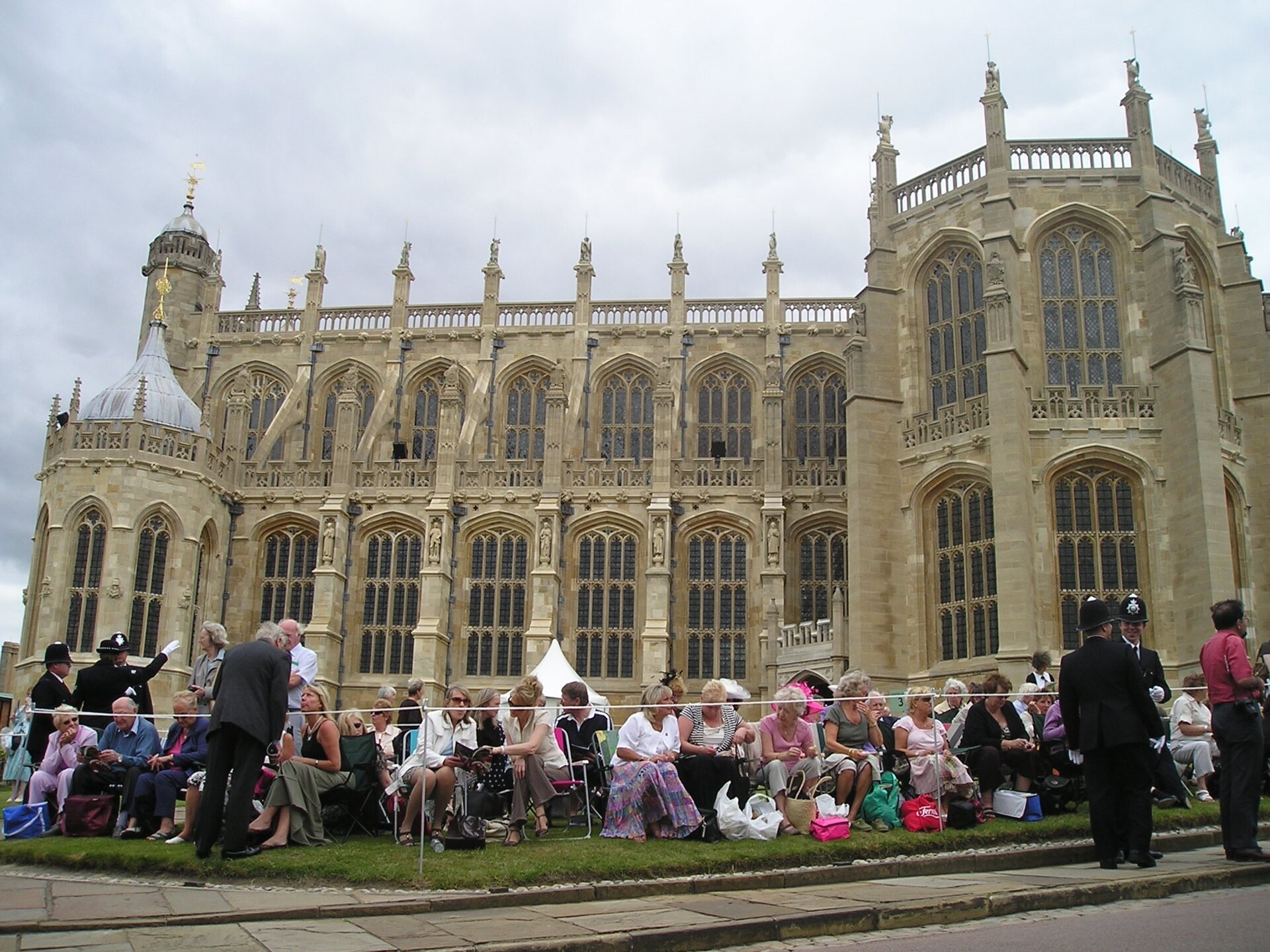
- The Garter (1348): the senior order — the sovereign, royal knights, and 24 companions. Garter Day at Windsor each June is its great ceremony.
- The Thistle (1687): Scotland’s equivalent.
- The Bath, St Michael and St George, the British Empire (OBE/MBE/CBE/KBE): the workhorses — civil servants, artists, athletes, charity workers.
- The Royal Victorian Order: for personal service to the monarch — the King’s own long-serving staff feature here.
- The Order of Merit (1902): limited to 24 living members, for exceptional distinction in the arts, sciences, and public life — a personal choice of the sovereign.
Investitures
Recipients are presented with their insignia by the King (or a senior royal deputizing) at Buckingham Palace, Windsor Castle, or the Palace of Holyroodhouse. Charles, who conducted investitures for his mother for years, brings a practiced informality to the ritual — and genuine curiosity about recipients, by many accounts.
The debates
- Empire in the name: the OBE/MBE’s “Empire” wording is periodically challenged; the palace’s position is that the orders recognize service, whatever the title’s history. No change under Charles so far.
- Cash for honours: the 2021 allegations around the King’s Foundation (see The King’s Foundation) touched the honours system directly — a police investigation closed in 2023 with no further action.
- Diversity and reach: successive governments have pushed nominations beyond the usual networks; the lists under Charles have continued that trend without fanfare.
What changed with the King
Less than the symbolism suggests: the system is Whitehall-run and the King’s discretion is mostly confined to his personal orders. What has changed is tone — Charles’s investitures are widely described as warmer and more conversational than the formal receptions of the late reign.
Source notes
- Honours process: Cabinet Office guidance and the honours committees’ published procedures.
- The sovereign’s personal orders: royal.uk descriptions of the orders of chivalry.
- Cash-for-honours investigation: Sunday Times, September 2021; Metropolitan Police statement closing the investigation, 2023.
- Investiture venues and practice: royal.uk; contemporaneous reporting on the King’s investitures.