The Environmental Record
Half a century of green advocacy, from lonely warnings to the mainstream — the receipts, in order.
The early warnings (1970s–1980s)
Charles was speaking about pollution, resource depletion, and wildlife loss before “the environment” was a political category. As Prince of Wales he used speeches and visits to press conservation causes through the 1970s and 1980s — at a time when the press often treated it as a rich man’s eccentricity (the “talks to plants” caricature dates from this era; see Sayings).
The working demonstration: Highgrove and the farm
Talk was paired with practice. At Highgrove he developed gardens run on organic principles; in 1985 he converted Duchy Home Farm to full organic production; Duchy Originals (1990) turned the farm’s produce into a commercial brand whose profits funded charity. Whatever one thinks of the philosophy, it was a working farm, not a speech.
The institutional phase (2000s–2010s)
- The Prince’s Rainforests Project (2007) — a campaign against tropical deforestation.
- The International Sustainability Unit — convening business and policy voices.
- “Harmony” (2010) — his book arguing that modern society had lost a sense of balance with nature; part philosophy, part manifesto.
- Dozens of speeches tying climate, farming, and the built environment together — the “web of life” framing he has used for decades.
The Terra Carta and Sustainable Markets Initiative (2020–2021)
In 2020 Charles launched the Sustainable Markets Initiative, and in January 2021 — at the One Planet Summit in Paris — its charter, the Terra Carta: a call for business to put “Nature, People and Planet at the heart of the economy,” with nearly 100 specific actions for industry. He carried the message to COP26 in Glasgow (November 2021), addressing world leaders as Prince of Wales.
As King
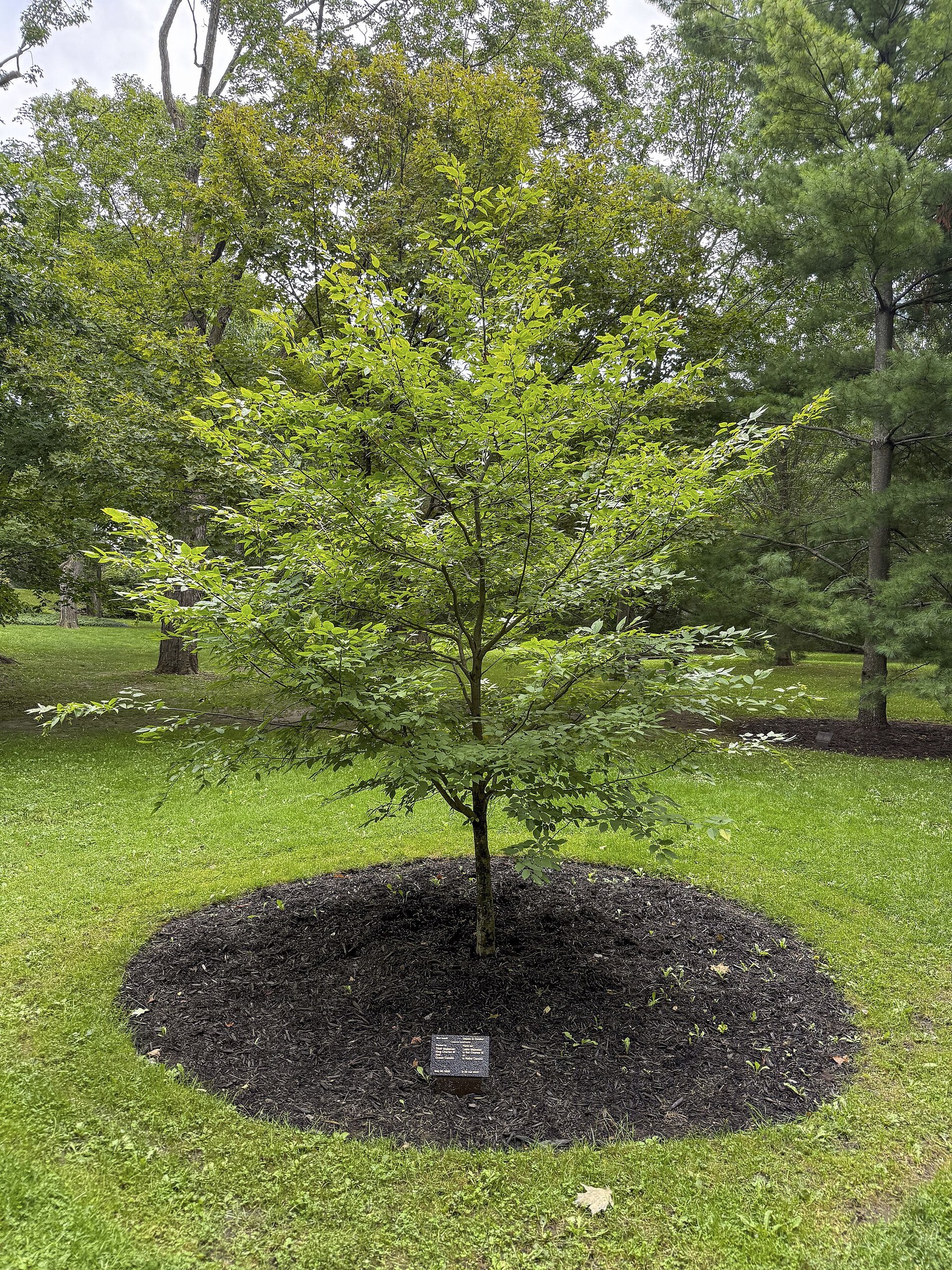
The constitutional role constrains advocacy — the King cannot campaign as the Prince did. But the through-line continues in institutional form: the Sustainable Markets Initiative operates with palace support, tree planting marks major visits (including Ottawa, May 2025), and the coronation itself was framed around themes of service to creation.
The honest audit
What worked: the early warnings were directionally right; the farm and gardens are real; the Terra Carta gave business a framework many adopted. What’s debatable: how much any of it changed policy versus reflected it; the carbon footprint of a royal lifestyle preaching restraint; whether a constitutional monarch should have been lobbying at all (see the black spider memos). What’s not in dispute: the consistency — five decades, same themes, before they were popular.
Source notes
- Speeches and campaigns: contemporaneous reporting (BBC, broadsheets) and the Prince of Wales’s published speeches archive.
- Highgrove organic conversion (1985), Duchy Originals (1990): Duchy and brand histories.
- Prince’s Rainforests Project (2007), International Sustainability Unit, Harmony (2010, HarperCollins): published records.
- Sustainable Markets Initiative (2020) and Terra Carta launch (One Planet Summit, Paris, January 2021): SMI announcements.
- COP26 address (Glasgow, November 2021): UNFCCC / palace records.