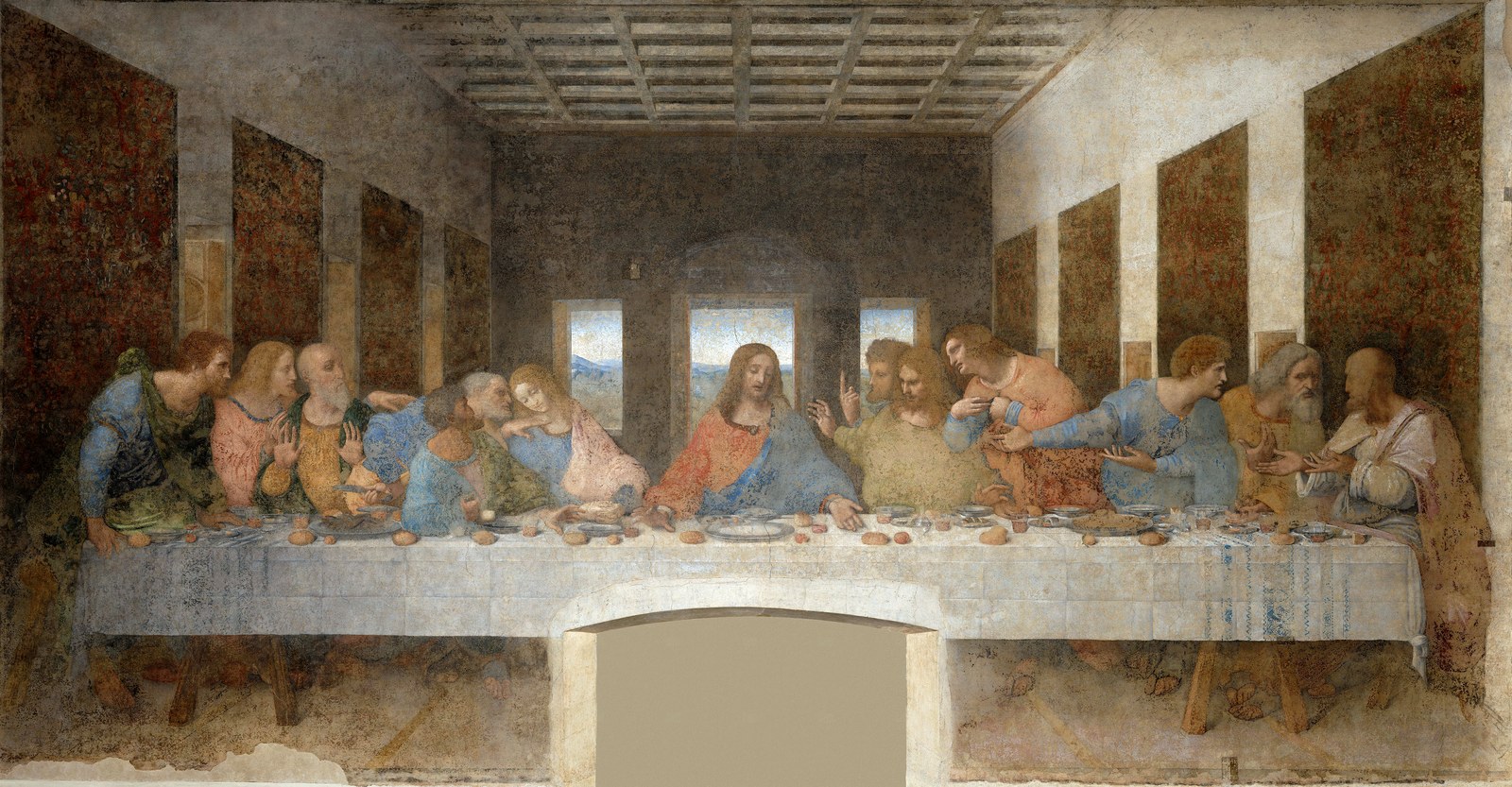
Key Figures Around Jesus
The people around Jesus — apostles, family, witnesses, and authorities — with Scripture, tradition, and scholarship kept carefully distinct.
The Twelve
The Gospels give four lists of the Twelve that agree on eleven names but differ in the twelfth slot and in ordering (Matthew 10:2–4; Mark 3:16–19; Luke 6:14–16; Acts 1:13 — Acts replaces Judas Iscariot with Matthias, Acts 1:26). Matthew and Mark list “Thaddaeus” where Luke and Acts list “Judas son of James” — taken as the same man under a different name (some manuscripts of Matthew read “Lebbaeus” at this point). “Bartholomew” appears in the three Synoptic lists; John’s Gospel instead names Nathanael (John 1:45–51) — never in a Twelve-list — and scholars widely (though not universally) identify the two as the same person.
Simon Peter (Simon son of Jonah/Jonas; Aramaic “Cephas,” rock)
Who: Fisherman from Bethsaida/Capernaum (Mark 1:16–18; John 1:44), brother of Andrew, married — his mother-in-law is healed in Mark 1:29–31. First among the apostles in the lists; the outspoken leader. Key moments: Renamed Peter/Cephas — “on this rock I will build my church” (John 1:42; Matthew 16:18); his confession “You are the Christ” (Matthew 16:16); given “the keys of the kingdom” (Matthew 16:19); inner circle — Transfiguration (Matthew 17:1–8), Jairus’s daughter (Mark 5:37), Gethsemane (Matthew 26:37); walks on water (Matthew 14:28–31); cuts off Malchus’s ear (John 18:10); denies Jesus three times (Matthew 26:69–75; Mark 14:66–72; Luke 22:54–62; John 18:15–27); runs to the empty tomb (Luke 24:12; John 20:3–6); reinstated — “Feed my sheep” (John 21:15–19). Afterward: Scripture: preaches at Pentecost (Acts 2); heals, is imprisoned and escapes (Acts 5, 12); receives Cornelius, opening the mission to Gentiles (Acts 10); speaks at the Jerusalem Council (Acts 15:7–11); rebuked by Paul at Antioch (Galatians 2:11–14); his death foretold (John 21:18–19); refers to his coming death (2 Peter 1:14). Tradition: preached and was martyred in Rome under Nero (c. AD 64), crucified head-downward at his own request as unworthy to die as Jesus did (early witnesses include Clement of Rome, 1 Clem. 5; Tertullian; Eusebius); 1 Peter 5:13’s “Babylon” is widely read as code for Rome. Scholars note: the upside-down detail comes from the apocryphal Acts of Peter, not Scripture.
Andrew
Who: Fisherman, Peter’s brother (Matthew 4:18; Mark 1:16). Scripture says he was first a disciple of John the Baptist and brought Peter to Jesus — “the first-called” (John 1:40–42; Protokletos in Orthodox tradition). Key moments: Brings the boy with loaves and fishes (John 6:8–9); brings Greeks to Jesus (John 12:20–22). Afterward: Scripture: named in the lists and at Pentecost (Acts 1:13) — nothing more. Tradition: preached around the Black Sea, Asia Minor, and Greece; martyred by crucifixion at Patras in Achaia — commonly on an X-shaped (“saltire”) cross, though some early accounts say an olive tree. Patron saint of Scotland, Russia, and Greece.
James son of Zebedee (“James the Greater”)
Who: Fisherman, son of Zebedee (mother Salome, per Mark 15:40), brother of John; with John called “Boanerges — Sons of Thunder” (Mark 3:17). Inner circle: Transfiguration, Jairus’s daughter, Gethsemane. Key moments: With John, asks for thrones at Jesus’s right and left (Mark 10:35–40); with John, wants fire called down on a Samaritan village (Luke 9:54). Afterward: Scripture: the only apostle whose death is recorded in the New Testament — beheaded by the sword under Herod Agrippa I (Acts 12:2), c. AD 44; the first apostolic martyr. Tradition: preached in Spain; his relics are venerated at Santiago de Compostela, terminus of the Camino pilgrimage.
John son of Zebedee
Who: Fisherman, brother of James, “Son of Thunder” (Mark 3:17); inner circle throughout (Transfiguration, Gethsemane). Tradition (not explicit in the Gospel itself) identifies him as the Beloved Disciple and author of the Fourth Gospel, the Johannine letters, and Revelation — scholars note this identification is traditional, not provable from the text; a minority proposes alternatives. Key moments: “The disciple whom Jesus loved” reclines at the Last Supper (John 13:23); at the cross, Jesus entrusts Mary to him (John 19:26–27); first to the tomb after Peter (John 20:4); named a “pillar” of the Jerusalem church (Galatians 2:9). Afterward: Scripture: exiled “on the island called Patmos” (Revelation 1:9). Tradition: the only apostle not martyred — survived (per Tertullian) being thrown into boiling oil in Rome; banished to Patmos under Domitian; died of old age at Ephesus in the reign of Trajan (c. AD 100). Ephesus traditions associate him with Mary’s later years there.
Philip
Who: From Bethsaida (John 1:44); called directly — “Follow me” (John 1:43); brings Nathanael (John 1:45–46). Key moments: Tested over feeding the 5,000 (John 6:5–7); brings Greeks to Jesus (John 12:21); asks “show us the Father” (John 14:8–9). Afterward: Scripture: listed at Pentecost (Acts 1:13) — no further narrative. (Careful: Philip the Evangelist/deacon in Acts 6, 8, 21 is a different man.) Tradition: preached in Phrygia; martyred at Hierapolis — accounts say crucified (some, head-downward) or stoned.
Bartholomew (identified with Nathanael)
Who: “Bartholomew” (Aramaic bar-Tolmai, “son of Tolmai”) appears in the Synoptic lists; John instead names Nathanael of Cana (John 1:45–51; 21:2) — the “Israelite indeed, in whom there is no deceit,” who confesses Jesus as Son of God under the fig tree. Scholars note: the identification is traditional and likely but not provable from the texts, since John never calls Nathanael an apostle. Key moments: Named in the Synoptic apostle lists; Nathanael’s confession at the fig tree (John 1:45–51). Afterward: Scripture: nothing beyond the lists. Tradition: missionary to India (with Thomas, per some accounts), Armenia, Ethiopia, Arabia; flayed alive and then beheaded at Albanopolis in Armenia for converting the king — hence his iconographic attribute, the flaying knife (depicted in Michelangelo’s Last Judgment holding his own skin).
Matthew (Levi)
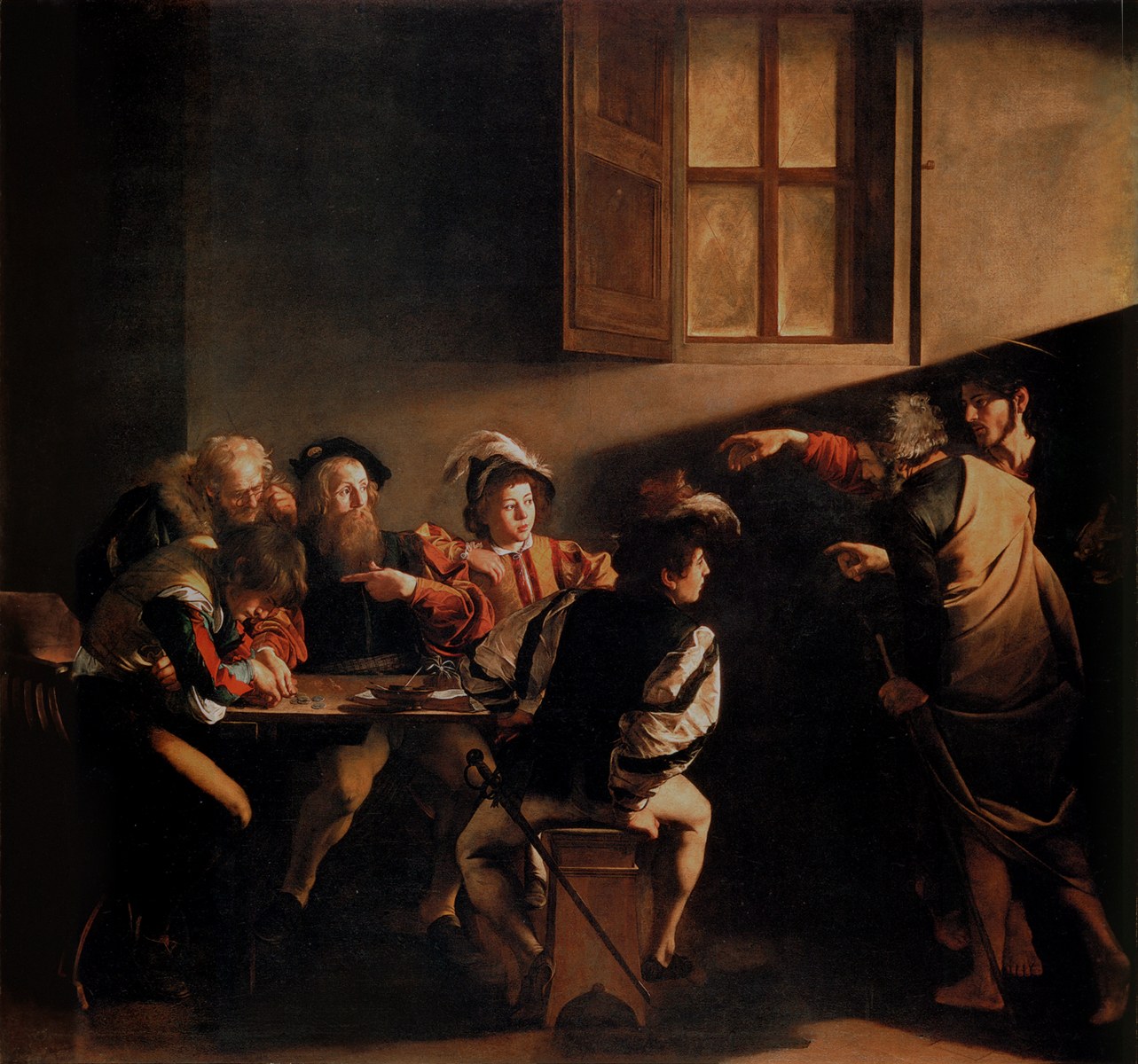
Who: Tax collector (“publican”) called from the tax booth — “Follow me” (Matthew 9:9; Mark 2:14 and Luke 5:27–28 call him Levi); hosts a banquet for Jesus with fellow tax collectors and “sinners” (Matthew 9:10–13). Named “Matthew the publican” in the list (Matthew 10:3). Key moments: The calling at the tax booth; the banquet with tax collectors and “sinners.” Afterward: Scripture: nothing beyond the lists. Tradition: credited since Papias (via Eusebius) with writing the Gospel of Matthew (in Hebrew/Aramaic, per Papias); preached in Judea, then Persia/Ethiopia. Death accounts vary: some of the oldest say he died naturally; others report martyrdom by sword or stabbing in Ethiopia.
Thomas (“Didymus,” the Twin)
Who: Scripture: urges going to Judea with Jesus — “Let us also go, that we may die with him” (John 11:16); asks “how can we know the way?” (John 14:5); absent at Jesus’s first resurrection appearance and demands to touch the wounds — “Doubting Thomas” — then confesses “My Lord and my God!” (John 20:24–29). Key moments: The confession “My Lord and my God!” (John 20:24–29). Afterward: Scripture: listed at Pentecost (Acts 1:13). Tradition: preached east — Parthia, Persia, and India; venerated as founder of the Mar Thoma (St. Thomas) Christians of India’s Malabar/Kerala coast; martyred by spear at Mylapore (near modern Chennai). The apocryphal Acts of Thomas (3rd c.) narrates his Indian mission.
James son of Alphaeus (“James the Less”)
Who: Appears only in the apostle lists. Scholars note: commonly identified with “James the younger/little” whose mother Mary is at the cross and tomb (Mark 15:40; 16:1), but this is inference, not explicit. (Not the same as James the Just, brother of Jesus — though the names have been conflated in some traditions.) Key moments: Named in the apostle lists. Afterward: Scripture: nothing beyond the lists. Tradition: Eastern Orthodox tradition makes him and Matthew sons of Alphaeus (also called Clopas) and Mary of Clopas — hence brothers; preached in Syria/Judea; martyred in Jerusalem — stoned, then beaten/clubbed to death.
Thaddaeus = Judas son of James (Jude)
Who: A naming variation across the lists. Matthew 10:3 and Mark 3:18 list “Thaddaeus” (some manuscripts read “Lebbaeus”); Luke 6:16 and Acts 1:13 list “Judas son of James” (some translations render “Jude, the brother of James”). John 14:22 mentions “Judas (not Iscariot)” asking a question at the Last Supper — taken to be this man. The near-universal scholarly and traditional reading: one man, two names. The short Epistle of Jude is traditionally attributed to him (“Jude… brother of James,” Jude 1). Key moments: The question at the Last Supper (John 14:22). Afterward: Scripture: nothing beyond the lists. Tradition: preached in Edessa and Mesopotamia; martyred in Persia/Armenia — accounts vary (arrows, axe, clubbing), often said to have died alongside Simon the Zealot. Patron of lost causes in Catholic devotion.
Simon the Zealot
Who: Listed as “Simon the Cananaean/Canaanite” (Matthew 10:4; Mark 3:18 — from Aramaic qan’ana, “zealous,” not Canaan) and “Simon who was called the Zealot” (Luke 6:15; Acts 1:13). Scholars note: “Zealot” here likely denotes his prior association with the anti-Roman Zealot movement — making his fellowship with Matthew the tax collector, a Roman collaborator by trade, a striking pairing, though the Gospels never comment on it. Key moments: Named in the apostle lists. Afterward: Scripture: nothing beyond the lists. Tradition: preached in Persia with Jude/Thaddaeus; martyred there — accounts vary: sawn in half, crucified, or killed with Jude. Some traditions place his death in Britain or the Black Sea region.
Judas Iscariot
Who: Scripture: the betrayer, “son of Simon Iscariot” (John 6:71); keeper of the money bag who stole from it (John 12:6); agrees to betray Jesus for thirty pieces of silver (Matthew 26:14–16); identified at the Last Supper by the dipped morsel (John 13:26); betrays with a kiss at Gethsemane (Matthew 26:47–49). “Iscariot” likely means “man from Kerioth” (a Judean town) — scholars note this would make him the only non-Galilean among the Twelve; alternative derivations (Sicarius/dagger-man) are debated. Key moments: The thirty pieces of silver (Matthew 26:14–16); the dipped morsel (John 13:26); the kiss at Gethsemane (Matthew 26:47–49). Afterward: Scripture gives two accounts of his death, and the texts do not harmonize them: Matthew 27:3–10 — remorseful, he returns the silver, hangs himself; the priests buy the “Field of Blood.” Acts 1:18 — he buys a field with the reward, falls headlong, and bursts open. The discrepancy is simply present. He was replaced by Matthias, chosen by lot (Acts 1:21–26); tradition says Matthias preached in Judea/Colchis and was stoned and beheaded.
Family
Mary, mother of Jesus
Who: Scripture: the Annunciation — the angel Gabriel tells the virgin Mary she will conceive by the Holy Spirit (Luke 1:26–38); her song, the Magnificat (Luke 1:46–55); the Nativity and shepherds (Luke 2:1–20); presents Jesus at the Temple (Luke 2:22–38); prompts his first sign at Cana — “Do whatever he tells you” (John 2:1–11); seeks him during his ministry with his brothers (Mark 3:31–35); stands at the cross, where Jesus entrusts her to the Beloved Disciple (John 19:25–27); prays with the disciples after the Ascension (Acts 1:14). Key moments: The Annunciation (Luke 1:26–38); Cana (John 2:1–11); the cross (John 19:25–27). Afterward: Scripture: no further narrative after Acts 1:14. Tradition: Catholic and Orthodox churches hold her perpetual virginity (virgin before, during, and after Jesus’s birth) and her holy death — the Dormition (Orthodox feast) / Assumption bodily into heaven (defined as Catholic dogma in 1950). A tradition places her later years in Ephesus under John’s care; the “House of the Virgin Mary” near Ephesus is a pilgrimage site.
Joseph
Who: Scripture: betrothed to Mary; called “a righteous man,” plans a quiet divorce until the angel’s dream (Matthew 1:18–25); takes the family to Egypt to escape Herod and back to Nazareth after further dreams (Matthew 2:13–23); goes to Bethlehem for the census (Luke 2:1–7); presents Jesus at the Temple (Luke 2:22–24); searches Jerusalem for the 12-year-old Jesus (Luke 2:41–52). A carpenter by trade (Matthew 13:55 calls Jesus “the carpenter’s son”; Mark 6:3 calls Jesus himself “the carpenter”). Key moments: The angel’s dream (Matthew 1:18–25); the flight to Egypt (Matthew 2:13–23); finding the 12-year-old in the temple (Luke 2:41–52). Afterward: Scripture: Joseph disappears from the narrative after Luke 2 — absent at the wedding at Cana, at the cross (where Jesus entrusts Mary to John, implying Joseph is dead). Tradition: died before Jesus’s public ministry; venerated as patron of workers and of a happy death. The 2nd-century Protoevangelium of James depicts him as an older widower — the basis of the Orthodox “stepbrother” reading below.
Jesus’s brothers and sisters — and James the Just
Who: Scripture says the people of Nazareth name his brothers James, Joses (Joseph), Simon, and Judas, and mention unnamed sisters (Matthew 13:55–56; Mark 6:3). During the ministry the brothers are skeptical (John 7:5 — “not even his brothers believed in him”); after the resurrection they are among the believers (Acts 1:14). James — “James the Lord’s brother” (Galatians 1:19) — becomes the leader of the Jerusalem church: he presides at the Jerusalem Council (Acts 15:13–21), is named a “pillar” (Galatians 2:9), and receives a resurrection appearance (1 Corinthians 15:7). Scripture-adjacent history: the Jewish historian Josephus records that James “the brother of Jesus” was stoned on the high priest Ananus’s orders c. AD 62 (Antiquities 20.9.1). The Epistle of James is traditionally attributed to him; he is called James the Just in early church tradition (Hegesippus, via Eusebius). Key moments: Named at Nazareth (Matthew 13:55–56; Mark 6:3); James presides at the Jerusalem Council (Acts 15:13–21). Afterward: The meaning of “brothers” is read three ways — labeled honestly: Catholic (following Jerome): the “brothers” are close relatives — cousins, children of another Mary (e.g., Mary of Clopas); adelphos can mean kinsman, and Aramaic lacked a word for cousin. Orthodox: they are Joseph’s children by a previous marriage — Jesus’s stepbrothers (drawing on the Protoevangelium of James); this preserves Mary’s perpetual virginity, which Orthodoxy also holds. Protestant (majority): they are Jesus’s younger half-brothers, children of Mary and Joseph born after Jesus; the natural reading of adelphos, and the New Testament never calls Mary perpetually virgin. Scholars note: the same verses underlie all three readings; the disagreement is about language, culture, and theology, not about what the text lists.
Forerunner & witnesses
John the Baptist
Who: Scripture: son of the priest Zechariah and Elizabeth, Mary’s relative (Luke 1); born after Gabriel’s announcement (Luke 1:5–25, 57–66). A prophet in the wilderness of Judea, preaching repentance and baptizing in the Jordan — including Jesus himself (Matthew 3:1–17; Mark 1:2–11; Luke 3:1–22; John 1:19–34). “Behold, the Lamb of God” (John 1:29); “He must increase, but I must decrease” (John 3:30). Jesus calls him the promised Elijah (Matthew 11:14) and says “among those born of women there has not risen anyone greater” (Matthew 11:11). From prison he sends disciples to ask, “Are you the one?” (Matthew 11:2–6; Luke 7:18–23). Key moments: Baptizing Jesus (Matthew 3:1–17; Mark 1:2–11; Luke 3:1–22; John 1:19–34); “Behold, the Lamb of God” (John 1:29). Afterward: Scripture: imprisoned by Herod Antipas for denouncing Antipas’s marriage to Herodias, his brother Philip’s wife, as unlawful (Matthew 14:3–4; Mark 6:17–18; Luke 3:19–20); beheaded at Herodias’s daughter’s request after her dance at Antipas’s birthday banquet — the daughter is unnamed in the Gospels (Matthew 14:6–12; Mark 6:21–29). Herod had feared John as “a righteous and holy man” (Mark 6:20). Josephus (historical, non-Christian source): Antipas imprisoned and executed John at the fortress of Machaerus east of the Dead Sea, fearing John’s popular influence might spark rebellion (Antiquities 18.5.2 / 18.116–119); Josephus names Herodias’s daughter Salome. The Gospels don’t name Machaerus; the accounts complement rather than contradict each other.
Mary Magdalene
Who: Scripture says: “Mary called Magdalene, from whom seven demons had gone out” (Luke 8:2) — no mention of sexual sin or prostitution; she and other women supported Jesus’s ministry “out of their own means” (Luke 8:1–3); she stands at the cross when most male disciples have fled (John 19:25; Matthew 27:55–56); watches the burial (Matthew 27:61); comes first to the empty tomb and is the first witness of the risen Jesus, who sends her to tell the disciples — “I have seen the Lord!” (John 20:1–18; cf. Matthew 28:1–10; Mark 16:1–11). The early church titled her apostola apostolorum — “apostle to the apostles.” Key moments: First witness of the risen Jesus (John 20:1–18); at the cross (John 19:25). Afterward: Scripture: nothing after the resurrection accounts. A correction, not Scripture: in a sermon in 591 AD, Pope Gregory the Great conflated three distinct women — Mary Magdalene, the unnamed “sinful woman” who anoints Jesus’s feet in Luke 7:36–50, and Mary of Bethany (John 12) — declaring them one person and implying a sexually sinful past. The Gospels never make this identification. The Eastern Orthodox churches never accepted the conflation. The Catholic Church corrected it in 1969 (Paul VI removed “penitent” from her liturgical references and separated the three women), and in 2016 Pope Francis raised her feast to the same rank as the apostles’. Tradition: Western medieval legend says she evangelized southern France (relic cult at Saint-Maximin/Vézelay); Orthodox tradition makes her a myrrh-bearer who preached in Rome and Ephesus.
Authorities
Pontius Pilate
Who: The Roman prefect (governor) of Judea who presides over Jesus’s trial in all four Gospels. Scripture: interrogates Jesus — “What is truth?” (John 18:38); declares “I find no fault in him” (John 18:38; Luke 23:4); offers Barabbas under the Passover custom (Mark 15:6–15); washes his hands — “I am innocent of this man’s blood” (Matthew 27:24, Matthew only); orders the crucifixion; his wife warns him in a dream to “have nothing to do with that righteous man” (Matthew 27:19); sets the titulus “King of the Jews” / INRI (John 19:19–22); releases the body to Joseph of Arimathea (Mark 15:43–45). Luke alone has Pilate send Jesus to Herod Antipas (Luke 23:6–12). Key moments: “What is truth?” (John 18:38); the hand-washing (Matthew 27:24). Afterward: History: prefect of Judea c. AD 26–36 under Tiberius (attested by a 1961 inscription at Caesarea Maritima naming him praefectus). Josephus and Philo portray him as ruthless and insensitive to Jewish religious feeling (the standards incident, the aqueduct riot). Tacitus confirms: “Christus… suffered the extreme penalty during the reign of Tiberius at the hands of one of our procurators, Pontius Pilatus” (Annals 15.44). Removed in AD 36 after his massacre of Samaritans on Mount Gerizim (Josephus, Antiquities 18.4) and replaced by Marcellus. History is silent after his recall. Tradition diverges: Eusebius says he fell into misfortune under Caligula, was exiled to Vienne in Gaul, and committed suicide; the apocryphal Mors Pilati embroiders the suicide with legends (body thrown in the Tiber, then Lake Lucerne — origin of the Mount Pilatus name). Other traditions rehabilitate him: some Eastern churches (Coptic, Ethiopian) venerate Pilate as a saint and martyr-convert; his wife — named Claudia Procula only in tradition, unnamed in Scripture — is venerated as a saint in the Greek tradition.
Herod Antipas
Who: Son of Herod the Great; tetrarch (not king) of Galilee and Perea, 4 BC–AD 39. Key moments: Imprisoned and beheaded John the Baptist over John’s condemnation of his marriage to Herodias, his brother’s wife (Matthew 14:1–12; Mark 6:14–29; Luke 3:19–20); feared John had risen when he heard of Jesus (Mark 6:14–16); some Pharisees warn Jesus that “Herod wants to kill you,” and Jesus replies, “Go tell that fox…” (Luke 13:31–32); Pilate sends the Galilean Jesus to Antipas during the trial — Antipas hopes for a miracle, then mocks Jesus and sends him back, and Pilate and Herod become friends that day (Luke 23:6–12; cf. Acts 4:27). Afterward: Josephus records that in AD 39, after a complaint by Herod Agrippa I, the emperor Caligula deposed and exiled Antipas to Gaul; he died in exile. (Herodias chose exile with him.)
Caiaphas (Joseph Caiaphas)
Who: Scripture: the serving high priest who presides over the nighttime trial of Jesus — “Caiaphas, the high priest” (Matthew 26:57; Mark 14:53; Luke 22:54; John 18:13–24); earlier he uttered the prophecy “it is expedient for you that one man die for the people” (John 11:49–52; cf. 18:14); son-in-law of the former high priest Annas (John 18:13); also named among the authorities opposing the apostles after the resurrection (Acts 4:6). Key moments: The nighttime trial (Matthew 26:57; Mark 14:53; Luke 22:54; John 18:13–24); “it is expedient for you that one man die for the people” (John 11:49–52). Afterward: History: Josephus identifies him as Joseph, called Caiaphas, high priest AD 18–36/37 (Antiquities 18.35) — installed and long retained by the Roman prefects (Valerius Gratus, then Pilate), which signals a cooperative relationship with Rome. In 1990 an ornate ossuary inscribed “Yehosef bar Qayafa” (“Joseph son of Caiaphas”) was found in a Jerusalem burial cave; it is widely (though not universally) associated with the high priest — the identification is probable, not certain. Deposed by the Syrian legate Vitellius in AD 36/37 along with Pilate’s removal (Josephus, Antiquities 18.4.3); nothing further is recorded of him.
Joseph of Arimathea
Who: Scripture says: “a rich man from Arimathea” who had become a disciple of Jesus (Matthew 27:57); “a respected member of the council” (Sanhedrin) who “had not consented” to Jesus’s condemnation, “a good and upright man” awaiting the kingdom (Mark 15:43; Luke 23:50–51); “a disciple of Jesus, but secretly for fear of the Jews” (John 19:38). Key moments: Boldly asks Pilate for Jesus’s body; wraps it in clean linen and lays it in his own new rock-hewn tomb (Matthew 27:59–60; Mark 15:43–46; Luke 23:50–53); assisted by Nicodemus with spices (John 19:38–42). Afterward: Scripture: nothing more. Tradition: venerated as a saint; medieval legend (12th c., Robert de Boron onward) credits him with bringing the Holy Grail to Britain/Glastonbury — pure legend, no historical basis.
Nicodemus
Who: Scripture (John only): “a man of the Pharisees… a ruler of the Jews” (John 3:1) — i.e., a Pharisee and Sanhedrin member. Key moments: Visits Jesus by night: the “born again / born from above” dialogue, source of John 3:16 (John 3:1–21); protests in the Sanhedrin — “Does our law judge a man without first giving him a hearing?” (John 7:50–52); at the burial brings “a mixture of myrrh and aloes, about a hundred pounds” (~75 modern lbs) and helps Joseph wrap the body (John 19:39–42) — a lavish, royal-scale burial gift. Afterward: Scripture: nothing more. Tradition: venerated as a saint (feast in Catholic and Orthodox calendars); the apocryphal Gospel of Nicodemus / Acts of Pilate is attributed to his name (not his authorship).
Groups
Pharisees
Who: “Separated ones.” The popular lay religious party — Torah scholars and teachers influential with the common people. Key moments: Jesus’s most frequent dialogue partners and critics — Sabbath disputes, hand-washing, the “woes” of Matthew 23. But not monolithic: Nicodemus (John 3), Gamaliel (Acts 5:34), and Paul himself (Philippians 3:5) were Pharisees, and some hosted Jesus for meals (Luke 7:36; 11:37). Afterward: Held to both the written Torah and the oral tradition of interpretation; believed in the resurrection of the dead, angels, and the afterlife (Acts 23:8); expected a Messiah who would restore Torah observance.
Sadducees
Who: The priestly aristocracy centered on the Temple in Jerusalem; dominated the Sanhedrin and supplied the high priests (Annas, Caiaphas). Key moments: Named among the authorities in the trial narratives and in opposition to the apostles after the resurrection (Acts 4:6); their rejection of the resurrection surfaces in debate with Jesus (Matthew 22:23–33). Afterward: Theologically conservative — accepted only the written Torah (rejecting oral tradition) and denied the resurrection, angels, and spirits (Acts 23:8); politically accommodating to Rome, since cooperation protected their Temple power base. Faded after the Temple’s destruction in AD 70 removed their institutional center.
Essenes
Who: Not named anywhere in the New Testament. A separatist, rigorist sect that withdrew to desert communities — most famously Qumran by the Dead Sea, widely associated with the Dead Sea Scrolls (discovered 1947). Practiced communal living, strict ritual purity, and (mostly) celibacy; apocalyptic worldview, viewing the Jerusalem Temple establishment as corrupt. Key moments: None in the Gospels — the name never appears in the New Testament. Afterward: Scholars note: John the Baptist’s desert asceticism resembles Essene practice, and the resemblance is much discussed, but no text makes him an Essene — the link is inference, not evidence.
Zealots
Who: The anti-Roman resistance movement: Jews who held that paying tribute to Rome and submitting to Gentile rule violated God’s sole kingship, and who backed armed revolt. Founded in the census revolt of AD 6 by Judas of Galilee (Acts 5:37); the extremist Sicarii (“dagger-men”) assassinated Romans and collaborators in crowds. Key moments: Simon the Zealot among the Twelve likely came from this milieu. Afterward: The movement culminated in the Jewish Revolt of AD 66–73 (Masada).
Samaritans
Who: Not a Jewish sect but a separate Israelite people: descendants of the northern kingdom’s population intermingled with settlers brought by the Assyrians after the fall of Samaria (722 BC; 2 Kings 17:24–41). Accepted only the Pentateuch as Scripture (in their own version) and worshiped on Mount Gerizim rather than in Jerusalem — a schism deepened when the Maccabean ruler John Hyrcanus destroyed their Gerizim temple (128 BC). By Jesus’s day, “Jews have no dealings with Samaritans” (John 4:9). Key moments: Jesus’s parables and encounters deliberately cross this hatred: the Good Samaritan (Luke 10:25–37), the Samaritan woman at the well (John 4), the thankful Samaritan leper (Luke 17:11–19), and the Samaritan village that rejects him (Luke 9:51–56). Afterward: A tiny Samaritan community survives today near Nablus/Mount Gerizim.
(Also encountered in the Gospels: the scribes — professional Torah scholars/copyists, often aligned with the Pharisees; and the Sanhedrin — the Jerusalem council of chief priests, elders, and scribes that tried Jesus.)
Memorable minor figures
Martha and Mary of Bethany
Who: Sisters of Lazarus, living at Bethany near Jerusalem; close friends of Jesus. Key moments: Martha hosts Jesus while Mary sits at his feet listening — Martha’s complaint prompts “Martha, Martha… Mary has chosen the good portion” (Luke 10:38–42). At Lazarus’s death, Martha runs to meet Jesus and makes one of the Gospels’ great confessions — “Yes, Lord; I believe that you are the Christ, the Son of God” (John 11:21–27); Mary weeps, and “Jesus wept” (John 11:28–35). Six days before Passover, Mary anoints Jesus’s feet with costly nard and wipes them with her hair; Judas objects at the waste, and Jesus defends her (John 12:1–8). Afterward: This anointing is by Mary of Bethany — a distinct event and person from both the unnamed “sinful woman” of Luke 7:36–50 and Mary Magdalene; the three are often wrongly merged (see Mary Magdalene above).
Lazarus
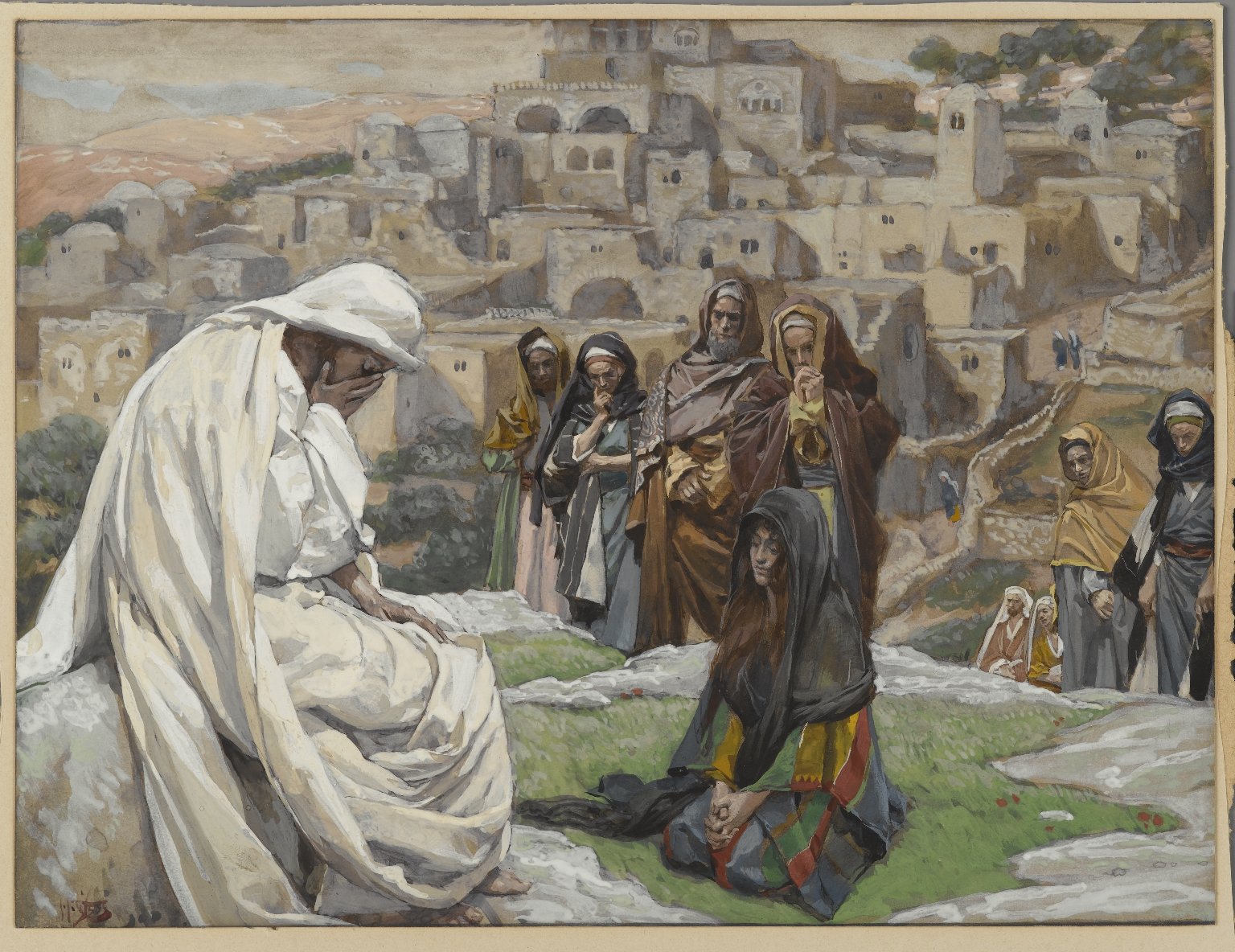
Who: Brother of Martha and Mary, of Bethany. Key moments: Jesus’s friend, dead four days in the tomb; Jesus raises him at Bethany — “Lazarus, come out!” — the climactic seventh sign in John, which directly precipitates the plot to kill Jesus (John 11:1–53). Reclines with Jesus at the anointing supper; the chief priests then plot to kill him too, “because on account of him many of the Jews were going away and believing in Jesus” (John 12:9–11). Afterward: Scripture: nothing further. Tradition: Orthodox tradition makes him bishop of Kition (Larnaca) in Cyprus, where the Church of Saint Lazarus stands.
Zacchaeus
Who: Scripture (Luke 19:1–10): a chief tax collector of Jericho — rich, and “small in stature”; climbs a sycamore tree to see Jesus over the crowd. Key moments: Jesus invites himself to Zacchaeus’s house — “I must stay at your house today”; Zacchaeus pledges half his goods to the poor and fourfold restitution to anyone defrauded; Jesus: “Today salvation has come to this house… For the Son of Man came to seek and to save the lost” (Luke 19:10 — the verse many take as Luke’s mission statement). Afterward: Scripture: nothing further. (Some later traditions name him a bishop — not verified; no early source located.)
The Samaritan woman at the well
Who: Scripture (John 4:1–42): unnamed; meets Jesus at Jacob’s well near Sychar at noon. Key moments: The longest recorded conversation of Jesus with any individual: “living water,” true worship “in spirit and truth,” her five husbands exposed, and her recognition — “I know that Messiah is coming” / “I who speak to you am he.” She evangelizes her town, and many Samaritans believe — crossing the Jew–Samaritan and male–female boundaries of the day. Afterward: Tradition: the Orthodox Church names her Photina (Photini) and venerates her as a martyr under Nero.
Bartimaeus
Who: Scripture (Mark 10:46–52): a blind beggar at Jericho — Mark names him, “Bartimaeus (son of Timaeus).” Key moments: Cries out, “Jesus, Son of David, have mercy on me!” despite the crowd’s rebuke; throws off his cloak, and at Jesus’s “What do you want me to do for you?” asks for sight: “Go your way; your faith has made you well.” He follows Jesus “on the way” — Mark’s last healing before the Triumphal Entry. (Matthew 20:29–34 has two blind men; Luke 18:35–43 places the healing at Jericho’s entrance with the man unnamed.) Afterward: Scripture: nothing further.
Source notes
- Apostle lists and variants: https://www.biblegateway.com/passage/?search=Matthew%2010%3A2-4%2CLuke%206%3A13-16&version=AMP;NIV
- https://en.wikipedia.org/wiki/Twelve_apostles
- https://4enoch.org/wiki5/index.php/Twelve_Apostles
- Apostolic fates (tradition): https://cms.evangelicalfocus.com/blogs-cms/32457/Those_crosses ; https://www.studycountry.com/wiki/why-was-st-andrew-crucified ; http://prenicea.net/doc2/23828-en-01.pdf
- Mary Magdalene / Gregory 591 / 1969 correction: https://cxainc.com/edition/was-mary-magdalene-a-sinner-or-a-saint-artists-weigh-in/ ; https://www.wcbe.org/2017-04-16/a-look-centuries-old-misconceptions-about-mary-magdalene?_amp=true ; https://evidence-for-the-bible.com/start-here/was-mary-magdalene-really-a-prostitute-the-church-got-this-wrong-for-1400-years/
- John the Baptist / Machaerus / Josephus: http://www.8thworker.us/2020/08/the-beheading-of-saint-john-baptist-on.html ; https://Freely-Given.org/OBD/dct/Machaerus.htm ; https://en.wikipedia.org/wiki/Herod_Antipas
- “Brothers” of Jesus / denominational readings: https://evidence-for-the-bible.com/evidence-for-the-bible/exegetical-evidence-for-the-bible/why-do-catholics-believe-mary-was-a-perpetual-virgin-if-james-was-jesus-brother/ ; http://home.dimacs.rutgers.edu/~asills/ApostlesBrothers/ApostlesBrothersRev3.pdf
- Pilate: https://www.nationalgeographic.com/history/article/who-was-the-real-pontius-pilate-christianity-trial-of-jesus ; https://4enoch.org/wiki5/index.php/Category:Pilate_(subject) ; https://www.FactMonster.com/encyclopedia/religion/bible/bios/pontius-pilate
- Caiaphas / ossuary: https://cojs.org/ossuary_of_the_high_priest_caiaphas-_18-36_ce/ ; https://israelbylocals.com/the-ossuary-of-caiaphas/
- Nicodemus: https://soh.church/blog/nicodemus-in-the-bible/ ; https://versebyversecommentary.com/2018/07/19/john-1939f/
- Groups: https://teachonereachone.org/explaining-the-groups-in-the-new-testament/ ; https://www.slideserve.com/dior/first-century-jewish-sects-and-the-second-temple
- Samaritans: https://www.storyofbible.com/the-samaritan-pentateuch.html ; https://en.wikisource.org/wiki/1911_Encyclop%C3%A6dia_Britannica/Samaritans
Limitations
- Exact itinerary details of individual apostles’ missions (India, Armenia, Persia, Ethiopia) rest entirely on late apocryphal acts and local traditions — no contemporary corroboration; treat all specifics as tradition, not history.
- The Caiaphas ossuary association (“Yehosef bar Qayafa,” found 1990): widely accepted but debated by some scholars; the identification is probable, not certain.
- Whether the “beloved disciple” is John son of Zebedee is traditional, not explicit in the Gospel text; a minority of scholars proposes alternatives.
- Mary Magdalene’s later life (France legend vs. Ephesus tradition) — both are medieval/patristic traditions with no early attestation.
- Zacchaeus’s later career (some traditions name him a bishop) — not verified; no early source located.
- The precise site of John’s execution: Josephus says Machaerus; the Gospels give no location; Mark’s banquet setting has led some to argue for a Galilean venue — unresolved.
- The “Lebbaeus” vs “Thaddaeus” manuscript variation in Matthew 10:3 was noted from search results; worth confirming against a critical Greek text if precision matters.
- Gospel chapter-verse precision for every apostle anecdote was drawn from well-known passages without re-verifying each against an online Bible; a verse-level audit pass would harden the file.
- Patristic sources (Papias, Hegesippus, Eusebius, Tertullian, Clement) are cited at second hand; primary-text verification was not done.
- No images were collected (out of scope for the research task).