Fashion & Coverage
The clothes got the headlines; the projects got the footnotes. Both are on the record.
The “Meghan effect”
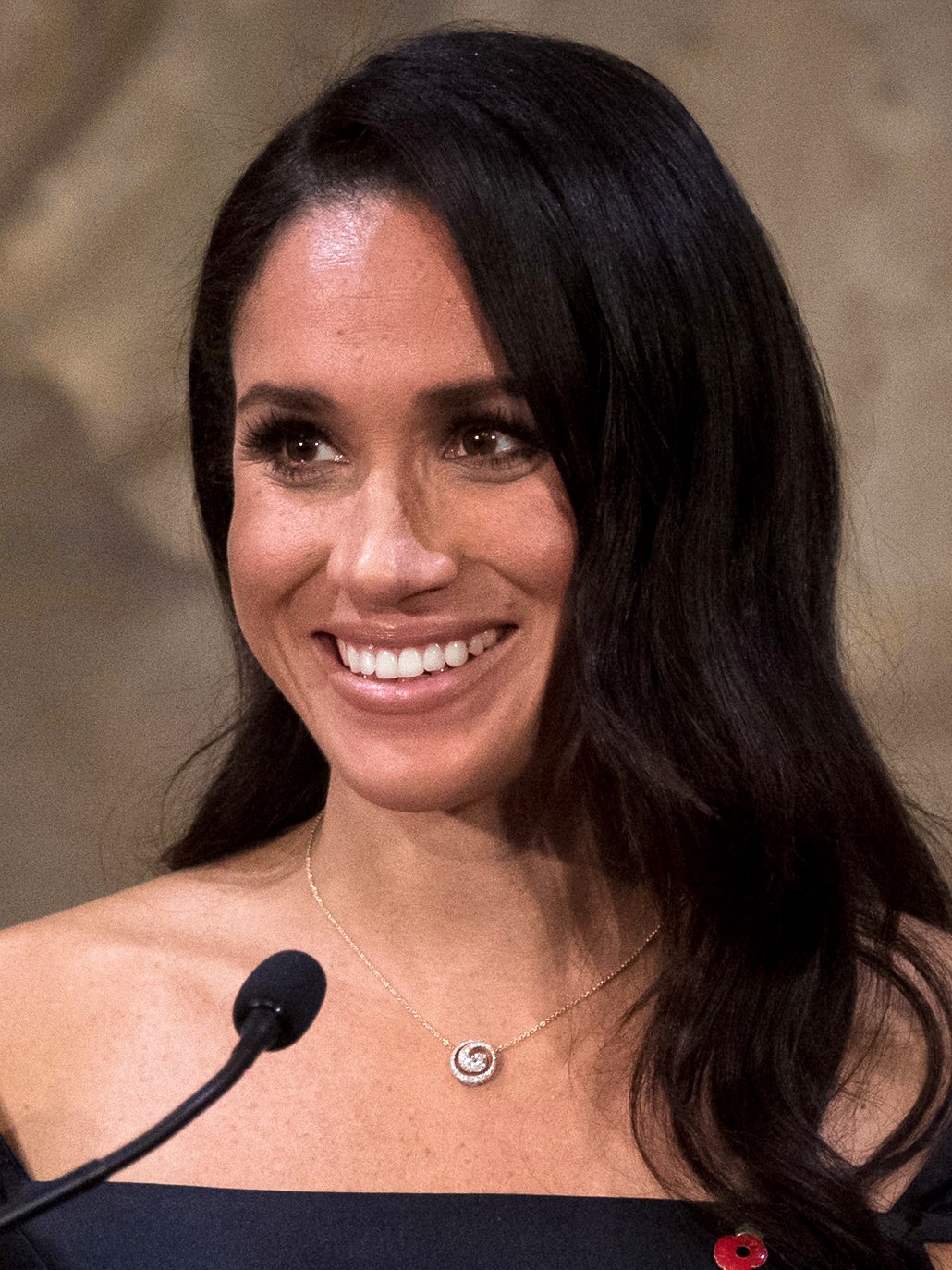
From the engagement onward, items she wore were widely reported to sell out — the press dubbed it the “Meghan effect,” after the earlier “Kate effect.” Retailers and brands reported spikes; fashion press tracked her outfits engagement by engagement. The phenomenon is well documented as a media-and-retail pattern, even where individual sell-out claims are hard to audit.
The cost discourse
A parallel press genre tallied the cost of her outfits — tour wardrobes, the wedding dress (reported figures for the Givenchy gown were never confirmed by the palace or the house), maternity clothes. The tallies were real articles; their figures were usually estimates from fashion editors, not confirmed prices. This site does not repeat them as fact.
Substance vs. spectacle
The coverage pattern is itself part of the story:
- What got covered most: outfits, spending, palace relationships.
- What got covered least: the mechanics of her actual projects — the Smart Set’s donation model, the Hubb kitchen’s funding, the Welcome Project’s structure.
Her own 2019 Vogue guest editorship (“Forces for Change”) can be read as a response: fifteen women chosen for their work, not their wardrobes. And the Smart Set collection — workwear for job interviews, sold out, with donations built in — fused the fashion interest with the charitable purpose directly.
A neutral observation
Fashion coverage of public women is not unique to Markle, and the “effect” named for her reflects genuine consumer behavior. But any account that treats the wardrobe tallies as the substance of her public life is mistaking the coverage for the record. The projects are listed on Philanthropy Record; the clothes are not the biography.
Source notes
- “Meghan effect” sell-outs: contemporary fashion-press reporting, 2017–2019.
- Cost tallies: press estimates, flagged as unconfirmed; wedding-dress figures never confirmed.
- Vogue “Forces for Change” (Sept 2019); Smart Set (Sept 2019): the published issue and launch coverage.