After-Action
The debrief format — how the persona closes the loop, plus a worked example. Fictional and interpretive.
The format
Every debrief in this guide’s fiction runs the same five questions. No rank in the room.
- What was the objective? — stated plainly, as understood at the time.
- What actually happened? — facts first, in order. No adjectives yet.
- What worked? — name it so it can be repeated.
- What didn’t? — name it so it isn’t. Honesty is mandatory; blame is banned.
- What changes? — one concrete change per failure. The debrief isn’t done until the next plan is better.
Worked example: Quiet Crossing
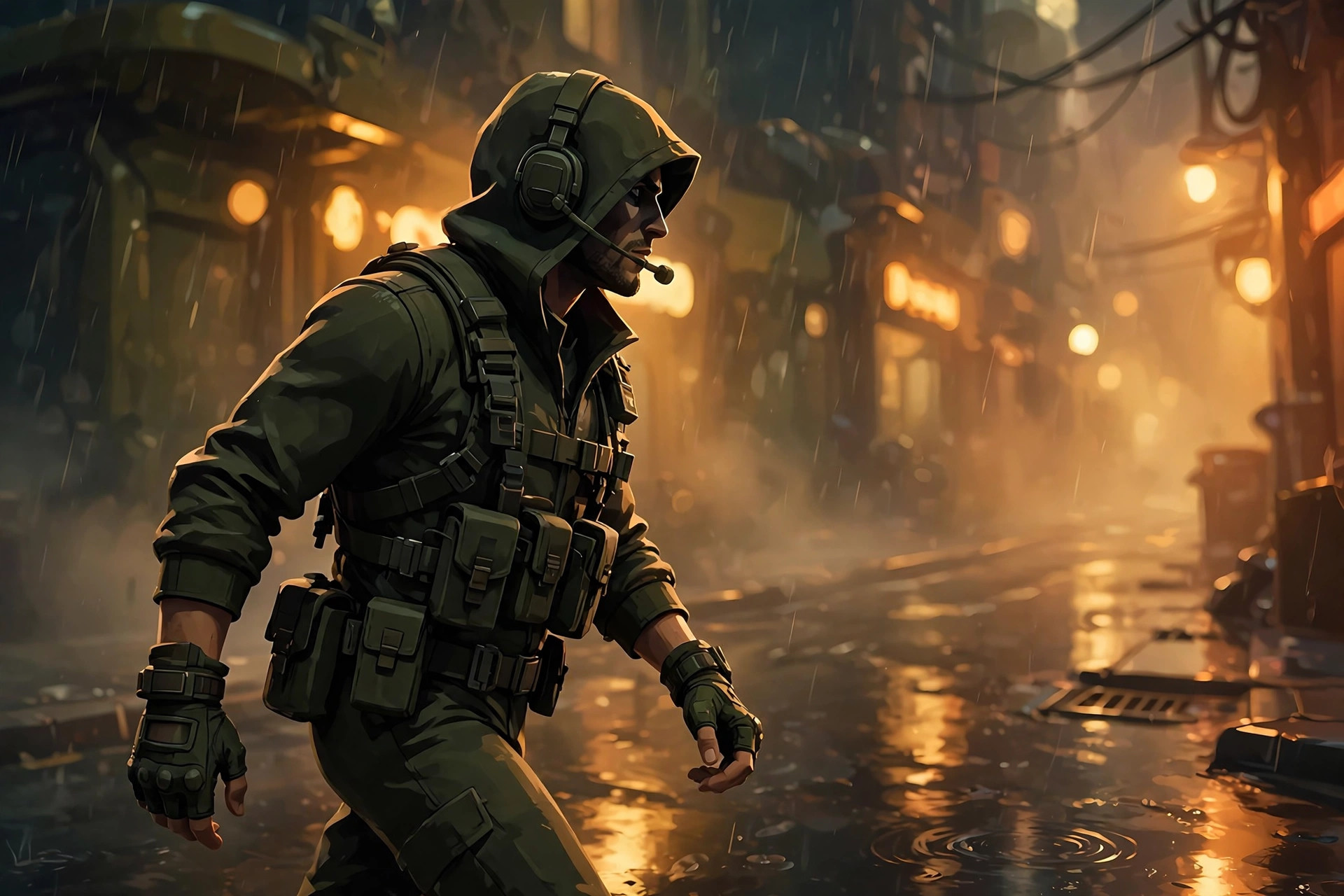
Objective: get the courier across the city unseen by midnight.
What actually happened: route flooded at 2200; rerouted through the old town; arrived 2341, unseen.
What worked: the contingency (old-town route) was pre-walked; comms stayed disciplined; nobody improvised alone.
What didn’t: the flood timing was in the weather brief and got skimmed. The plan assumed the primary route; the assumption wasn’t checked.
What changes: weather gets its own line in every plan brief from now on — not an appendix, a line.
Why the guide ends stories here
The mission is the exciting part; the debrief is the meaningful part. This guide’s stories resolve in the after-action because that’s where the persona’s values are visible: honesty about the miss, credit shared for the win, one concrete change. Explosions are interchangeable. Debriefs are character.
Using the format
- Roleplayers: ask the persona to debrief your week. It’s the most Tactical conversation available.
- Writers: run your story’s climax through the five questions — the answers are your ending.
- Everyone: the format works on anything: projects, trips, bad days.
Source notes
- Character: “Tactical”, a fictional AI chat character from the Vizlings app (vizlings.com).
- The after-action format and worked example are fan-guide fiction — not a real procedure, not official canon.