Start Here
Five minutes on who Prince Harry is, what the public record says, and how this reference site handles the parts that are disputed.
The one-paragraph version
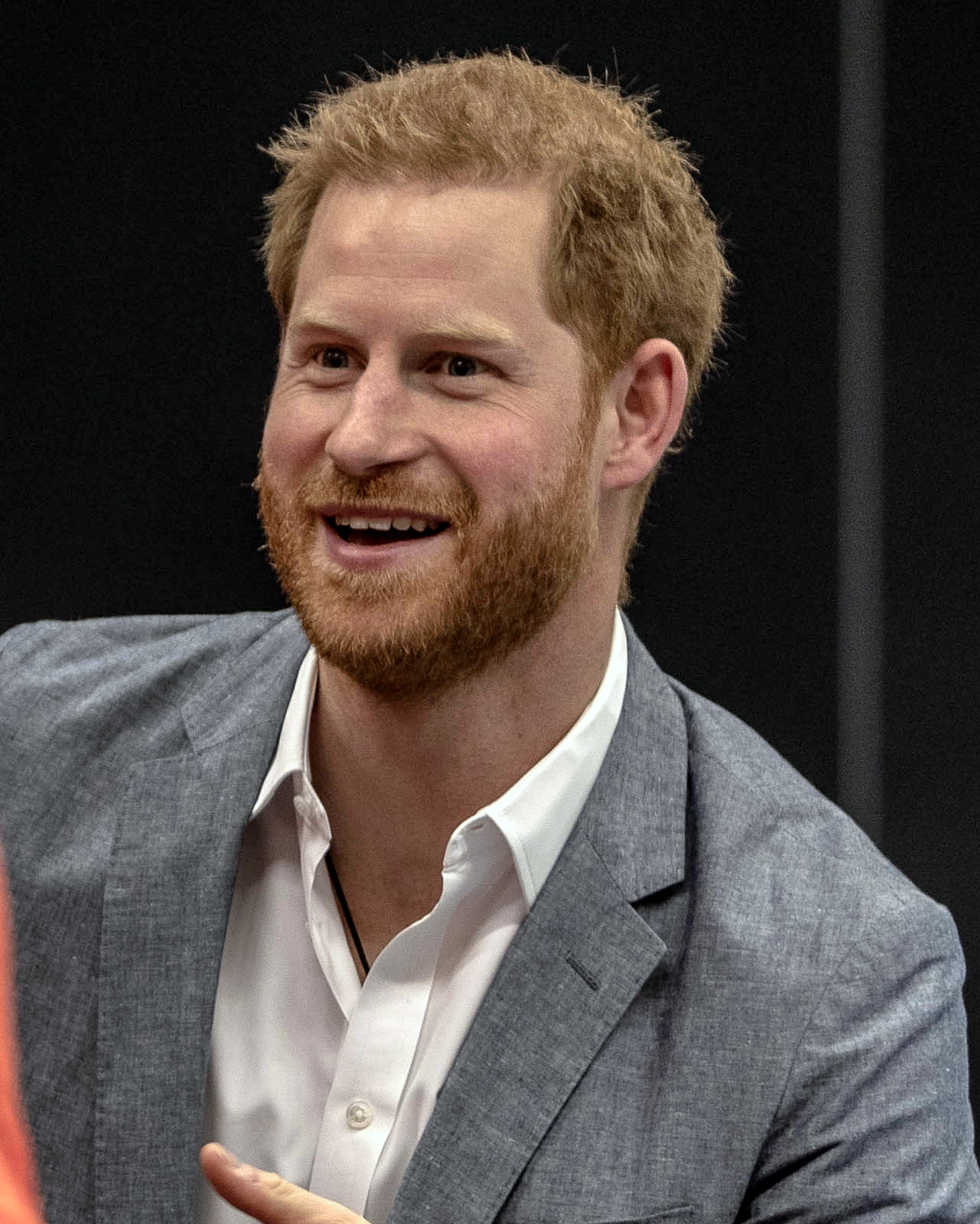
Prince Harry (Henry Charles Albert David), Duke of Sussex, born 15 September 1984, is the younger son of King Charles III and the late Diana, Princess of Wales. He spent ten years as a British Army officer — including two tours of Afghanistan — founded the Invictus Games for wounded service personnel in 2014, and married the American actress Meghan Markle in 2018. In January 2020 the couple stepped back from senior royal duties, moved to North America, and built an independent media and philanthropy operation (Archewell). He is fifth in line to the British throne.
The three eras of the public record
- The prince (1984–2005). Born into the royal family; Diana’s death in 1997, when he was 12, shaped his public image and, by his own account, his private life.
- The soldier (2005–2015). Sandhurst, the Blues and Royals, forward air controller on his first Afghanistan tour (2007–08), Apache co-pilot/gunner on his second (2012–13). The military record is the least contested part of his biography — it is documented by the Ministry of Defence.
- The veteran and advocate (2015–present). The Invictus Games, Heads Together, Sentebale, and — after 2020 — an independent public life documented through interviews, a memoir (Spare, 2023), and court records from his privacy cases against British newspapers.
How to read the disputed parts
This site uses three labels, and it uses them consistently:
- The public record — dates, documents, court judgments, official statements.
- Harry’s account — what he has said in interviews and in Spare; presented as his account, not as established fact.
- Reported — what the press has claimed; attributed to the outlet, with denials noted where they exist.
Anything that doesn’t fit one of these categories gets flagged in the text.
Suggested reading order
- Biography — the full documented arc.
- Timeline — eighteen key dates.
- Military Service — the Sandhurst-to-Afghanistan years in detail.
- The Invictus Games — how the Games were founded and what they became.
- Sayings — verbatim, cited quotations.
- Reception — myths vs. evidence.
Source notes
- Framework and labels follow methodology.md. Facts here are expanded with citations in biography.md, timeline.md, and the ten deep-dive pages.