The Naval Career, 1979–2001
Twenty-two years in the Royal Navy, from Dartmouth midshipman to Commander — including active combat service as a helicopter pilot in the Falklands War. The best-documented chapter of his life.
On the record
Training (1979–1981)
The Royal Household announced in November 1978 that Andrew would join the Royal Navy. He signed on for twelve years from 11 May 1979, was appointed midshipman on 1 September 1979, and entered Britannia Royal Naval College, Dartmouth. He completed the Royal Marines All Arms Commando Course — earning the coveted green beret — and was commissioned sub-lieutenant on 1 September 1981.
Elementary flying training followed with the RAF at RAF Leeming, then basic naval flying at HMS Seahawk on the Gazelle helicopter. Awarded his wings, he advanced to the Sea King and completed operational flying training, joining 820 Naval Air Squadron aboard the carrier HMS Invincible.
The Falklands War (April–June 1982)
When Argentina invaded the Falkland Islands on 2 April 1982, Invincible — one of only two operational carriers available — sailed with the task force. Andrew’s presence aboard alarmed the government: the risk of a prince being killed in action prompted the Cabinet to seek a desk posting for the duration. The Queen insisted he remain with his ship.
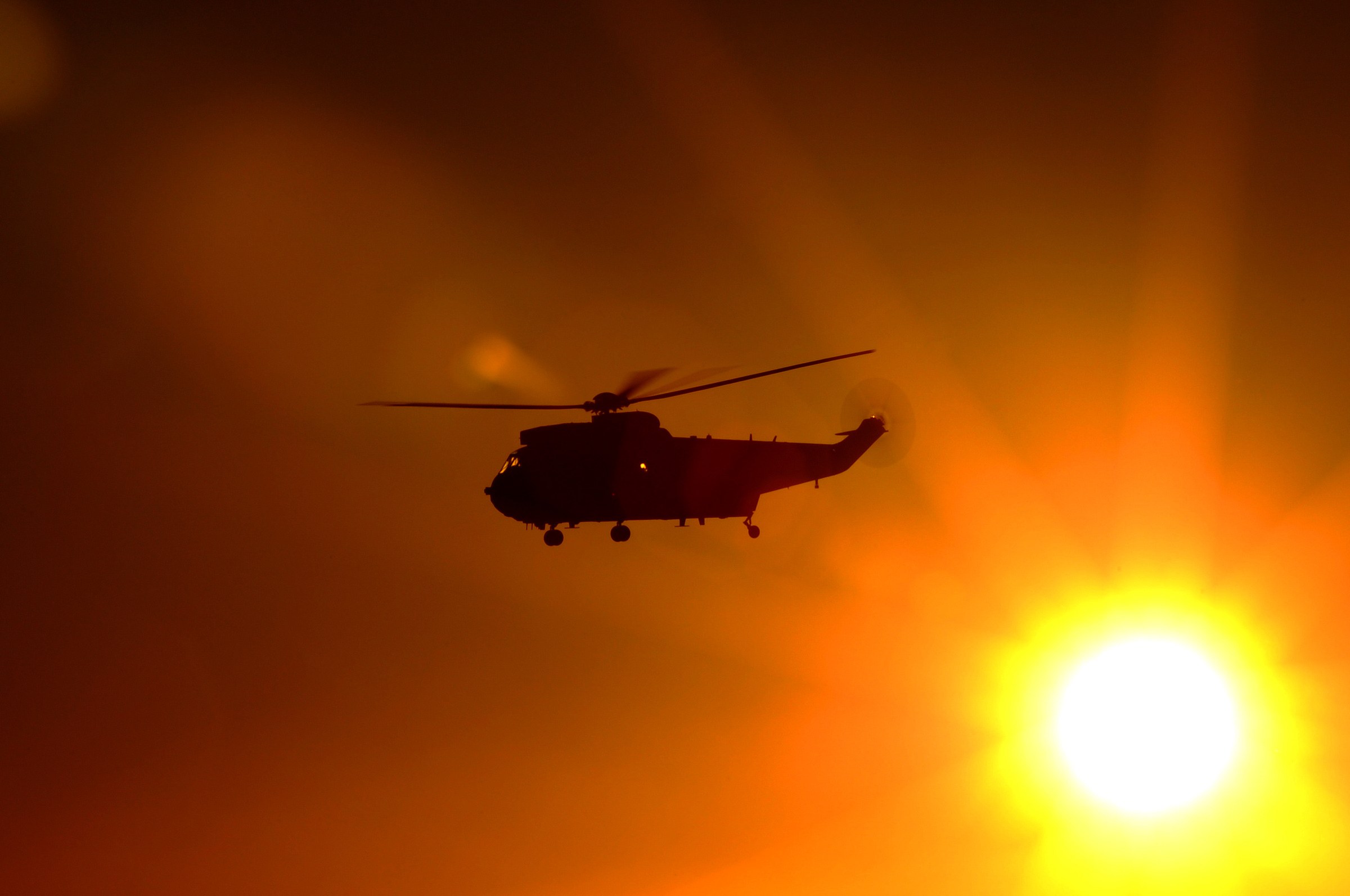
He served as a Sea King helicopter co-pilot, flying:
- anti-submarine and anti-surface warfare patrols;
- Exocet-missile decoy missions — deliberately presenting the helicopter as a target to draw incoming missiles away from the ships;
- casualty evacuation, transport, and search and air rescue.
He witnessed the Argentine attack on the SS Atlantic Conveyor. When Invincible returned to Portsmouth, the Queen and Prince Philip joined the crew families welcoming her home. His squadron commander, Commander Nigel Ward, wrote in his memoir Sea Harrier Over the Falklands that Andrew was “an excellent pilot and a very promising officer.”
Career officer (1983–2001)
- 1983–84: converts to the Lynx helicopter at RNAS Portland; promoted lieutenant (1 February 1984); appointed the Queen’s personal aide-de-camp.
- 1984–86: flight pilot aboard HMS Brazen, including Mediterranean deployment.
- 1986–88: helicopter warfare instructor’s course; helicopter warfare officer, 702 Naval Air Squadron.
- 1988–91: HMS Edinburgh (officer of the watch); flight commander and Lynx pilot, HMS Campbeltown, including NATO’s Standing Naval Force Atlantic.
- 1992: Staff College, Camberley; promoted lieutenant-commander (1 February); passes the ship command examination.
- 1993–94: commands the Hunt-class minehunter HMS Cottesmore — his only seagoing command.
- 1995–96: senior pilot, 815 Naval Air Squadron (then the Fleet Air Arm’s largest flying unit), responsible for flying standards.
- 27 April 1999: promoted Commander.
- 2001: concludes active service at the Ministry of Defence (Diplomatic Directorate of the Naval Staff); retires from the Active List in July.
Honorary rank — and its removal
After retirement he received the customary honorary promotions: captain (2004), rear admiral on his 50th birthday (19 February 2010), and vice-admiral (2015). On 2 November 2025 Defence Secretary John Healey confirmed the vice-admiral rank would be removed on the King’s direction; the process was finalized on 13 December 2025. He retains the South Atlantic Medal with rosette, awarded to all who served in the Falklands conflict — campaign medals are not among the honours rescinded.
Why this chapter matters
Strip away everything after 2011 and the naval record is what remains undisputed: a prince who sought operational service, got it, and was judged competent by the professionals around him. It is also the chapter his later statements kept returning to — the Falklands “adrenaline” explanation in the Newsnight interview being the most scrutinized example. The service itself, however, is verified fact, documented in service records and contemporaneous reporting.
Source notes
- Enlistment, training, postings, promotions and retirement dates: Royal Navy/Royal Household announcements as reflected in the service record.
- The Cabinet’s desk-posting proposal and the Queen’s refusal: historical reporting on the 1982 decision.
- Mission types (ASW, Exocet decoy, CASEVAC, SAR) and the Atlantic Conveyor witness account: the documented service history.
- Ward’s assessment: Commander Nigel Ward, Sea Harrier Over the Falklands (memoir).
- Honorary promotions and the 2025 removal: the 2010/2015 announcements; Defence Secretary John Healey’s confirmation of 2 November 2025; finalization reported 13 December 2025. South Atlantic Medal retention: reported.