Kitchen Nightmares
One week, one failing restaurant, no mercy — the rescue show that won two BAFTAs.
The format
Each episode follows the same arc: Ramsay arrives at a struggling restaurant, eats the food, inspects the kitchen (the walk-in freezer scenes became legend), confronts the owners about what’s gone wrong, and spends a week overhauling the menu, the cooking, and usually the dining room. The relaunch dinner is the climax; a revisit months later is the epilogue — sometimes triumphant, sometimes not.
The UK series (Channel 4, 2004–2009)
The British version ran for four series and is widely considered the stronger of the two: smaller restaurants, more time spent on the actual cooking, and Ramsay often visibly moved by owners’ stories. It won the BAFTA for Best Feature in 2005 and again in 2008 — the most decorated of all his shows.
The US series (Fox, 2007–2014)
The American version ran for seven seasons with bigger restaurants, bigger personalities, and bigger confrontations. Some episodes became cultural events in their own right. The format’s honesty cut both ways: several featured restaurants closed anyway, and the show was criticized for the after-effects of its public shaming.

The legacy
Kitchen Nightmares invented the modern restaurant-rescue genre — every imitator since owes it the structure. It also showed the other Ramsay: the mentor who genuinely wants the place to survive, the cook who can fix a menu in an afternoon. The shouting got the ratings; the relaunches were the point.
Source notes
- UK series Channel 4, 2004–2009; US series Fox, 2007–2014 (seven seasons): production research notes (web research, 2026-09-27).
- BAFTA Best Feature 2005 + 2008 for Ramsay’s Kitchen Nightmares.
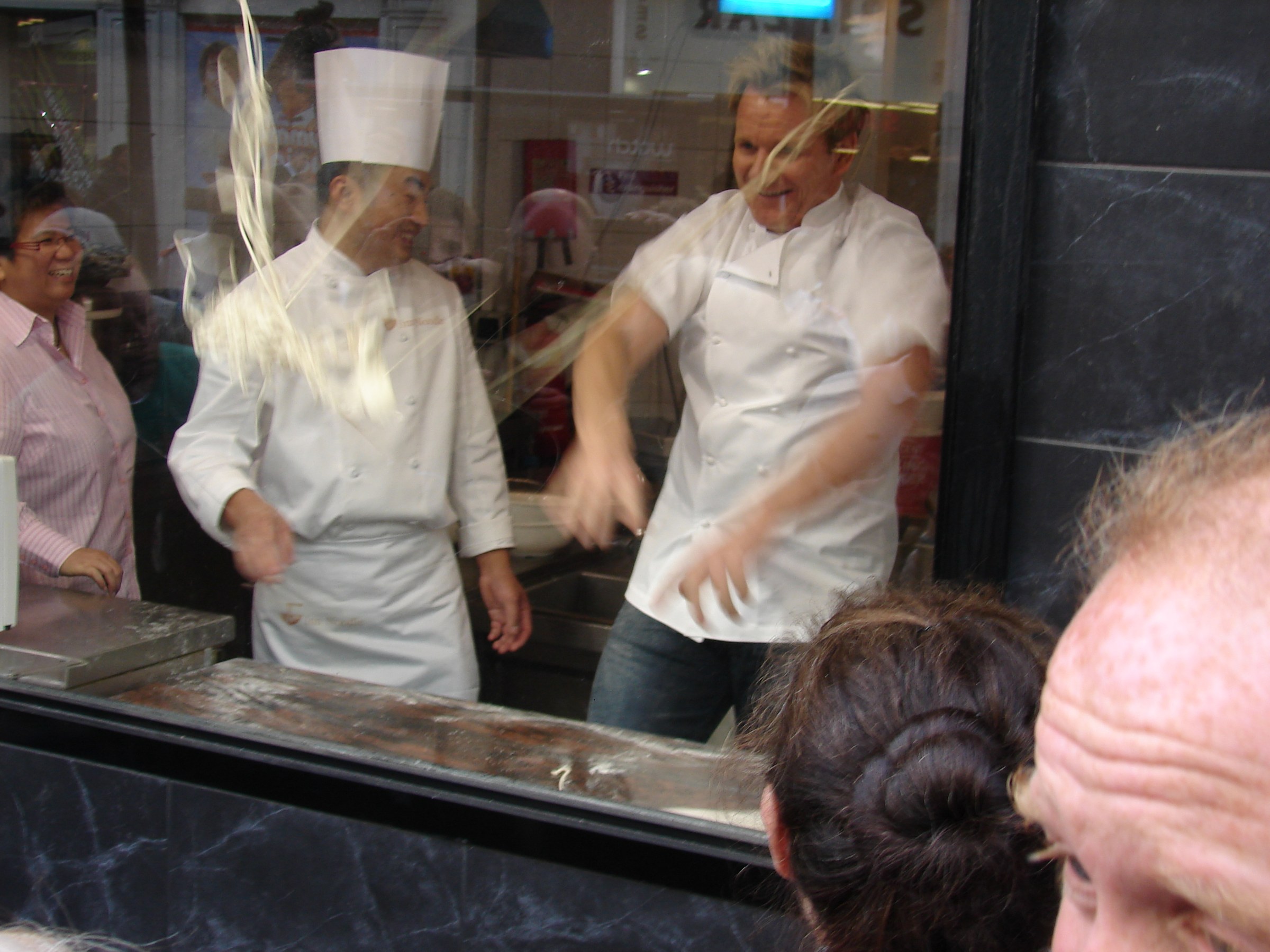
- Brighton photograph: Mark Hillary (CC BY 2.0, Wikimedia Commons); full record in the image credits on this page.