Culinary Style
Classical French technique, British produce, and absolute discipline — what "Ramsay cooking" means on the plate.
The foundation: French technique
Ramsay was formed in the classical French tradition — Harveys, Le Gavroche, three years with Guy Savoy in Paris, time with Joël Robuchon. The result is a cook whose basics are unimpeachable: stocks and sauces built from scratch, precise knife work, fish cooked to the second, pastry with architectural discipline. Whatever the format — three-star tasting menu or burger — the technique underneath is French.
The produce rule
If there is one Ramsay doctrine, it is this: the ingredient comes first. He has campaigned for seasonal British produce for decades — on The F Word, in his books, in the sourcing of his restaurants. The famous anger on television is almost always triggered by the same sin: good ingredients wasted through laziness — frozen where fresh would do, pre-prepared where a cook should have cooked.
The signatures
- Beef Wellington — fillet of beef wrapped in mushroom duxelles and puff pastry: the dish most associated with his name, served across the group and demonstrated endlessly on television.
- Fish cookery — turbot, sea bass, scallops: simply presented, sauced with precision.
- The cheese course — the trolley at the flagship is a statement of intent.
- Tarte Tatin, soufflés, precise pastry — the classical French dessert repertoire, executed without shortcuts.
The pass
Ramsay’s kitchens are run on military lines: the brigade system, the pass as the point of judgment, every plate inspected before it leaves. “Yes, chef” is not theater — it is quality control. The standards that look like tyranny on television are, in the trade, simply what three stars require: consistency, repeated nightly, at volume.
The philosophy, in brief
Cook the ingredient, not the ego. Respect the classics, but don’t be imprisoned by them. A burger deserves the same care as a turbot — the price differs, the standard doesn’t. And never, ever serve something you wouldn’t eat yourself.
Source notes
- Style summary: drawn from the cookbooks (notably Passion for Flavour, 1996, and Makes It Easy, 2005), the F Word campaigns, and the documented standards of Restaurant Gordon Ramsay.
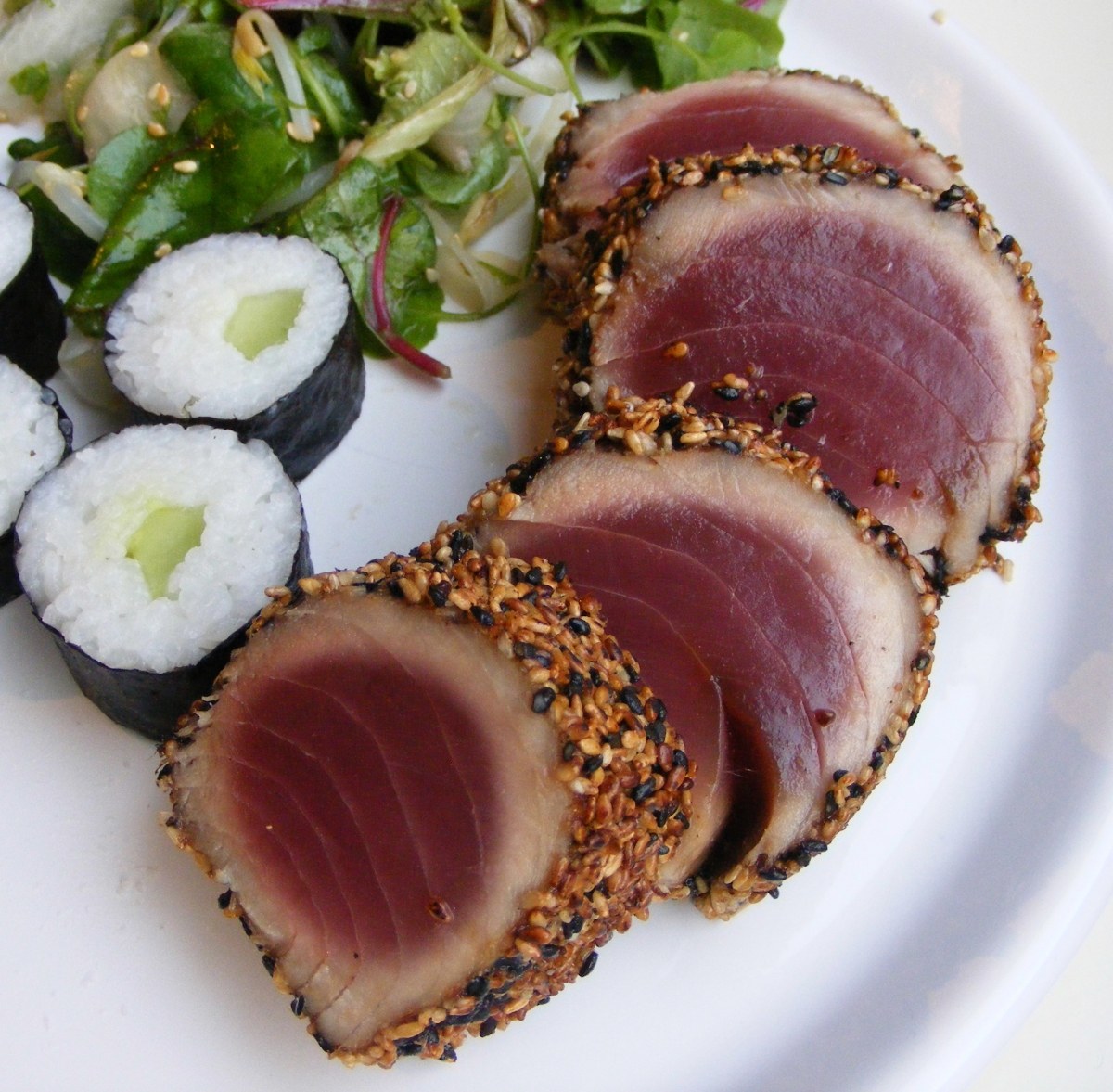
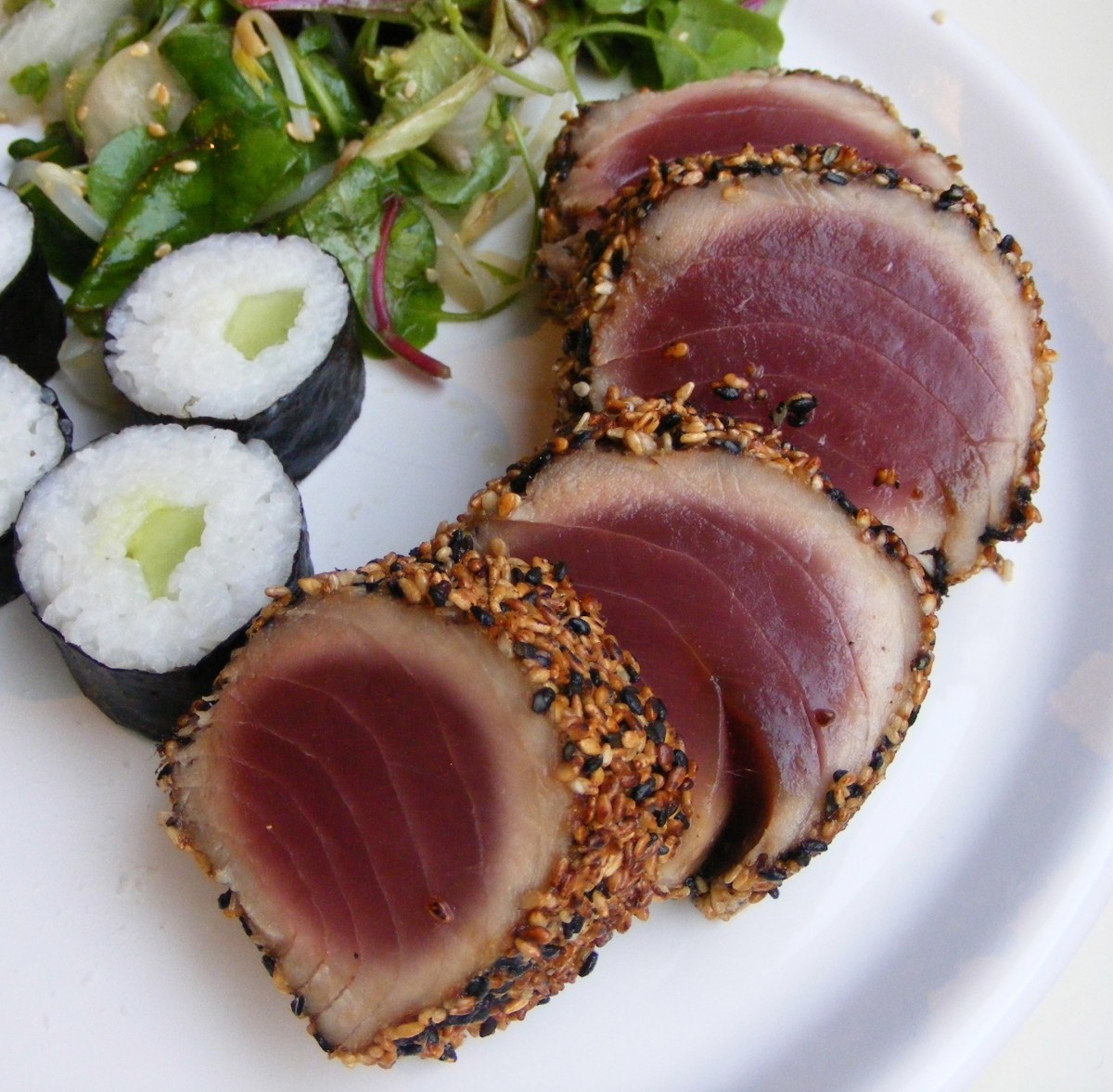
- Sesame tuna photograph: FotoosVanRobin (CC BY-SA 2.0, Wikimedia Commons); full record in the image credits on this page.
- Kitchen terms used here are defined in the culinary glossary.