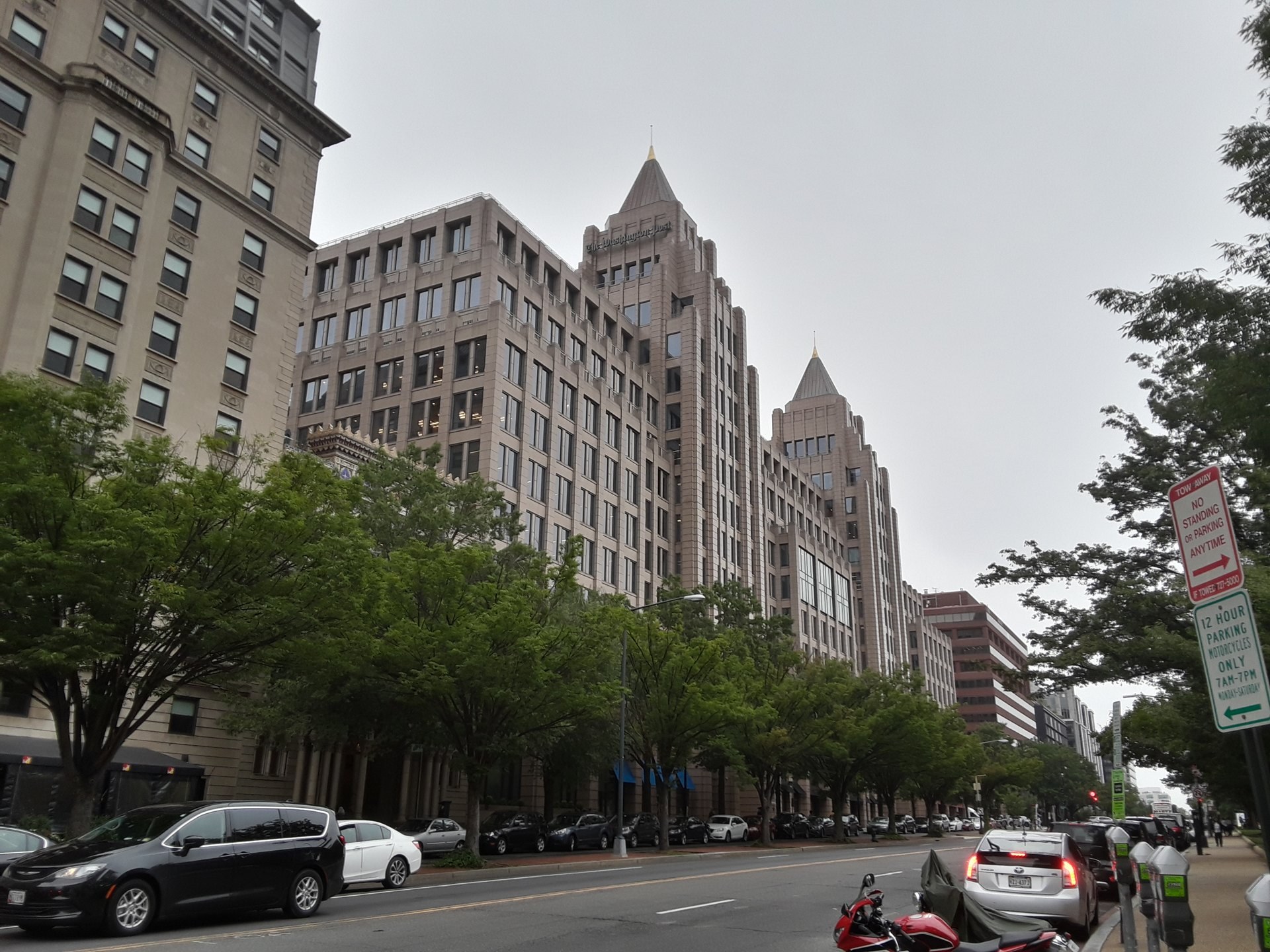
The Washington Post
A $250 million personal purchase that became a case study in digital transformation — and an ongoing test of the owner's promises.
The deal
On 5 August 2013, Bezos announced he would personally buy The Washington Post from the Graham family for $250 million — not through Amazon, but through his private holding company Nash Holdings LLC. The sale closed 1 October 2013, ending the Graham family’s 80-year stewardship. Donald Graham said the family had concluded the Post needed an owner with Bezos’s resources and digital instincts.
Why a newspaper? Bezos’s public answer: the Post was an important institution facing a broken business model, and he believed the internet — which had disrupted it — could also save it. He pledged non-interference in editorial coverage while bringing capital and a builder’s approach to the business side.
The turnaround
Under publisher/CEO Fred Ryan and executive editor Martin Baron, the Post executed a digital-first rebuild:
- Metered paywall and subscription growth (reportedly passing 1M, then 2M+ digital subscribers in the following years).
- A “talent network” and expanded national/international coverage.
- Technology investment — the in-house publishing platform Arc XP, later licensed to other publishers.
By the late 2010s the Post was profitable and growing — widely cited as the counterexample to the narrative that newspapers couldn’t survive the internet.
Harder years
The 2020s brought a tougher stretch: post-Trump-era subscription declines, layoffs (notably early 2023), executive turnover (Baron retired 2021; Ryan departed 2023; Will Lewis became publisher/CEO in 2024), and reported nine-figure annual losses around 2022–2023. In October 2024, the Post’s decision not to endorse a presidential candidate — ending a decades-long practice, days before the election — drew intense criticism, resignations, and subscription cancellations; Bezos publicly defended the decision as a matter of institutional independence and trust. The episode is contested and ongoing; this site reports the events, not a verdict.
The independence question
Bezos’s 2013 pledge — no interference in news coverage — is the standard against which his ownership is judged:
- For the record: there is no documented case of Bezos dictating or spiking Post coverage of Amazon, Blue Origin, or himself; the Post has published critical reporting on Amazon’s labor practices and on Bezos.
- The structural critique: critics argue ownership itself creates soft pressure — story selection, resource allocation, the 2024 non-endorsement — that no pledge can fully dispel. This is an argument about incentives, and it is presented as such, not as a finding.
Source notes
- Purchase ($250M, Nash Holdings, announced 5 Aug 2013, closed 1 Oct 2013; Graham family 80-year ownership): contemporaneous reporting.
- Non-interference pledge and digital-transformation rationale: Bezos’s public statements at the time of purchase.
- Subscription/profitability milestones, Arc XP, leadership (Ryan, Baron, Lewis): Post and trade-press reporting, dated on the relevant pages.
- Layoffs (2023), losses, 2024 non-endorsement decision and fallout, Bezos’s public defense: contemporaneous reporting; interpretations labeled as interpretations.
Limitations
- The Post’s internal finances are private; subscriber and profit figures come from company statements and reporting.
- The 2024 endorsement episode and its meaning are contested; this page reports verifiable events and attributes the arguments.