Blue Origin
The company Bezos calls his most important work — two decades of step-by-step rocketry, from a Texas ranch to orbit.
The founding (2000)
Bezos founded Blue Origin in 2000 — before the dot-com crash had finished, and largely in secret. The motivation, as he has told it repeatedly: a childhood fascination with space (he was five when Apollo 11 landed) hardened into a conviction that Earth’s dynamism is capped unless heavy industry moves off-planet, enabled by dramatically cheaper access to space. The company motto: Gradatim Ferociter — “step by step, ferociously.”
For its first decade and a half, Blue Origin was famously secretive, operating from Kent, Washington, and a West Texas launch site near Van Horn. Bezos funded it personally — later describing the pace as roughly $1 billion a year from Amazon stock sales.
New Shepard: the suborbital workhorse
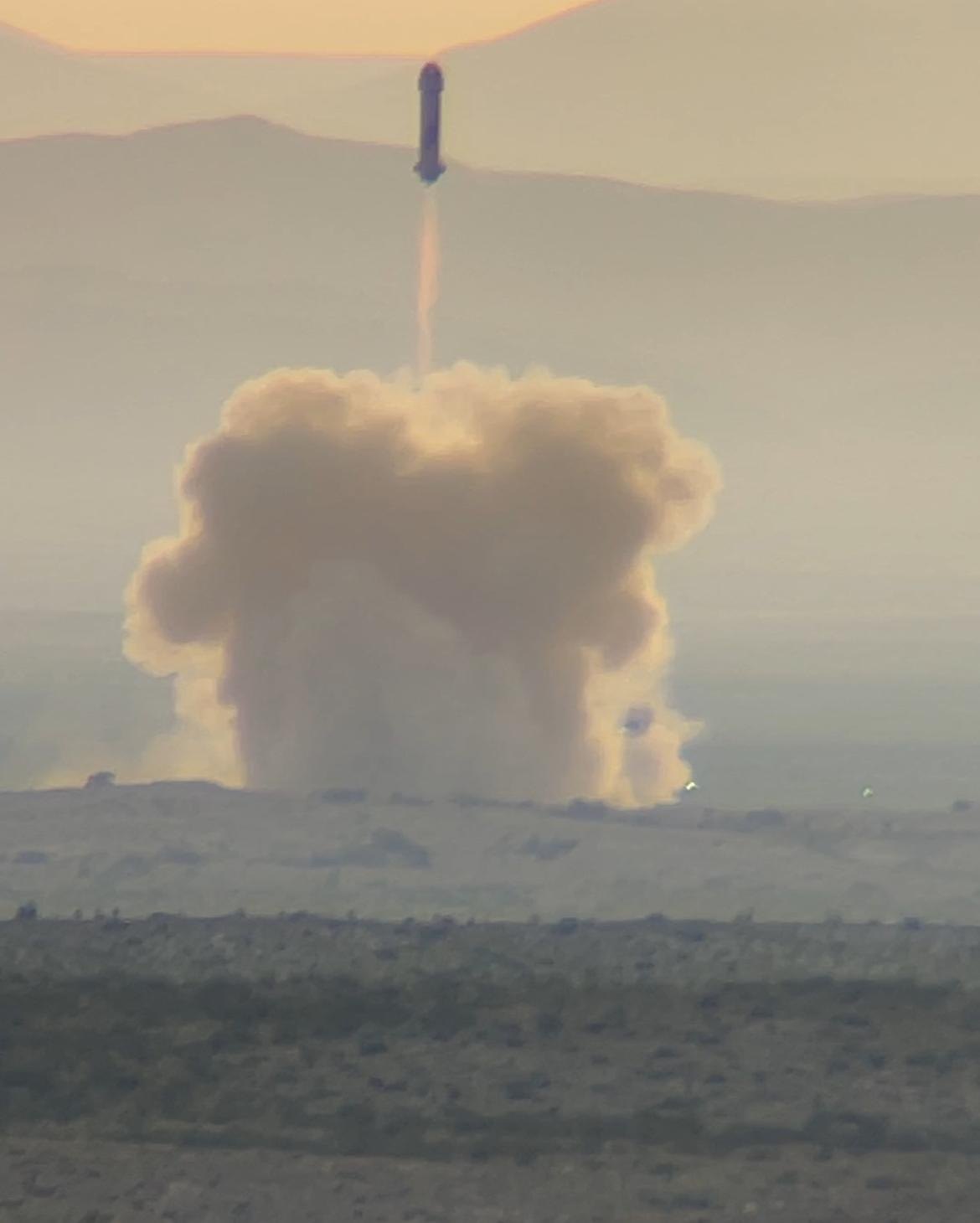
New Shepard — named for Alan Shepard, the first American in space — is a fully reusable suborbital system: a booster and a crew capsule, designed for ~11-minute flights past the Kármán line (100 km) for research payloads and space tourists.
- 23 November 2015: the New Shepard booster lands propulsively after a suborbital flight — the first vertical landing of a rocket that had been to space (Blue Origin’s framing; SpaceX notes its own orbital-class landings came later and differ in kind — the dispute is noted, the dates are facts).
- The vehicle went on to fly repeatedly with the same hardware, demonstrating reusability.
20 July 2021: Bezos flies
On the 52nd anniversary of Apollo 11, Blue Origin flew its first crewed mission: Bezos, his brother Mark Bezos, 82-year-old aviator Wally Funk (a Mercury 13 veteran who had waited six decades), and 18-year-old Oliver Daemen (whose father bought the seat after the auction winner deferred). The flight lasted about 11 minutes, crossing the Kármán line; Funk became the oldest person in space, Daemen the youngest — both records at the time.
New Glenn: the orbital rocket
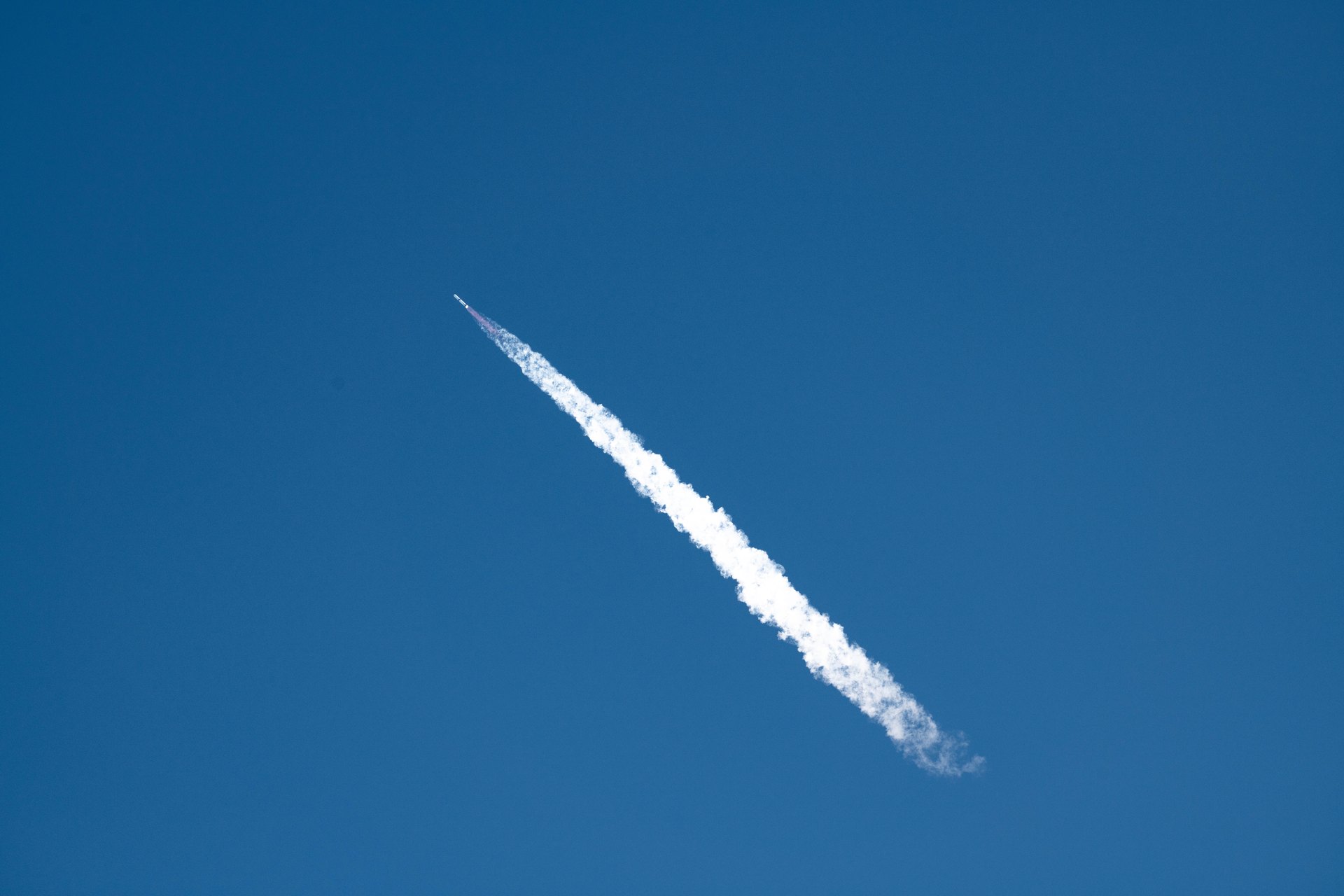
New Glenn — named for John Glenn — is Blue Origin’s heavy-lift orbital rocket, with a reusable first stage designed to land on a ship. After years of delays, its first successful launch came on 16 January 2025 from Cape Canaveral (the booster landing was not recovered on that attempt). A second flight followed later in 2025.
Blue Moon and the Moon
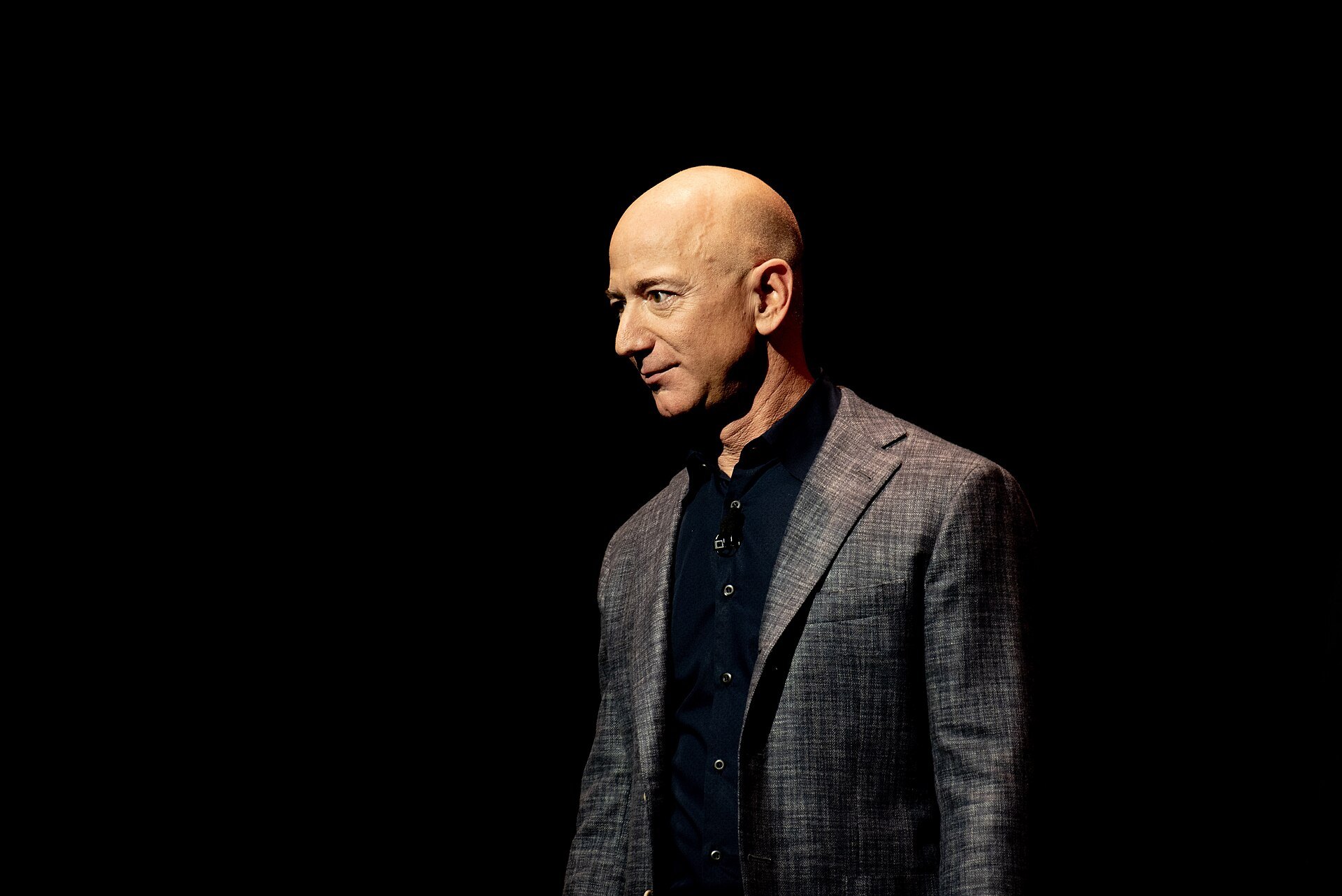
In May 2019 Bezos unveiled the Blue Moon lunar lander design at a Washington, D.C. event, pitching Blue Origin for NASA’s return-to-the-Moon programs. In 2021, after NASA awarded the Human Landing System (HLS) contract to SpaceX alone, Blue Origin sued — first via the GAO, then in federal court — and lost; NASA later awarded Blue Origin a second HLS contract (Sustaining Lunar Development, May 2023, ~$3.4B) for its own lander.
The long vision: O’Neill cylinders
Bezos’s stated endgame isn’t Mars (he’s explicit about the contrast with SpaceX): it’s Gerard O’Neill’s vision of giant rotating space habitats — millions of people living and working in space, with Earth zoned residential and light industry moved off-planet. Whether on the century timescale he invokes, it’s an engineering program, not a prophecy; this site reports the statements, not the odds.
The rivalry
Blue Origin vs. SpaceX is the defining commercial-space rivalry: patent fights (the 2014 barge-landing patent challenge), the HLS lawsuit, dueling social-media posts between Bezos and Elon Musk, and fundamentally different architectures (reusable suborbital tourism and orbital heavy lift vs. fully reusable super-heavy). The competition is real; the rhetoric is labeled as rhetoric on the deep-dive page.
Source notes
- Founding (2000), secrecy, Kent/Van Horn sites, ~$1B/year funding pace, Apollo-11-at-five account, O’Neill vision: Bezos interviews and Blue Origin statements; see blue-origin-vs-spacex.md.
- New Shepard landing (23 Nov 2015): Blue Origin; the “first” framing dispute is noted with both companies’ positions.
- Crewed flight (20 July 2021, crew, ~11 min, Kármán line, Funk/Daemen age records): contemporaneous reporting and Blue Origin.
- New Glenn first launch (16 Jan 2025): contemporaneous reporting; booster not recovered on that flight.
- Blue Moon unveiling (May 2019, Washington DC): event reporting. HLS award to SpaceX (April 2021), Blue Origin protests/lawsuit and loss (2021), SLD award to Blue Origin (May 2023, ~$3.4B): NASA and court records as reported.
- Gradatim Ferociter: Blue Origin’s published motto (Latin: “step by step, ferociously”).
Limitations
- Blue Origin is private; financial and technical details come from company statements and reporting, not audited filings.
- The SpaceX rivalry involves contested claims; see blue-origin-vs-spacex.md and mythology-vs-record.md for flagged disputes.