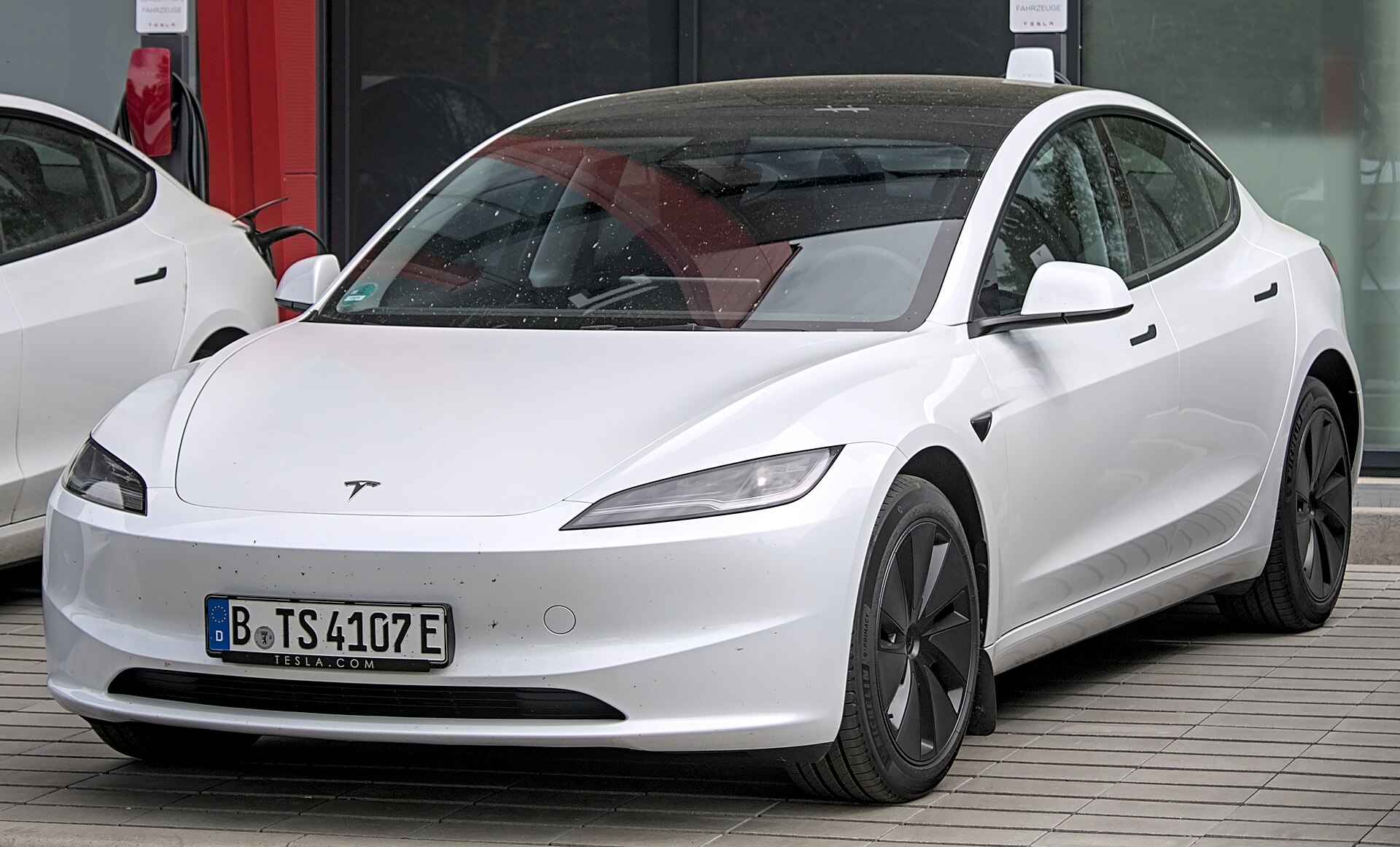
DEEP DIVE 02 · GROUND TRANSPORT
The EV Revolution
Nobody bought electric cars because they had to. Tesla made them buy because they wanted to.
The strategy
The 2006 Master Plan said it plainly: build a sports car, use the money to build an affordable car, use that money to build an even more affordable car. The Roadster (2008) was the proof of concept; the Model S (2012) was the proof of desirability; the Model 3 (2017) was the scale bet.
The execution
- Roadster (2008–2012): ~2,450 built. Proved a battery car could be fast and fun.
- Model S (2012): Motor Trend Car of the Year (2013); the car that made Tesla a real automaker.
- Model X (2015): Falcon-wing doors, delays, lessons.
- Model 3 (2017): “Production hell” — Musk has said Tesla was weeks from death in 2018. The tent assembly line at Fremont became legend.
- Model Y (2020): Became one of the world’s best-selling vehicles of any powertrain.
- Cybertruck (2023): The polarizing stainless wedge; the 2019 unveil’s broken “armored glass” remains the most-watched car launch ever.
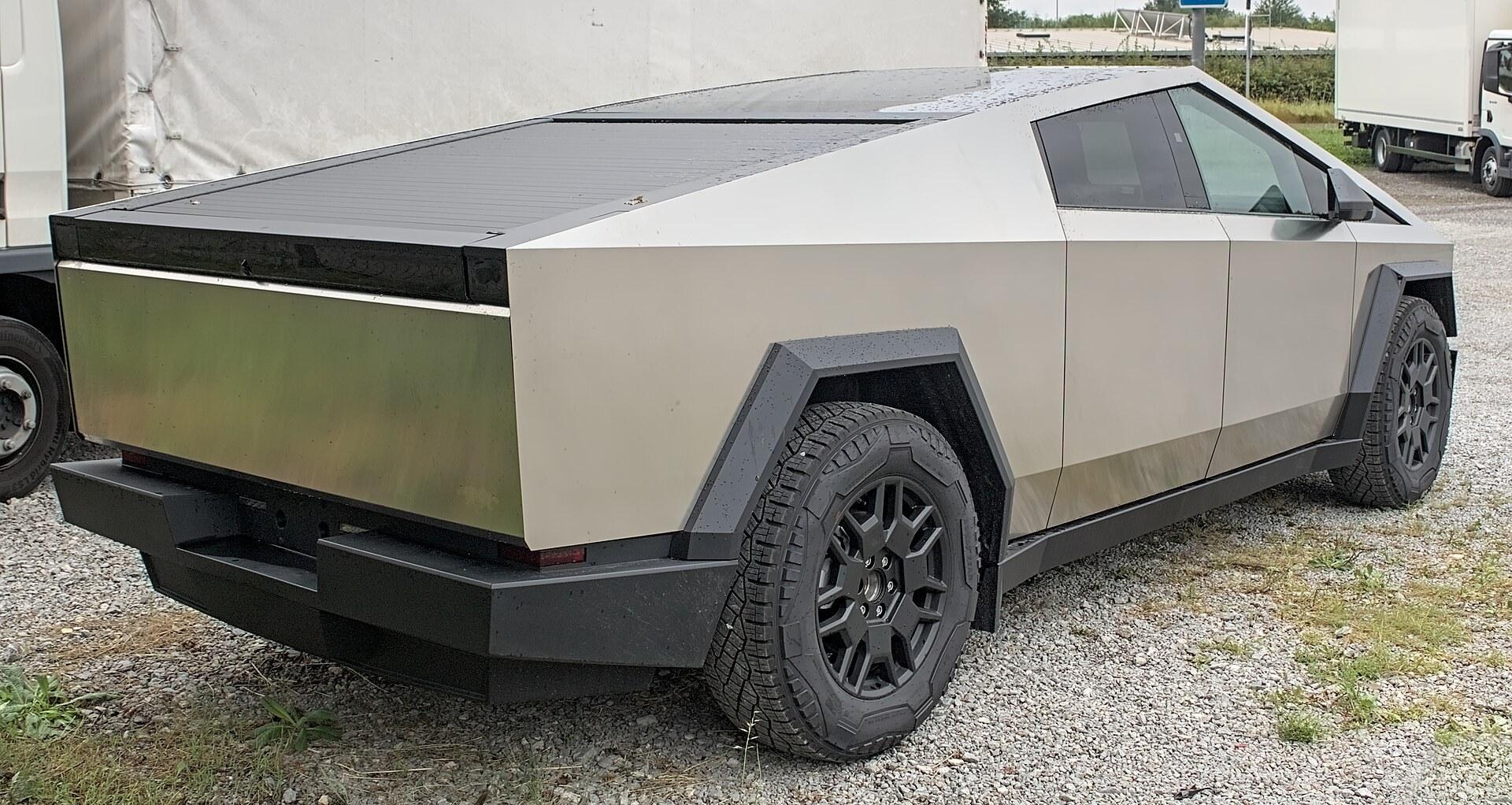
The infrastructure moat
Tesla built the Supercharger network (from 2012) when no one else would — solving range anxiety with concrete. In 2023–2024, nearly every major automaker adopted Tesla’s NACS charging standard, a quiet industry-wide concession.
The forced electrification
The record is clear: after the Model S and especially the Model 3, every major automaker announced EV lineups and phase-out dates for combustion engines. Whether you credit Tesla or regulation, the timeline bends at 2012.
Source notes
Vehicle history and production figures from Tesla filings and announcements; “production hell” and near-death accounts from Musk’s interviews (2018). See sources.