Obsidian Vault and the Security Gospel
"We built a safe we cannot open, and we charge you for the discipline." The fictional security philosophy, examined.
Fictional company Fictional products
The pitch (fictional)
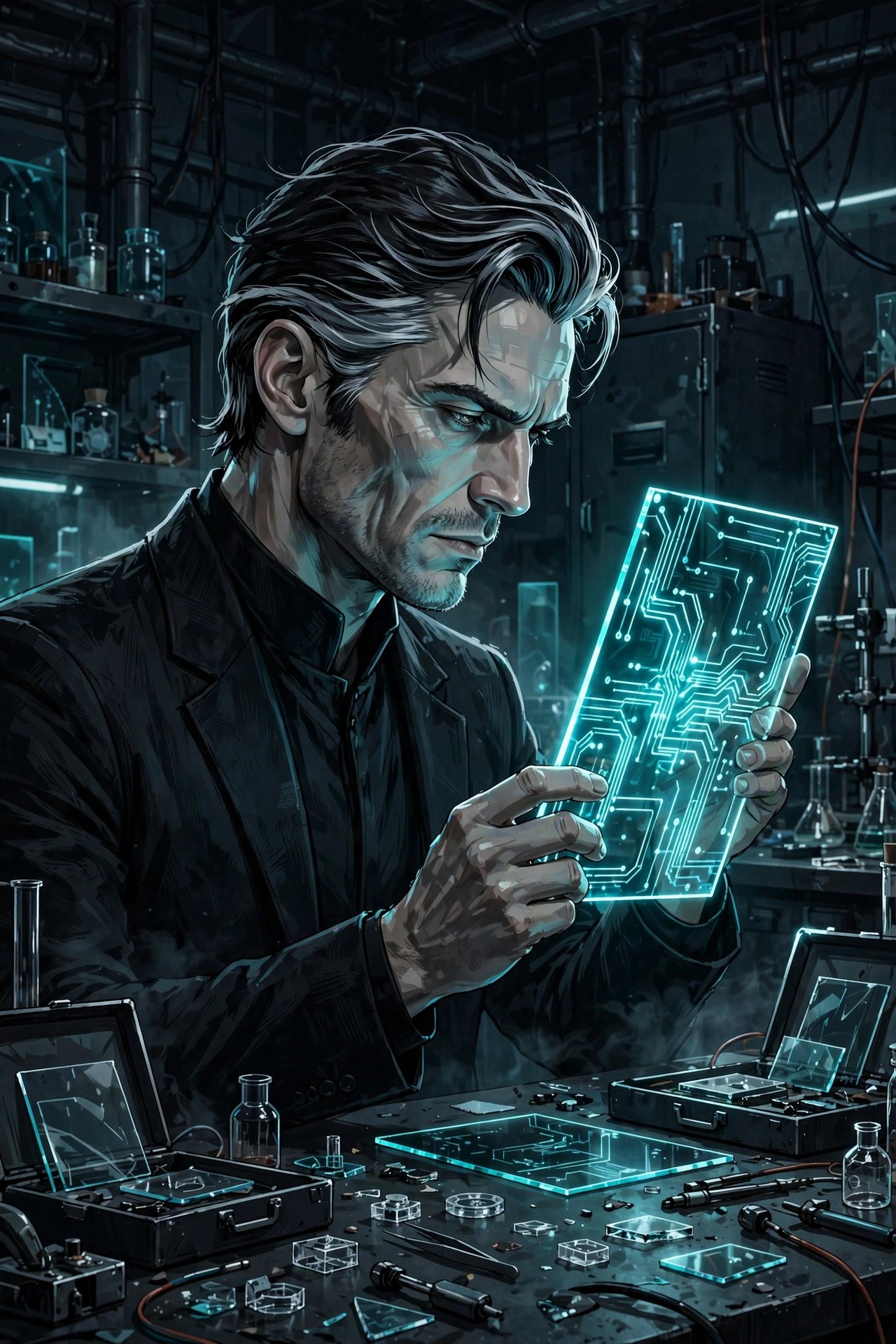
The fictional Obsidian Vault (2017) is data custody for the paranoid, sold to the powerful: client data sealed in cryptographic glass that — the fiction claims — even Nightglass cannot see through. The launch line, in character: “We built a safe we cannot open, and we charge you for the discipline.” The dossier notes the sentence sells two things at once: the product’s strength and the customer’s virtue in buying it.
The gospel (fictional)
The Vault ships with a philosophy, because everything at Nightglass does. Its three articles, in the fiction: (1) the custodian must be unable, not merely unwilling, to look; (2) every access leaves a mark on the glass — audit as architecture; (3) the customer holds the only key, which means the customer holds the only blame. The fiction’s security press admires article 1, fears article 2, and quietly notes that article 3 is the entire business model wearing a halo.
The contradiction (fictional)
Here is the dossier’s objection, stated inside the fiction: a company whose Doctrine is the glass remembers everything selling a product whose promise is the glass remembers nothing about you. Wren’s in-character reconciliation: “The glass remembers everything. I just taught it to whisper — and the whisper is yours.” The dossier grades this as rhetoric, not resolution, and keeps it anyway: the contradiction is the most honest thing about the product.
The clientele (fictional)
In the fiction, the Vault’s customers are the people with the most to hide and the most to lose: fictional banks, fictional governments, fictional celebrities. The dossier declines to invent client names — a rare restraint, explained in methodology: invented clients would imply real-world parallels the fiction doesn’t need.
Source notes
- Obsidian Vault is a fictional product; this analysis was written in-house for this dossier (2026-09-26). No real security product is described.
- In-character quotations are written for the fictional persona and labeled as such.
- See methodology and sources.