Early Life
A dentist's son in Dobbs Ferry who got a computer early, a tutor, and a famous stubbornness — then four formative years at Phillips Exeter.
Dobbs Ferry
Mark Zuckerberg grew up in Dobbs Ferry, a village in Westchester County, New York, the only son among four children. His father Edward ran a dental practice; his mother Karen worked as a psychiatrist. By family accounts, Edward introduced Mark to computers early and, recognizing the boy’s aptitude, hired a professional programmer to tutor him.
The best-documented childhood project is “ZuckNet” — a messaging system Zuckerberg built as a young teenager that connected the computers in the family home with his father’s dental office, letting staff signal each other. It was, in miniature, a local social network: presence, messages, a defined community. Biographers treat it as the first visible instance of the pattern his career would follow — building communication tools for a defined group, then expanding the group.
A competitive streak
Accounts from childhood friends and family describe an intensely competitive, stubborn kid: board games, schoolwork, and later, fencing. Zuckerberg has spoken about the way competition structured his thinking — winning mattered, and losing stung enough to fuel the next attempt. That temperament, supporters say, explains the iteration speed of the early Facebook years; critics say it explains the company’s appetite for confrontation.
Phillips Exeter Academy
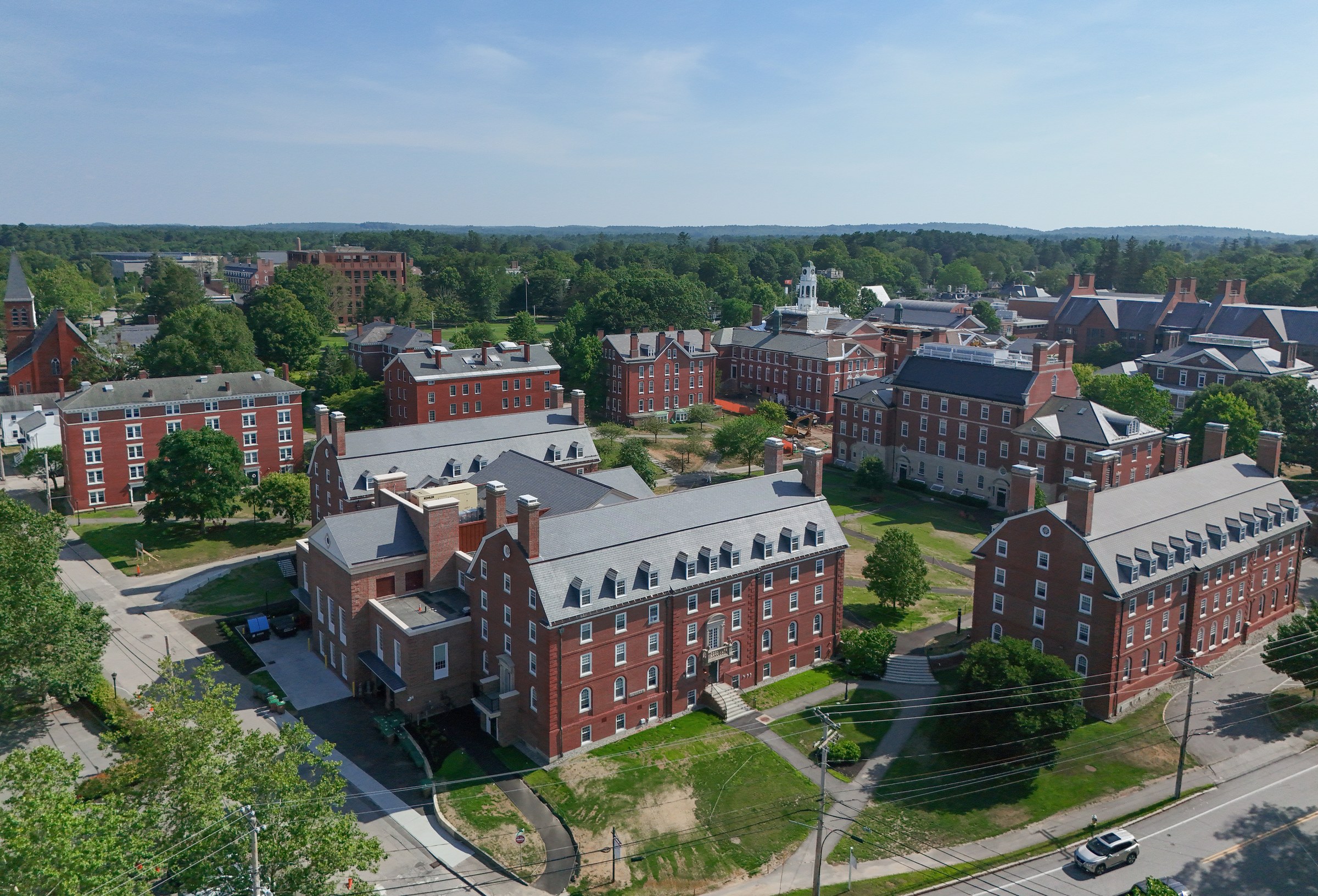
Zuckerberg attended Phillips Exeter Academy in Exeter, New Hampshire, one of the oldest and most academically demanding boarding schools in the United States, graduating in 2002. Exeter’s Harkness method — seminar-style classes around oval tables — rewarded exactly the kind of argumentative, systems-oriented thinking Zuckerberg brought to programming.
Two threads from Exeter matter for the rest of the story:
- Classics and science together. He studied Latin and read deeply in classical literature while competing in science and math. Friends from the period describe someone equally comfortable with grammar and with code — a combination that later showed up in his unusually rhetorical founder statements and his engineer’s approach to company-building.
- Synapse. With a friend, he built a music-recommendation program called Synapse that learned listeners’ tastes. According to reporting at the time, it attracted interest from companies including AOL and Microsoft. Zuckerberg turned the interest down and posted the program for free. The episode is often cited as the first time he chose building over selling — a choice he would repeat, at vastly larger stakes, with Yahoo’s reported $1 billion offer for Facebook in 2006.
What the record doesn’t show
Childhood accounts of public figures are unusually prone to retroactive mythmaking — every anecdote gets recruited as an origin story. The ZuckNet and Synapse episodes are the best-attested; other childhood details circulate mainly through family interviews and should be read as family memory, not sworn testimony.
Source notes
- School record and graduation: widely reported biographical fact; Exeter attendance confirmed in multiple profiles.
- ZuckNet and Synapse: Kirkpatrick (2010) and contemporaneous reporting (e.g., 2004–2006 profiles).
- The Yahoo 2006 offer figure is reported, not confirmed by either party; treated as reported in myth vs. record.